Engineered to withstand the coastal Mediterranean climate, our leading processing glass products combine architectural aesthetics with superior thermal performance.
The urban landscape of Algiers is undergoing an unprecedented modernization process. From the high-end residential quarters in Sidi Yahia and Hydra to the sprawling commercial zones in Bab Ezzouar, contemporary Algerian architecture is transitioning from traditional concrete-heavy designs to light-filled, energy-efficient structures. Processing glass has emerged as a critical material in this transformation, driving both residential remodeling and commercial building booms.
However, the Algiers market presents distinct geographic and atmospheric challenges. Located on the Mediterranean coast, structures in Algiers are subject to high salinity, coastal humidity, and intense summer solar heat. Standard glass solutions often fail under these conditions, leading to thermal stress fractures, moisture ingress, or rapid structural degradation. Local developers now demand high-spec processed glass—such as double-glazed tempered units and laminated safety glass—to meet both functional and aesthetic requirements.
Furthermore, Algeria's regulatory focus on energy efficiency (under the APRUE initiatives) is reshaping procurement strategies. Architects are looking for processing glass suppliers who can deliver low-emissivity (low-E) coatings and insulated glass units that reduce cooling loads in summer while maintaining internal warmth during chilly winter sea breezes.
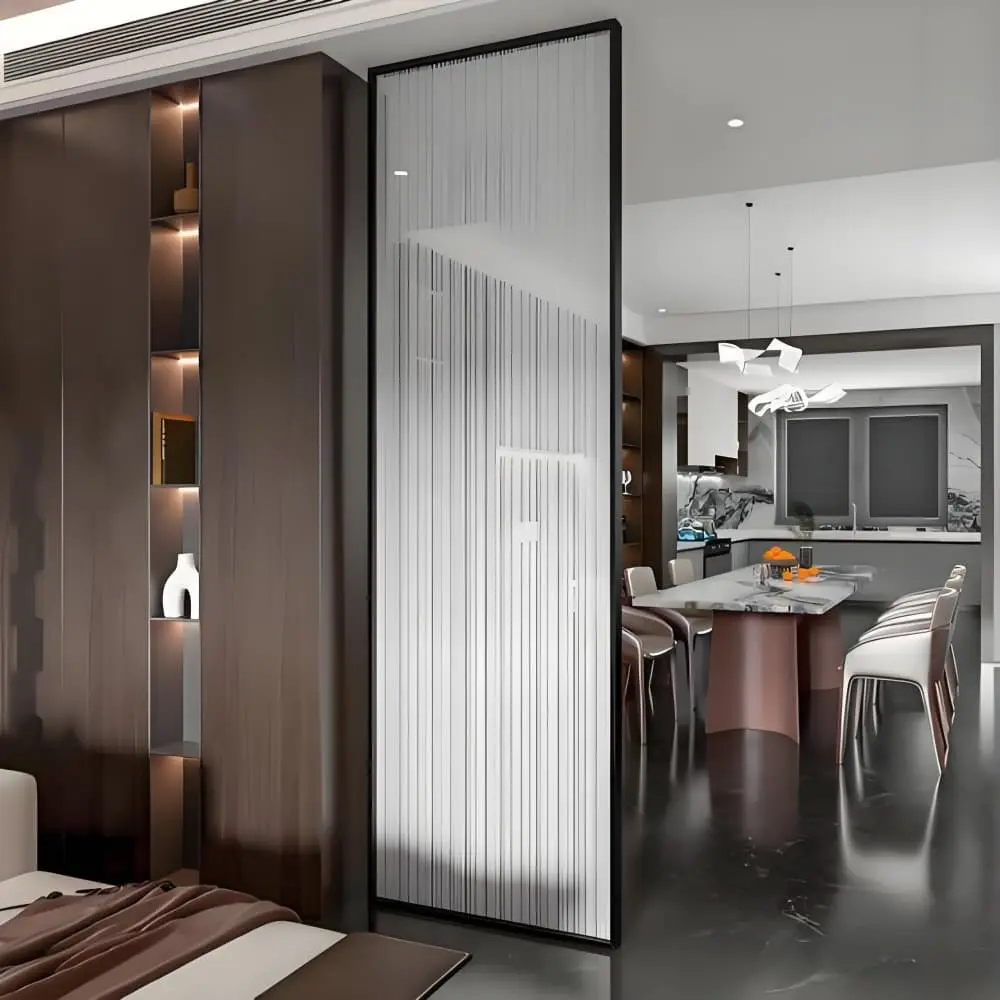
Globally, the processed glass market is characterized by rapid technological integration. From automatic CNC cutting lines to digital ceramic printing and intelligent smart glass applications, advanced glass fabrication is no longer just about cutting and tempering. It is about creating multifunctional materials that act as thermal barriers, safety shields, and active digital displays. The integration of polymer dispersed liquid crystal (PDLC) layers to create switchable smart glass is one such innovation gaining traction in high-end projects worldwide.
For the Algiers market to capture these global advancements, reliable import and logistics channels must exist. Since local Algerian glass manufacturing is still developing its high-end fabrication capabilities, local contractors rely on partnerships with advanced global fabricators. Companies like Suzhou Jiaerbe Glass Co., Ltd. bridge this gap by offering advanced Chinese processing technologies—such as laser internal engraving, custom enamel screen printing, and structural lamination—directly to the Algiers market. With over 20 years of experience, we adapt global technical specifications to the precise construction needs of Algerian building contractors, guaranteeing compliance with European (EN) and Mediterranean structural standards.
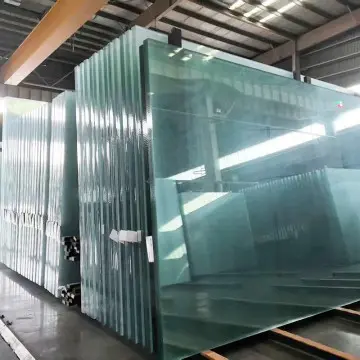
Laminated and tempered glass panels engineered to resist high wind loads and physical impacts in coastal urban zones.
Multi-layer insulating units designed to filter out dense city noise, ideal for residential zones along the Algiers bypass.
Low-E glass structures designed to block solar infrared heat while allowing maximum natural illumination into living spaces.
Our operations span multiple continents, bringing certified processing glass directly to major construction sites in Algiers.
Decorating and building in Algiers requires materials that successfully negotiate the intersection between traditional heritage and cutting-edge performance. Our processing glass range provides exactly this balance through the following macro solutions:
In modern corporate offices and upscale villas in Algiers, privacy management is essential. Custom switchable glass utilizes liquid crystal technology to transform from transparent to opaque with the flick of a switch. This is perfect for conference rooms in Hydra and partition walls in coastal residential properties, maintaining light flow while providing instantaneous privacy control.
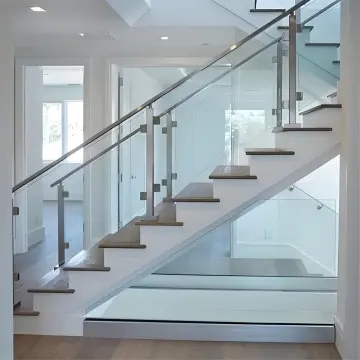
For buildings situated along the hills of Algiers, maximizing panoramic views of the bay is key. Frameless structural glass balustrades made of laminated safety glass offer uninterrupted sightlines while providing high-impact protection. In the event of fracture, the PVB/SGP interlayer keeps the glass shards bonded together, eliminating falling glass hazards.
To honor the architectural aesthetics of Algeria, modern interiors frequently merge geometric Moorish patterns with minimalist clean lines. Ceramic digital printing technologies allow us to print custom patterns directly onto the glass. The printed patterns are fused into the glass during the tempering process, making them UV-resistant, scratch-proof, and impervious to coastal humidity.
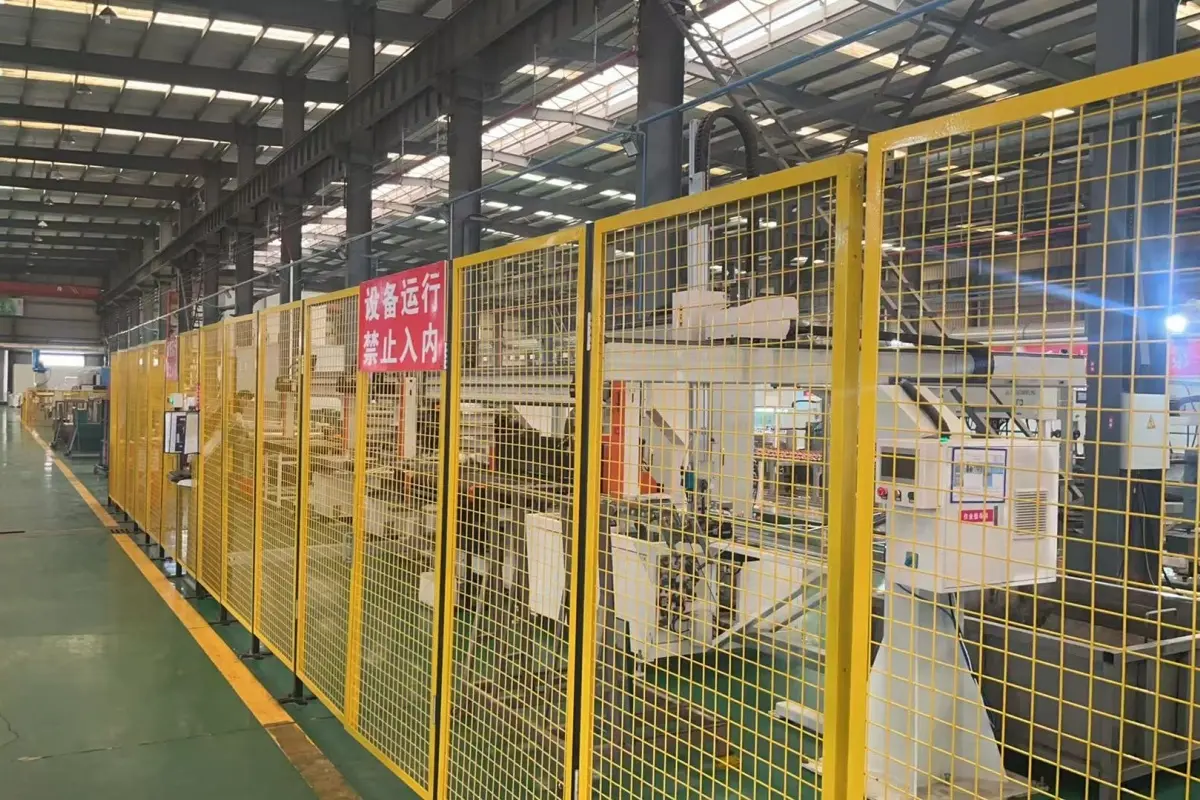
Overseas shipping of heavy processed glass requires meticulously managed packaging and shipping routes. All products exported to Algiers undergo strict protective measures. We utilize high-rigidity A-frame wooden crates containing anti-humidity desiccants to protect the glass sheets against seawater air corrosion during transit through the Mediterranean.
We provide full customs compliance document packs, including Certificate of Conformity (CoC), EUR.1 movement certificates, and detailed packing list specifications to guarantee seamless custom clearance at the Port of Algiers. This thorough approach minimizes structural delay times and ensures projects run on schedule.
Additionally, our engineering department provides local developers with detailed technical datasheets, CAD processing specifications, and installation guidelines. This ensures that when the glass arriving in Algiers is unpacked, it is fitted with maximum precision by local construction teams.
As Algiers moves towards smart city initiatives, architectural glass will transform from a passive building envelope component to an active energy-generating system. The integration of Photovoltaic Glass (BIPV) is one of the most anticipated technological trends. These advanced glass units integrate solar cells directly into building facades or canopy systems, enabling large-scale commercial buildings in Bab Ezzouar to generate electricity directly from their vertical surfaces.
Moreover, the adoption of self-cleaning glass technologies is gaining momentum. Using a microscopic titanium dioxide coating, these glass panels utilize solar UV rays to break down organic dirt, which is then washed away by rain. Given the dry, dusty conditions during Algeria's summer months, this self-cleaning capacity significantly reduces building maintenance costs while keeping the city's modern facades clean and polished.
Our complete collection of processed glass solutions for residential, commercial, and structural applications across Algiers.
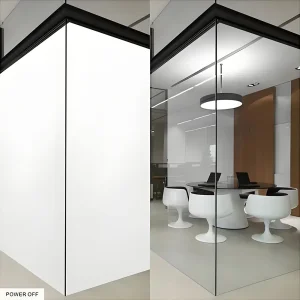
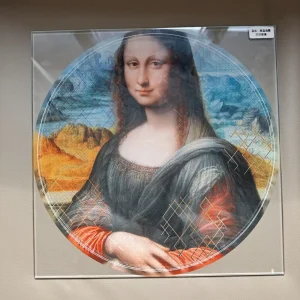
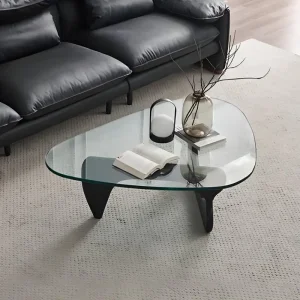
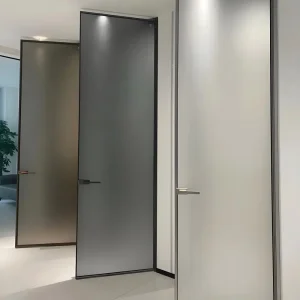
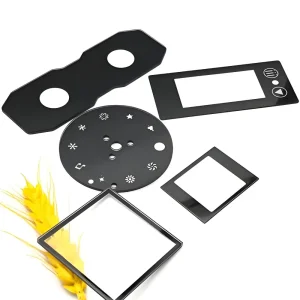
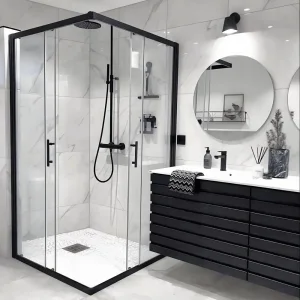
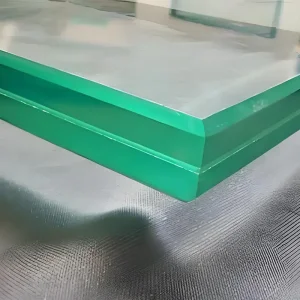
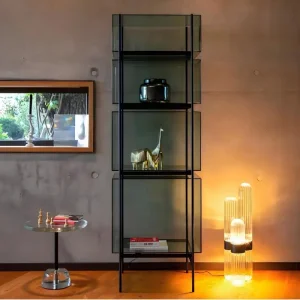
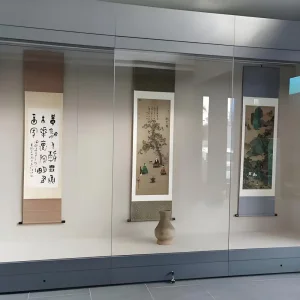
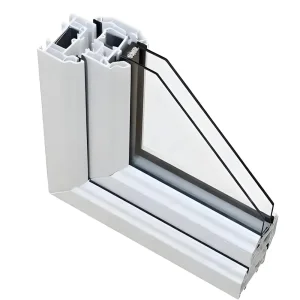
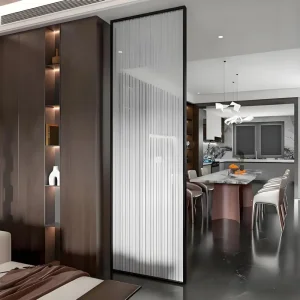
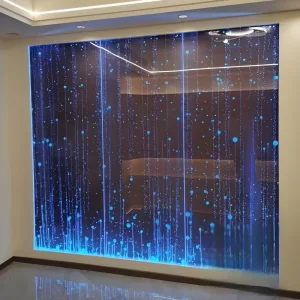
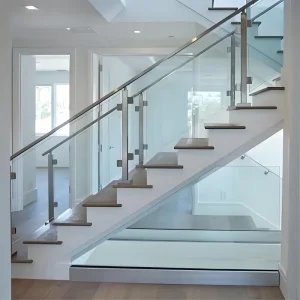
Choose the correct processed glass category tailored to your structural load and interior design projects in Algiers.
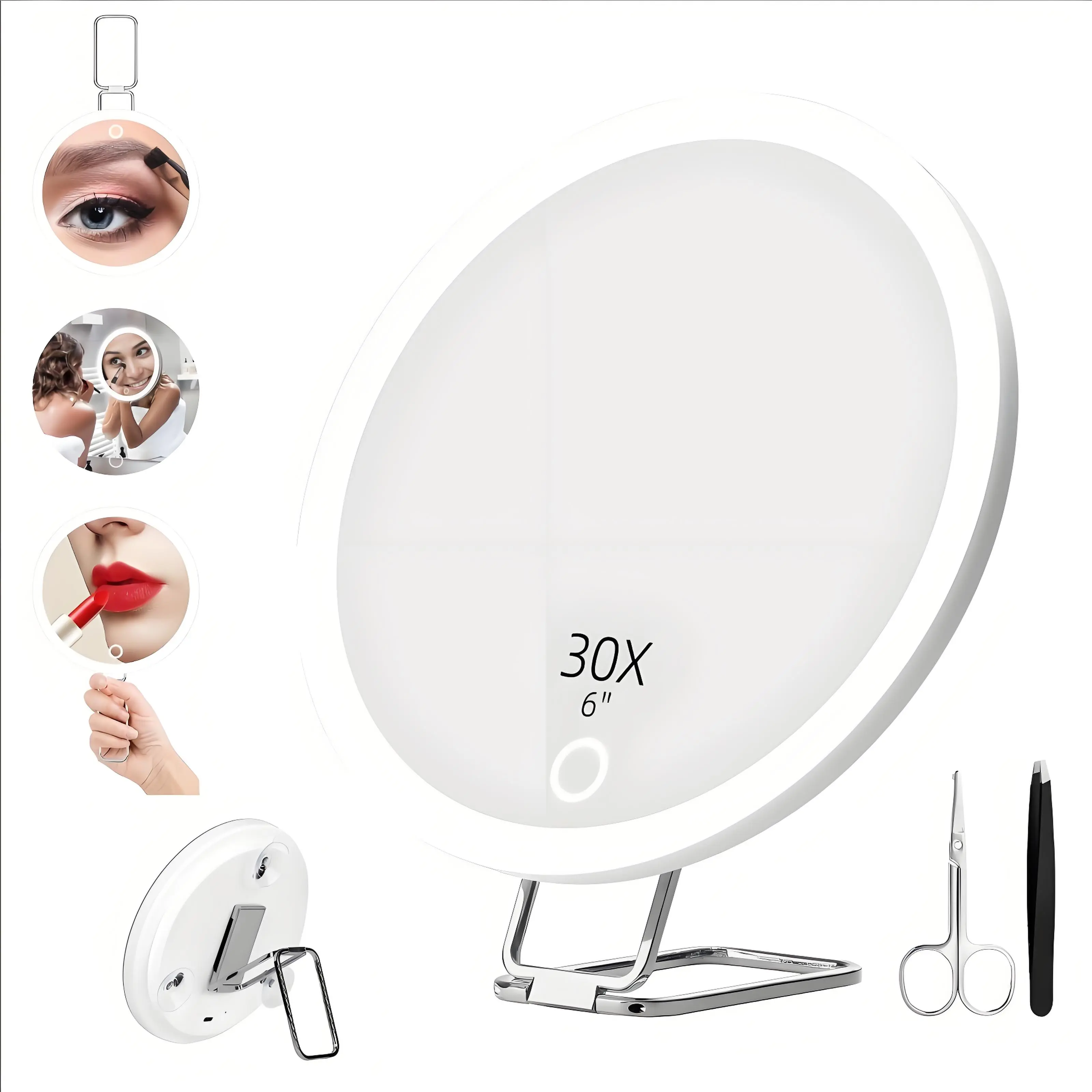
A full spectrum of raw sheets and advanced processed glass units tailored to custom interior requirements.
Explore Category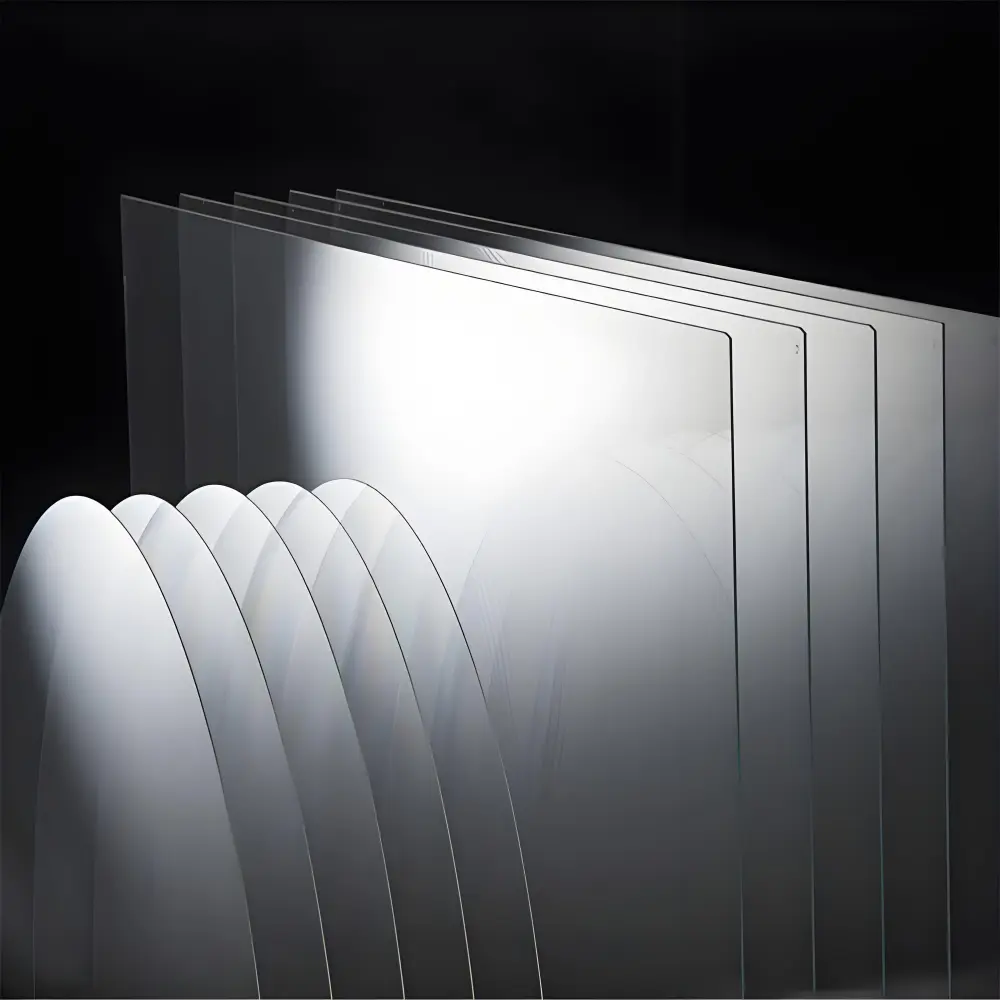
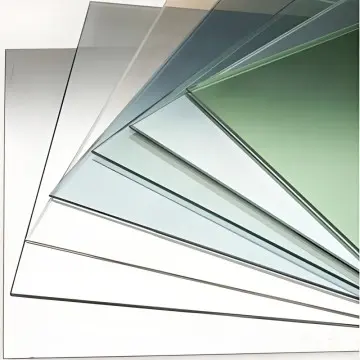
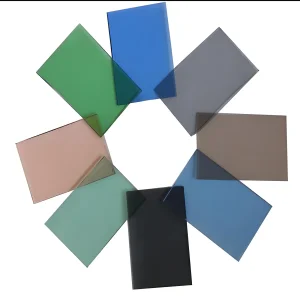
High-transmission float glass, ultra-clear sheet glass, and tinted base materials ready for secondary processing.
Explore Category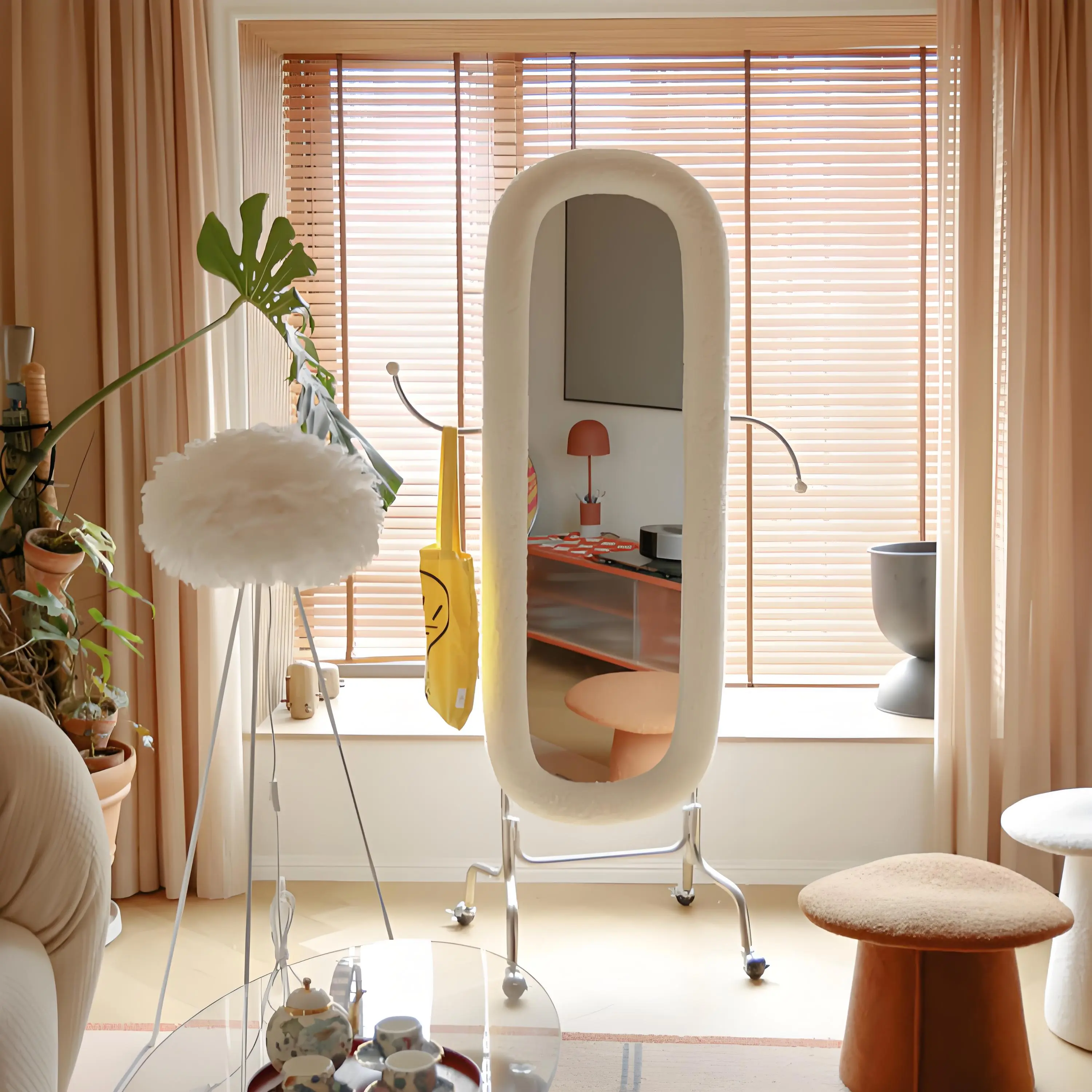
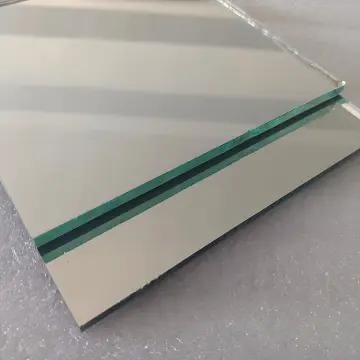
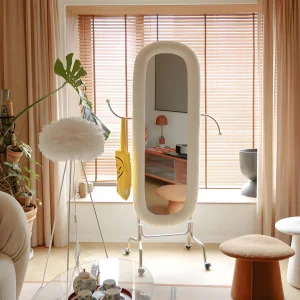
Safety-backed mirrors, antique design finishes, and copper-free environmentally friendly mirror products.
Explore CategoryDetailed technical answers for architects, structural engineers, and interior design contractors operating in Algeria.
Algiers experiences strong winds and sudden temperature shifts between night and day due to its Mediterranean coastal topography. Tempered safety glass is heated to approximately 620°C and rapidly cooled. This processing makes it 4 to 5 times stronger than standard annealed glass, resisting thermal stresses and high wind loads. When fractured, it breaks into small, blunt particles rather than dangerous shards, making it ideal for structural safety.
Low-E glass features a microscopically thin, transparent metal oxide coating that reflects long-wave infrared heat while letting short-wave visible light through. In Algiers' hot summers, this keeps the sun's intense heat out of the building. In winter, it reflects indoor heat back into the living space, reducing heating and air-conditioning energy demands in accordance with modern eco-building standards.
Marine transport involves high humidity and salinity, which can lead to glass haze or corrosion. We pack our processed glass with specialized anti-moisture desiccants and separation powders between sheets. The glass is sealed in heavy-duty wooden crates, preventing salt air from reacting with the glass surface during the shipping process to Algiers.
Yes. Utilizing modern ceramic digital printing technology, custom traditional patterns or contemporary graphics can be printed on the glass. During the tempering process, the ceramic ink is fired into the glass surface, ensuring the designs do not fade or wear under intense UV exposure and humid conditions.
Get in touch with our global technical team for bulk orders, custom specifications, and door-to-door shipping estimates for Algiers.
 Jiaerbe Glass