Main Features
1
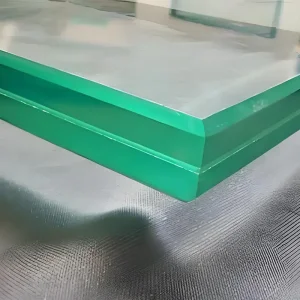
Higher Strength: One of the most significant advantages of tempered glass is its greater strength. The tempering process increases the glass's resistance to impact and thermal stress, making it five times stronger than regular glass of the same thickness. This strength makes it ideal for high-traffic areas and applications where breakage could pose a safety hazard.
2
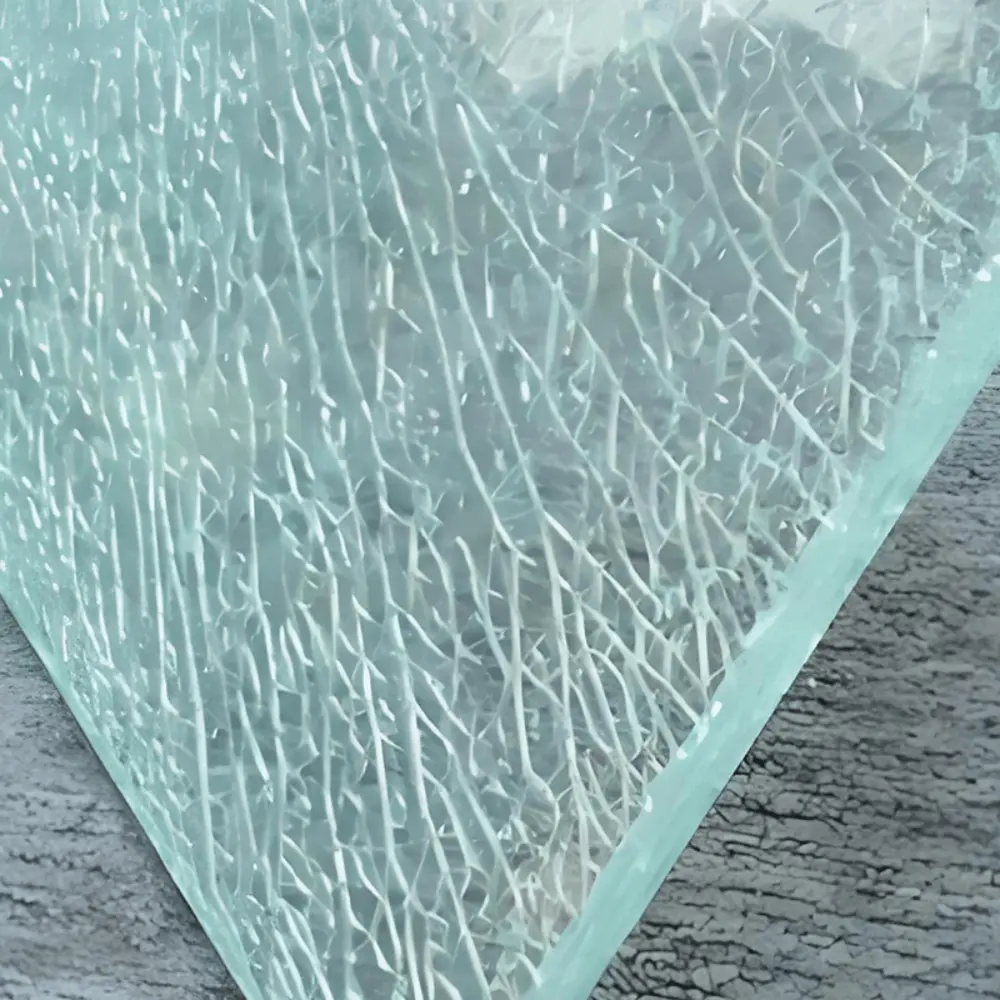
Safety: When tempered glass breaks, it breaks into small, blunt fragments rather than sharp pieces, significantly reducing the risk of injury. This safety feature is particularly important in environments such as homes, schools and public buildings where user safety is a top priority.
3
Heat resistance: Tempered glass can withstand high temperatures and sudden changes in temperature, making it ideal for applications such as shower doors, oven doors, and glass partitions in commercial kitchens. Its ability to withstand thermal stress without breaking ensures its reliability in a variety of environments.
4
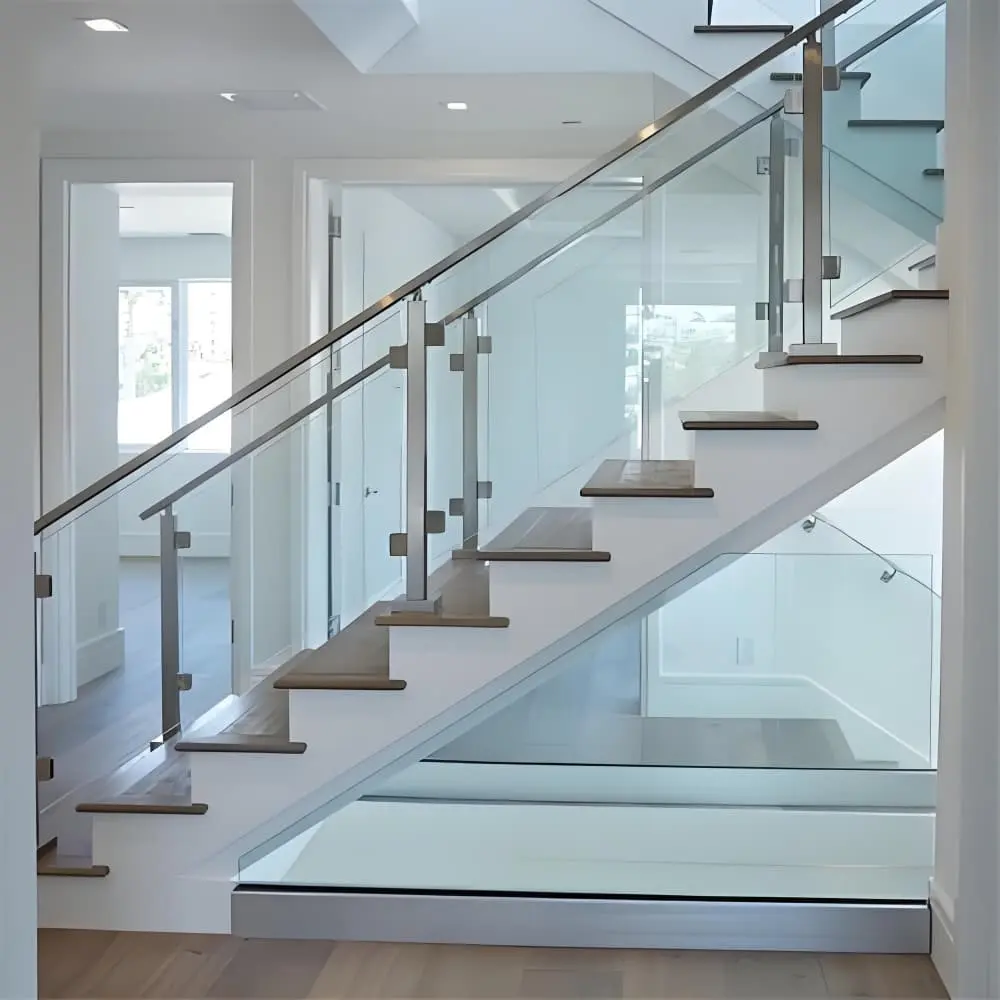
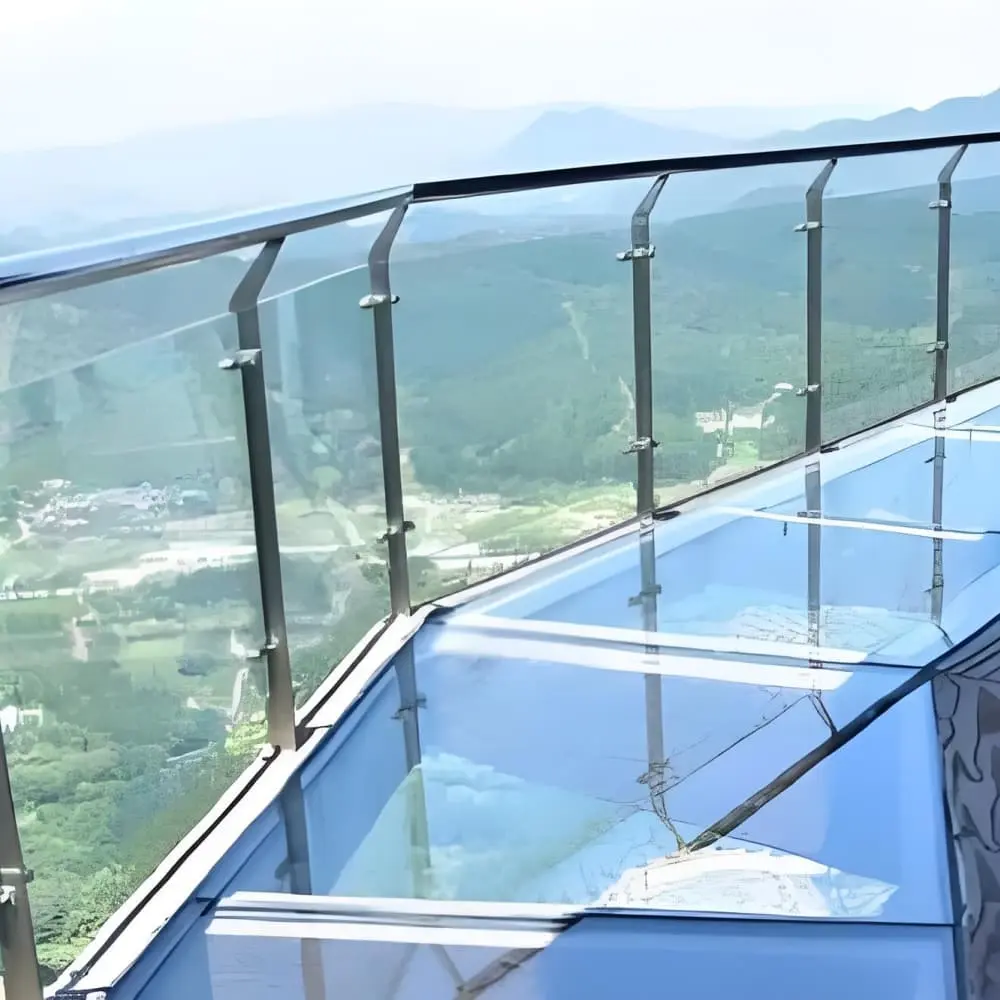
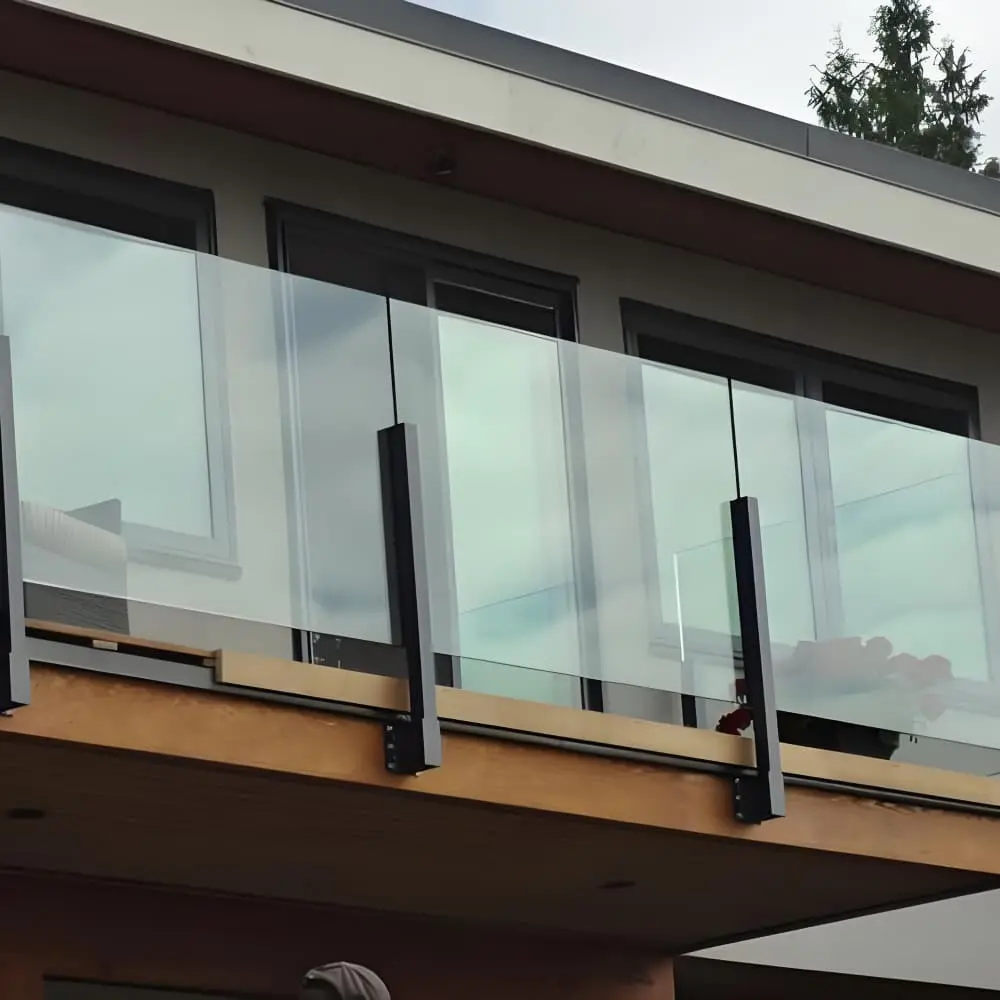
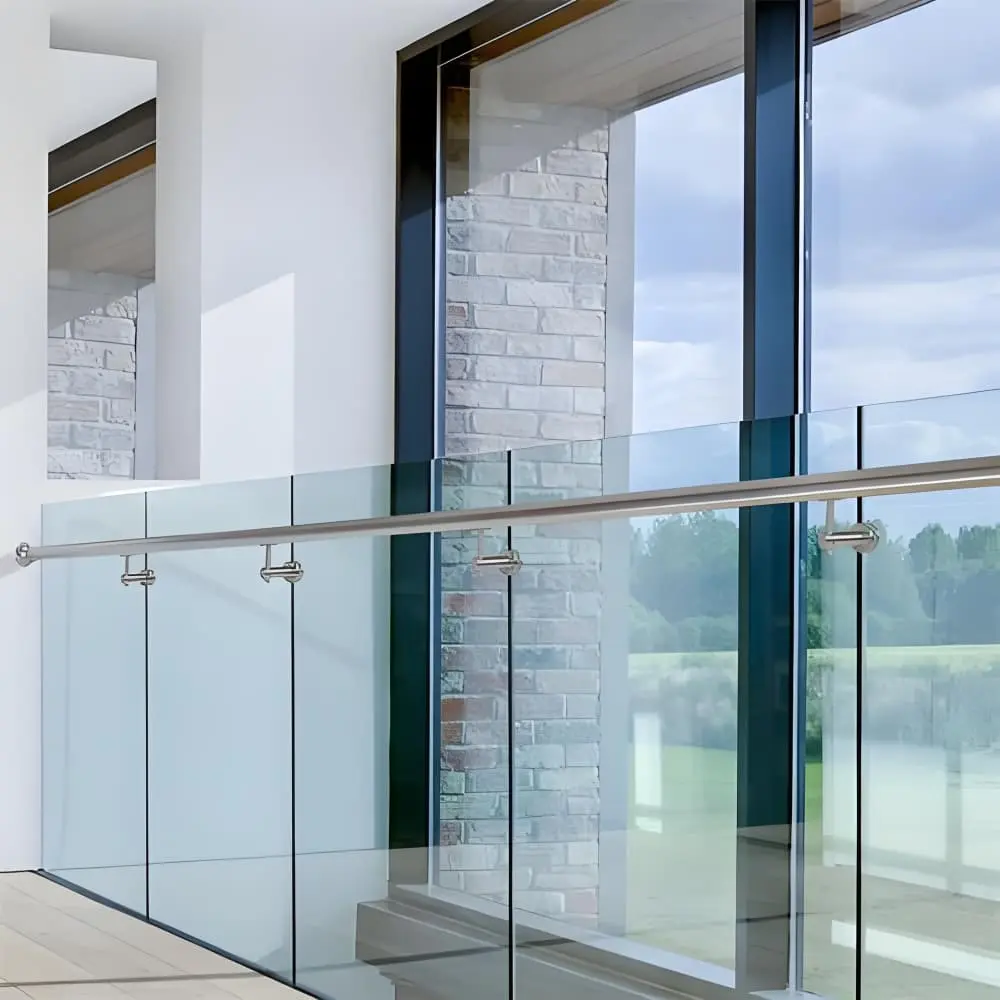
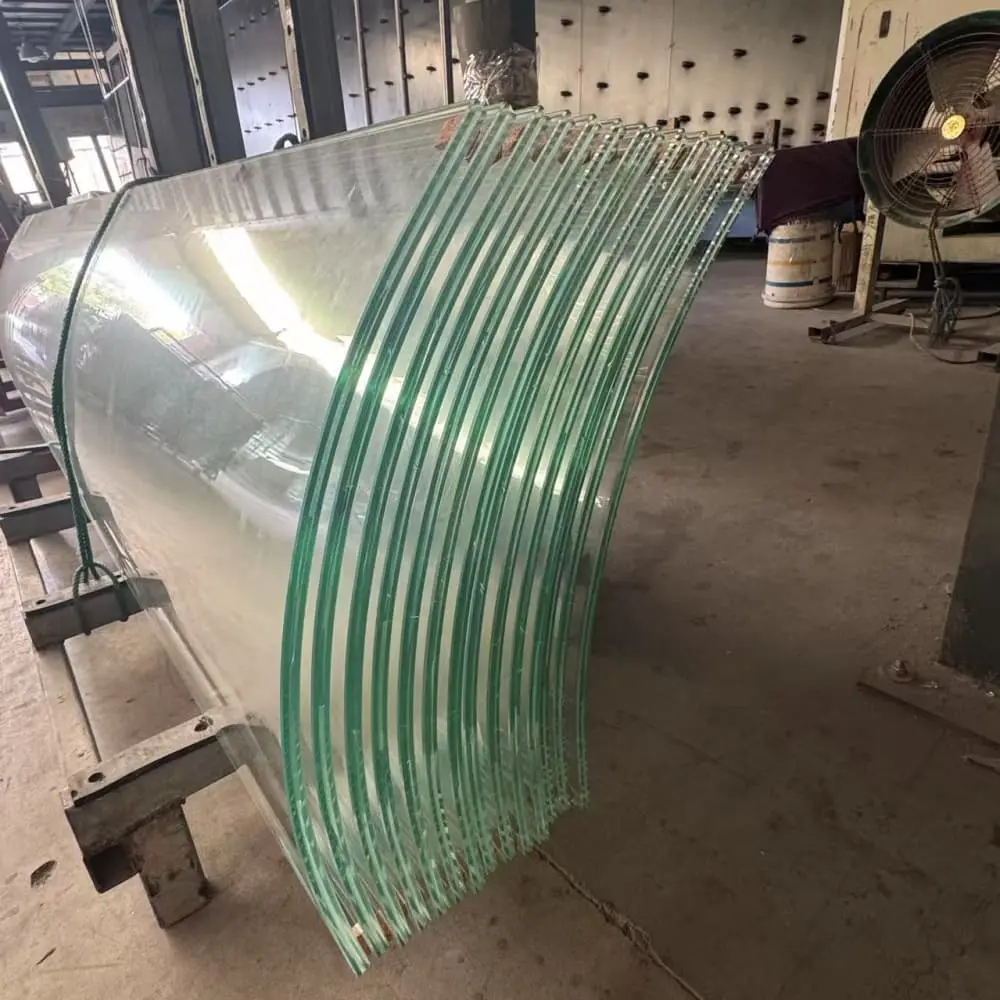
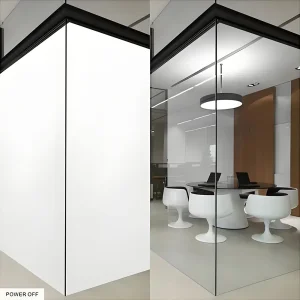
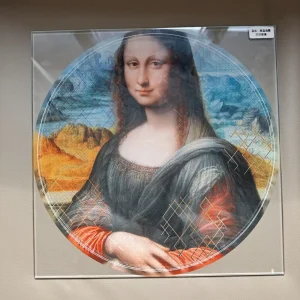
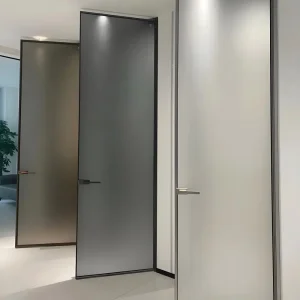
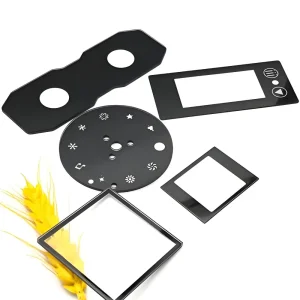
Wide Application: Tempered glass is available in a variety of thicknesses, sizes and surface treatments, and has a wide range of applications. It can be used for windows, doors, facades and furniture, as well as decorative elements such as glass railings and partitions.
Application Fields
A
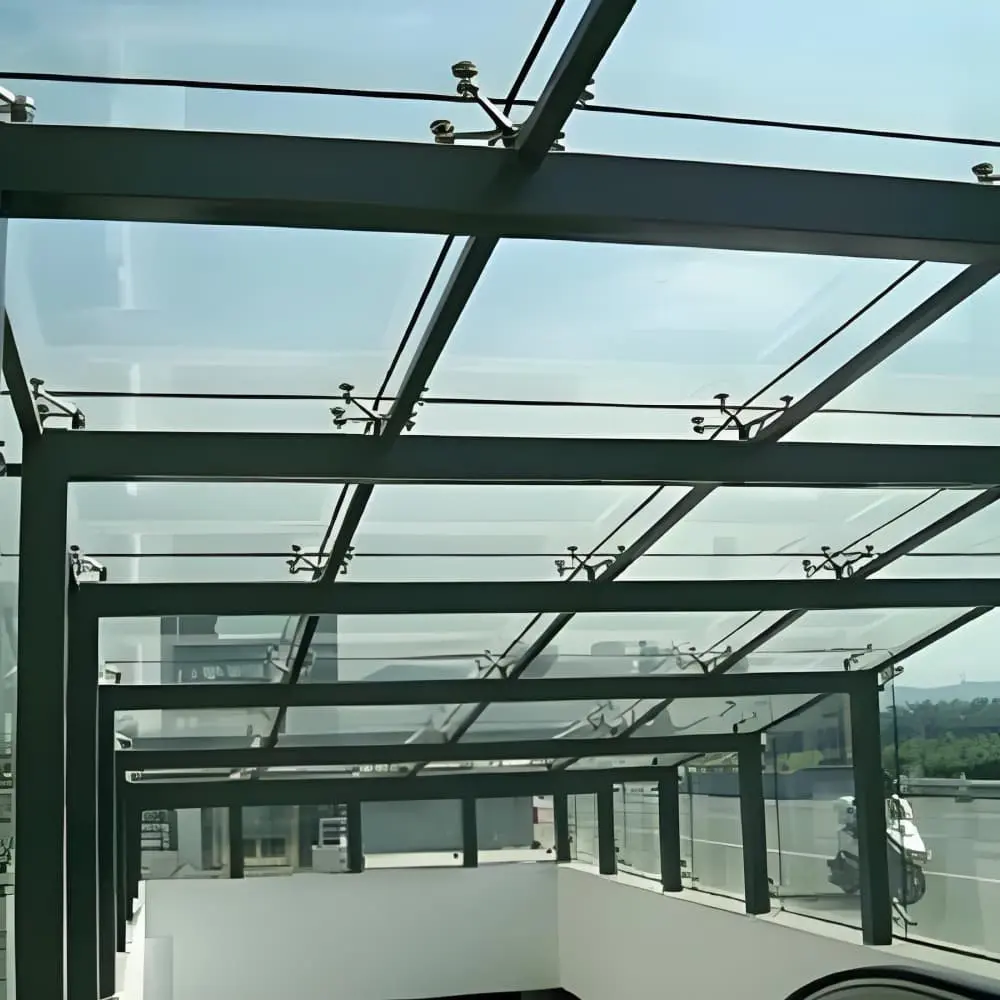
Building Facades: Tempered glass is commonly used for facades and windows in commercial and residential buildings. Its strength and heat resistance make it suitable for large glass panels that enhance the beauty of modern buildings.
B
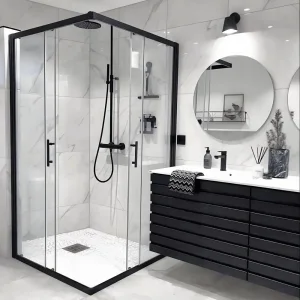
Shower Enclosure: Tempered glass is a popular choice for shower doors and shower enclosures due to its safety features and resistance to moisture and heat. Not only does it look stylish and modern, but it is also durable.
C
Automotive Glass: In the automotive industry, tempered glass is often used for side and rear windows. Its strength and safety properties are essential to protect the passengers inside the car.
D
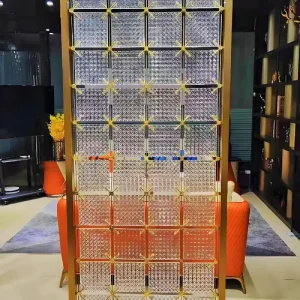
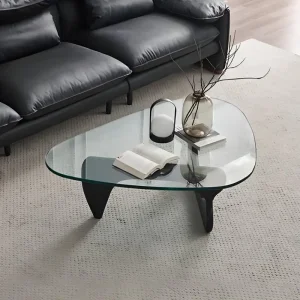
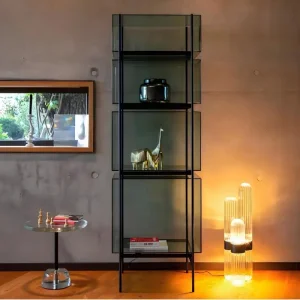
Furniture: Tempered glass is often used in furniture design, such as tabletops and shelving. Its durability and beauty make it an ideal choice for modern interior design.
Conclusion
Tempered glass is a highly durable and safe material that plays a vital role in a variety of applications across multiple industries. Its enhanced strength, thermal resistance, and safety make it an ideal choice for environments where performance and safety are critical. As design trends continue to evolve, tempered glass will continue to be a popular choice for architects, designers, and homeowners looking to balance functionality and aesthetics in their projects.
Frequently Asked Questions
Q1: What is the common thickness range for tempered glass?
The common thickness for tempered glass ranges from 3mm to 12mm, suitable for various industrial and residential needs.
Q2: How much stronger is tempered glass than regular glass?
Tempered glass is approximately five times stronger than regular glass of the same thickness, offering superior resistance to impact.
Q3: Why is tempered glass safer in case of breakage?
When it breaks, tempered glass shatters into small, blunt fragments instead of sharp shards, which significantly minimizes the risk of injury.
Q4: Can tempered glass withstand heat?
Yes, it is highly heat-resistant and can withstand sudden temperature changes, making it ideal for kitchen and automotive applications.
Q5: Can I request customized dimensions for my project?
Absolutely. Customized services are available for specific dimensions, shapes, and surface treatments to fit your architectural or design requirements.
Q6: What are the primary fields where tempered glass is used?
It is widely used in construction (facades, railings), automotive (side/rear windows), furniture (tabletops), and interior design (shower enclosures).
 Jiaerbe Glass