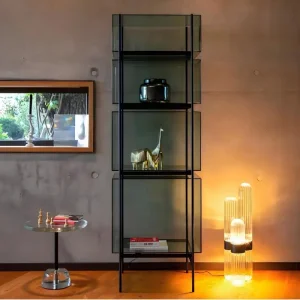
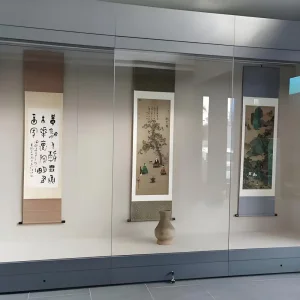
 Jiaerbe Glass
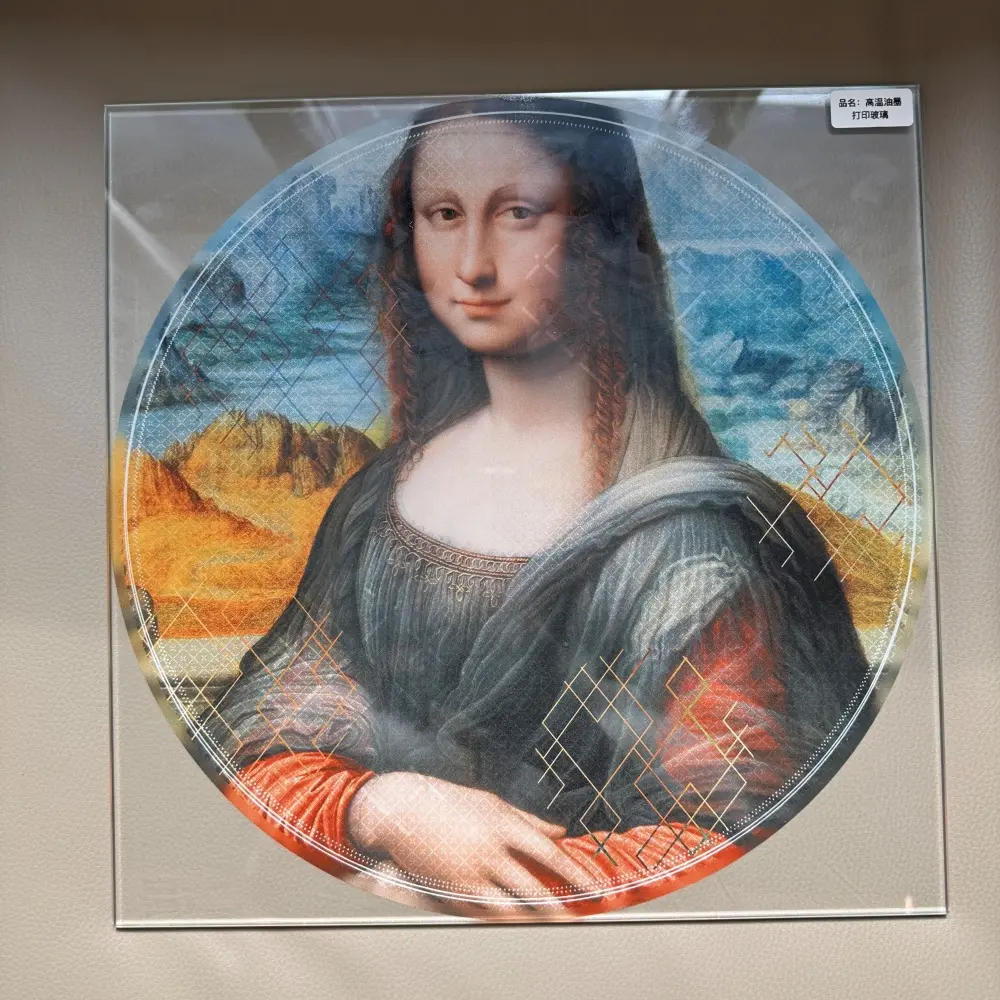
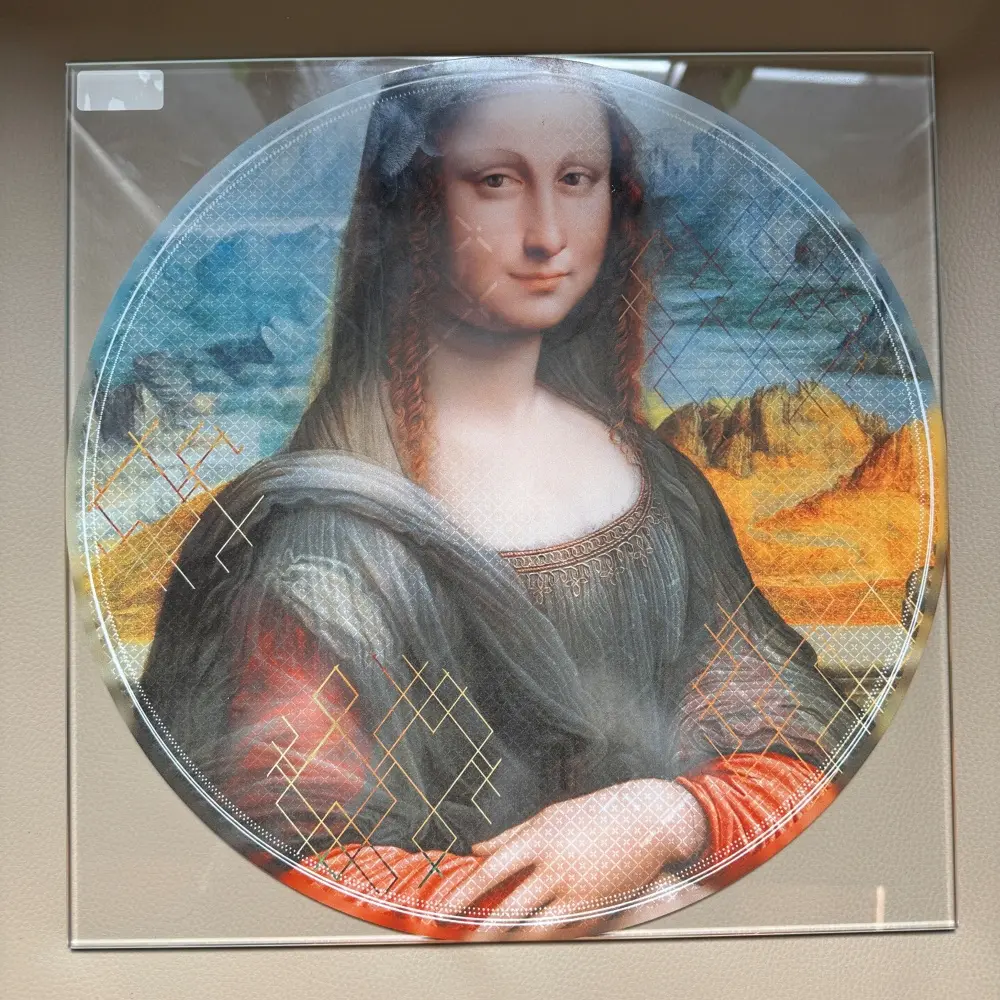
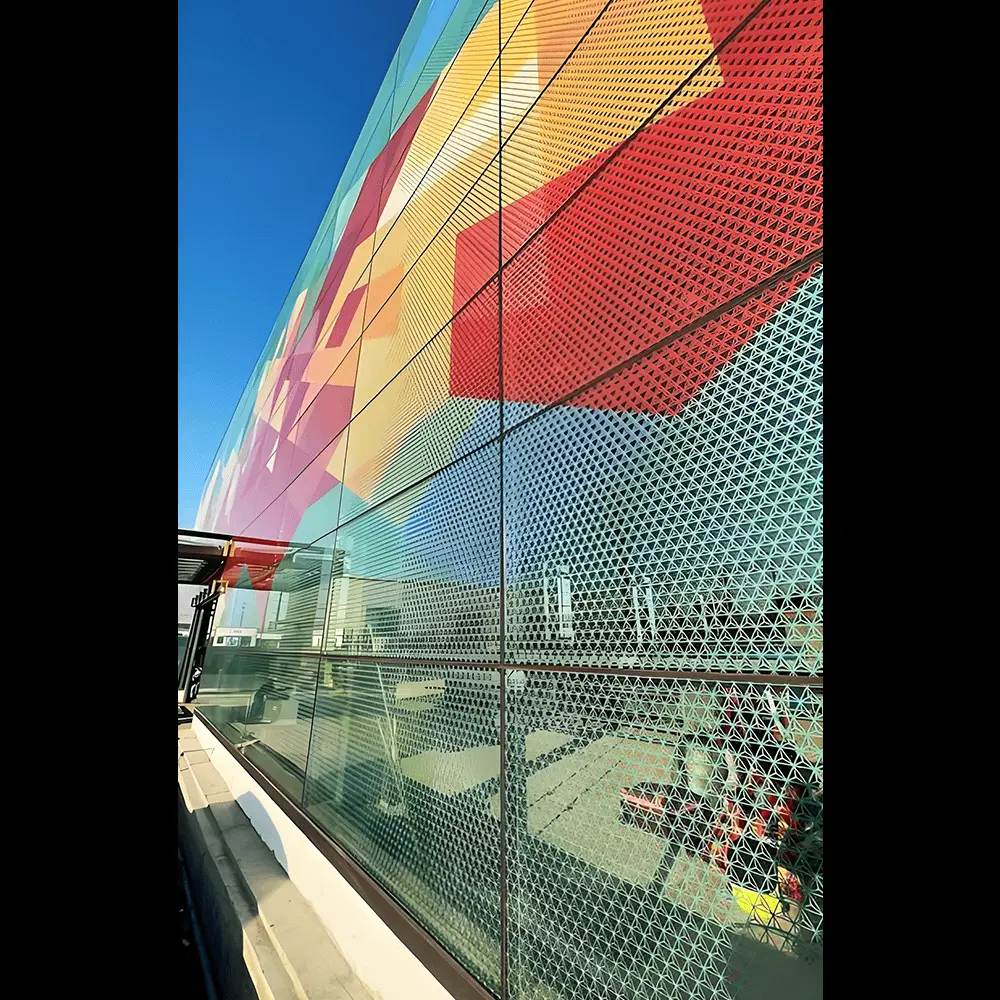
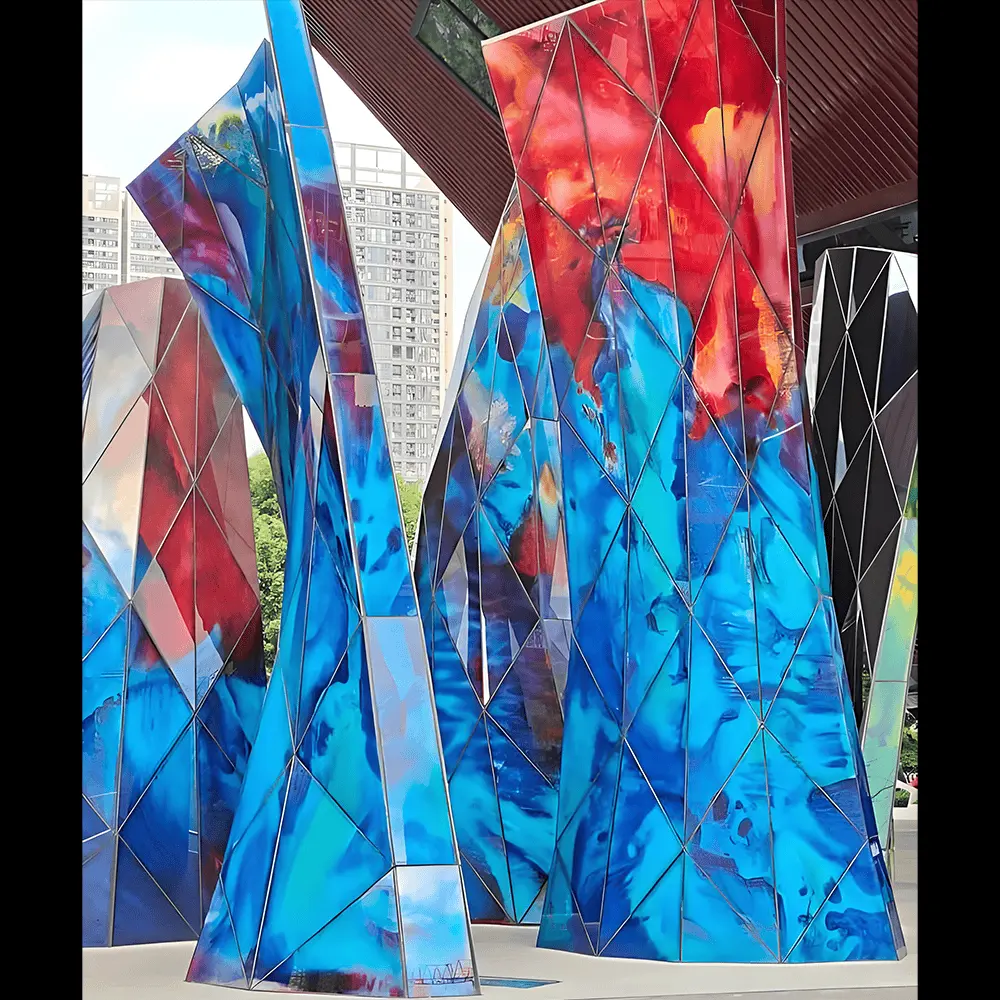
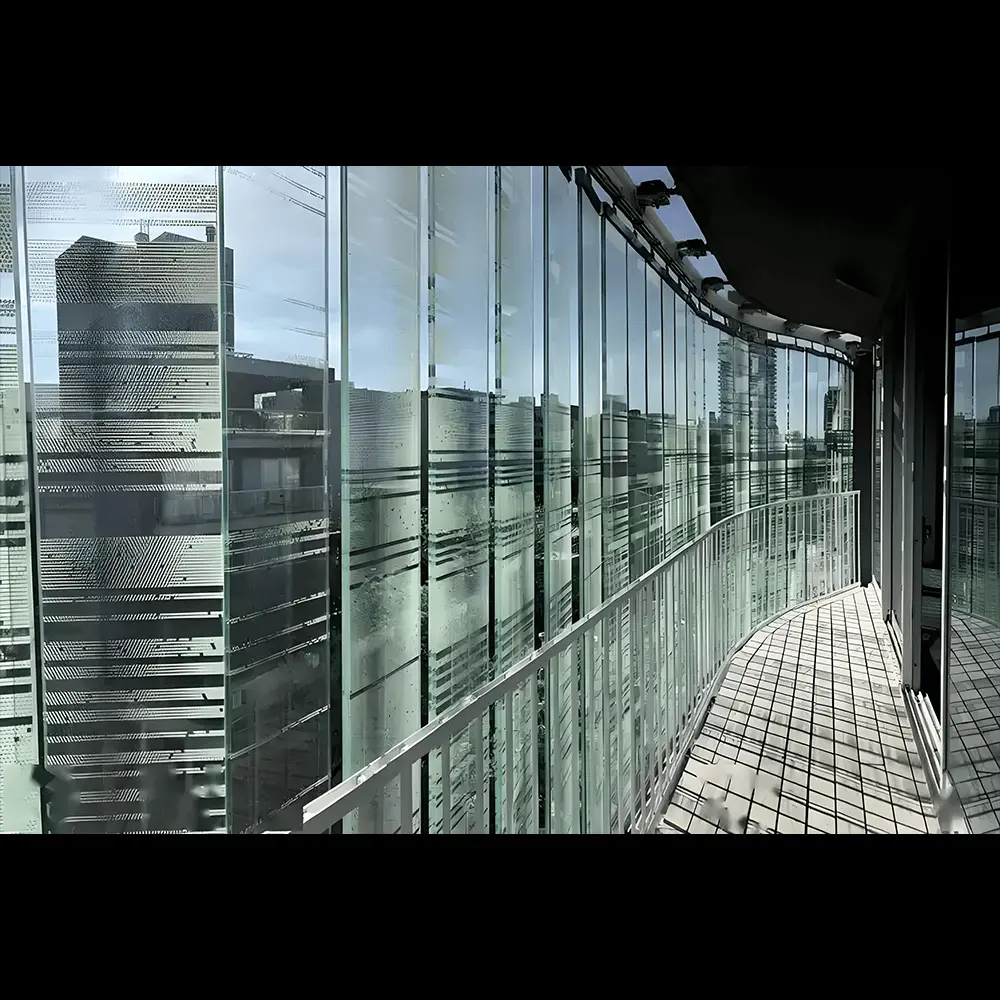
1 / 5
| Customized Service | dimensions, shapes etc. |
| Advantage | vivid and diverse visual effects |
| Suitable for | decoration, architecture and art etc. fields, such as church decoration |
The glass printing process generally involves several key steps:
1. Surface Preparation: Before printing, the glass surface must be thoroughly cleaned and prepared to ensure optimal ink adhesion. This may include washing, drying, and sometimes priming to enhance ink adhesion.
2. Printing Technology: There are many different printing methods, including digital printing, screen printing, and ceramic printing. Digital printing is popular for its ability to produce high-resolution images with rich details and vivid colors. Screen printing is often used for large-scale printing and can create bold, opaque designs.
3. Curing and Finishing: After printing, the glass is typically cured using heat or UV light to solidify the ink and ensure its durability. This step is critical to ensure that the print is resistant to scratching, fading, and environmental factors.
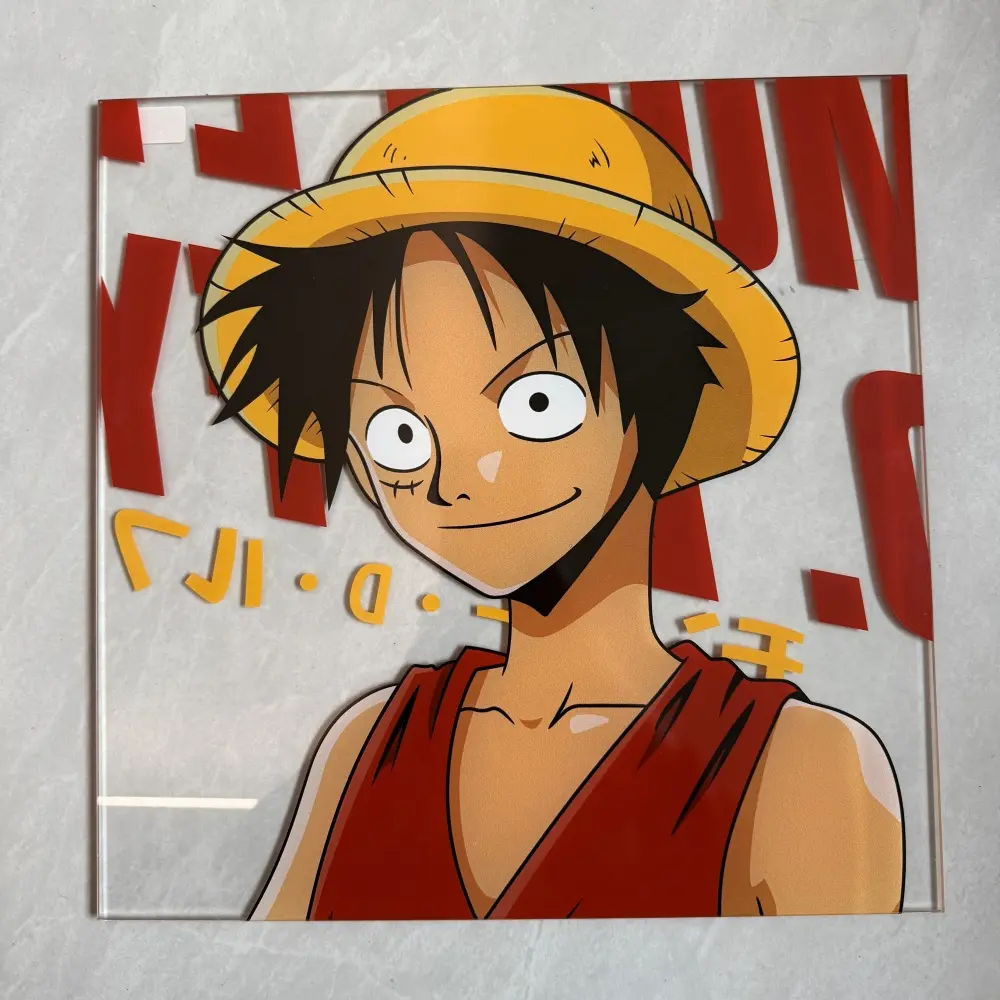
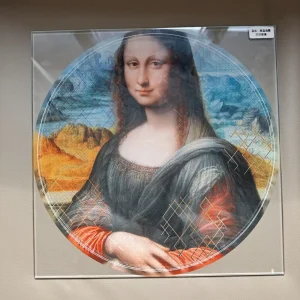
1. Customization: One of the most significant advantages of printed glass is the ability to customize the design according to specific needs. Whether it is brand promotion, artistic expression, or personal preference, printed glass can meet any style and needs.
2. Beautiful: Printed glass has a unique visual impact, capable of combining bright colors, intricate patterns and detailed images. This makes it ideal for decorative applications, enhancing the overall aesthetic of a space.
3. Durability: After proper printing and curing, the graphics on the glass are very durable. They can withstand sunlight, moisture and wear and tear, suitable for indoor and outdoor applications.
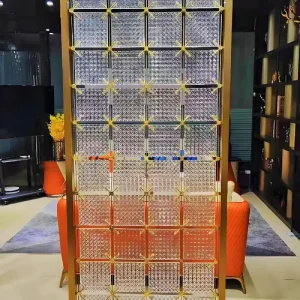
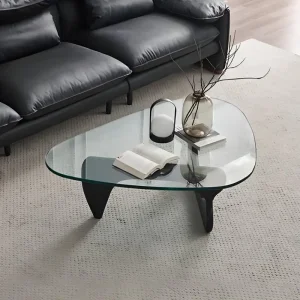
4. Wide Application: Printed glass can be used in a wide range of applications, from architectural elements such as windows and facades to interior design elements such as partitions, tabletops and decorative panels.
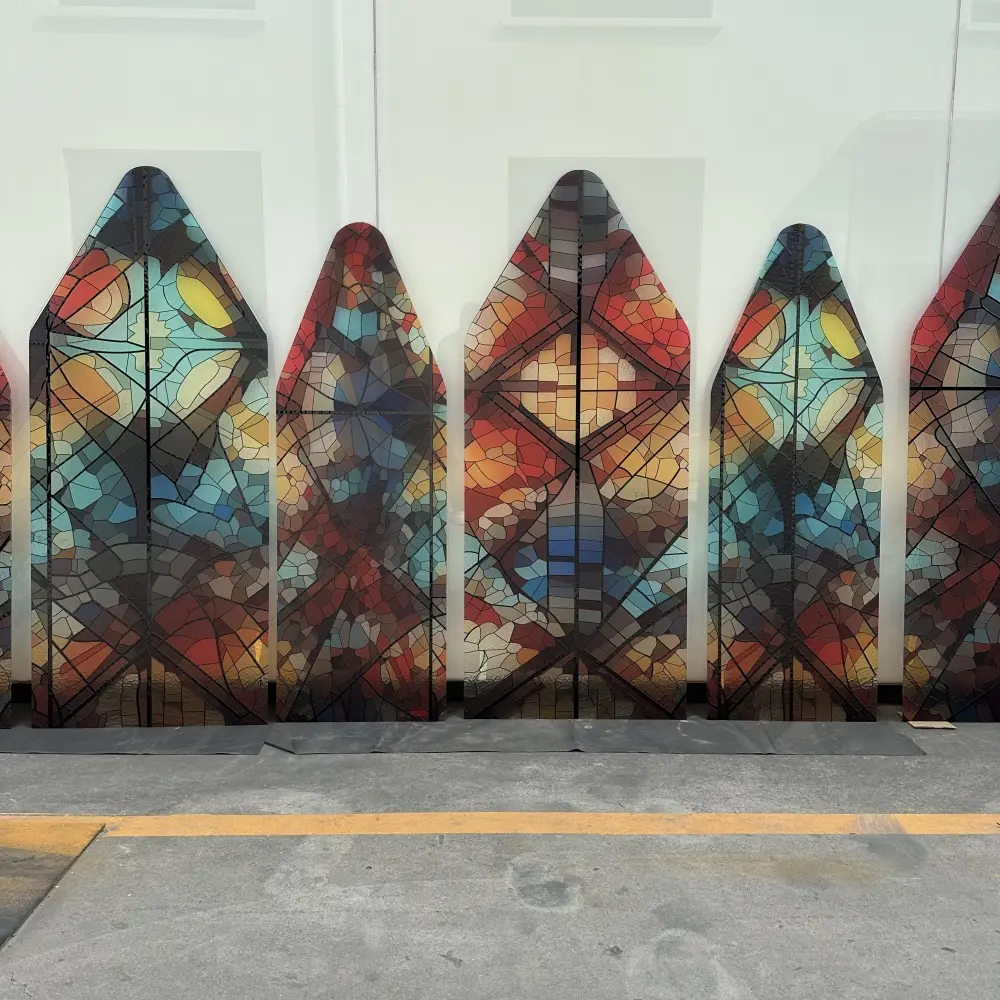
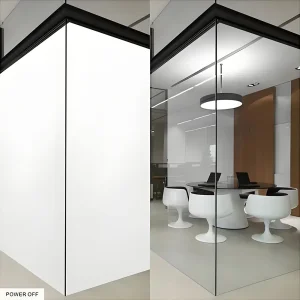
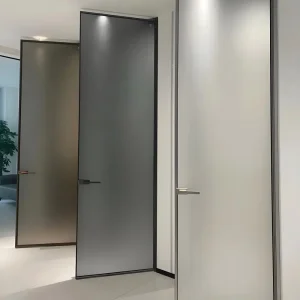
1. Architectural Design: Printed glass is increasingly used in building facades, windows and interior partitions. It can create stunning visual effects while ensuring privacy and diffusing light.
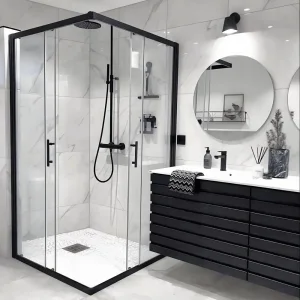
2. Interior Decoration: In residential and commercial spaces, printed glass can be used for decorative panels, shower doors and furniture surfaces to add a personal touch to the environment.
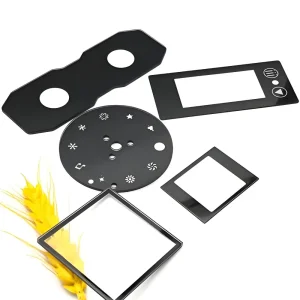
3. Signage & Branding: Businesses often use printed glass to create signs, logos, and promotional displays. Creating an eye-catching design helps draw the eye and effectively communicate your brand image.
4. Consumer Goods: Printed glass is also popular in the production of decorative glassware, kitchenware and gift items, allowing for unique, personalized products that stand out in the market.
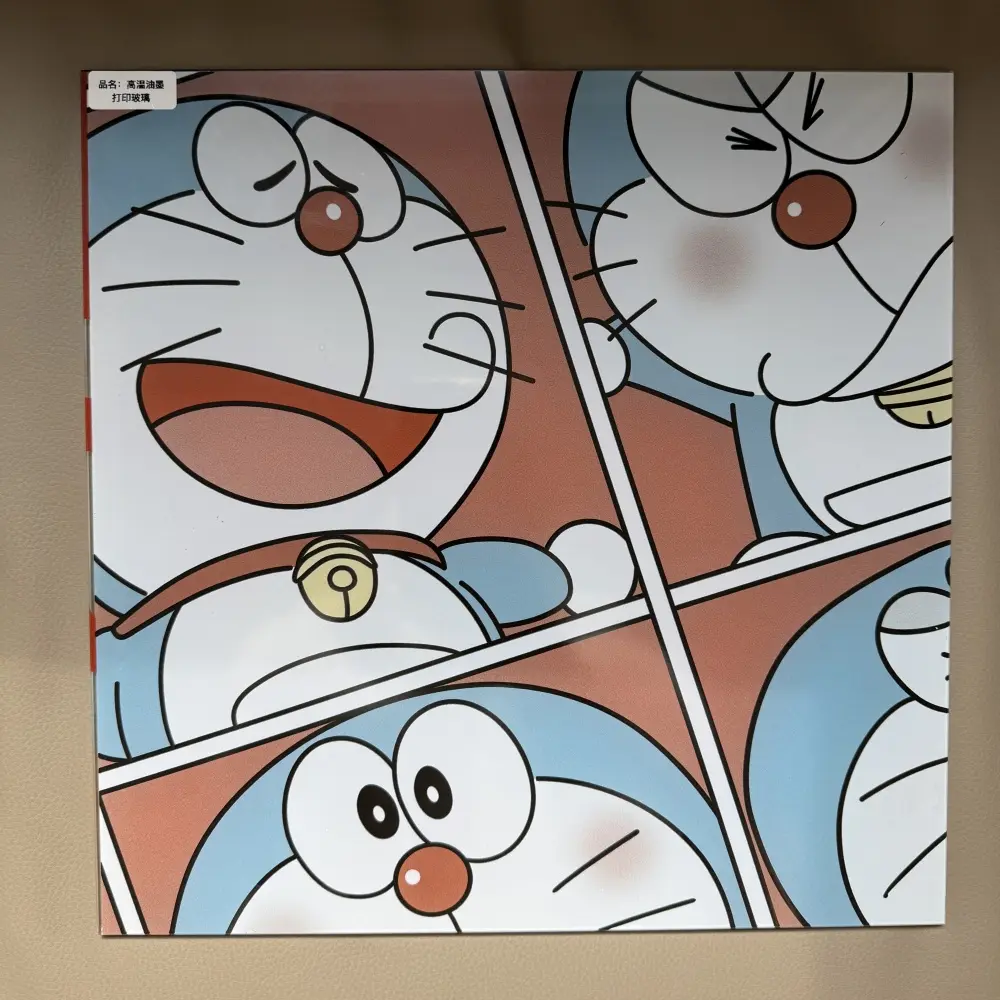
Printed glass is a versatile and innovative technology that can enhance the beauty and functionality of glass products. Its ability to produce high-quality custom designs makes it a valuable option for a wide range of industries, from architecture to consumer products. As technology continues to advance, the potential applications of printed glass will continue to expand, providing more opportunities for creativity and design in our daily lives.