 Jiaerbe Glass
1 / 5
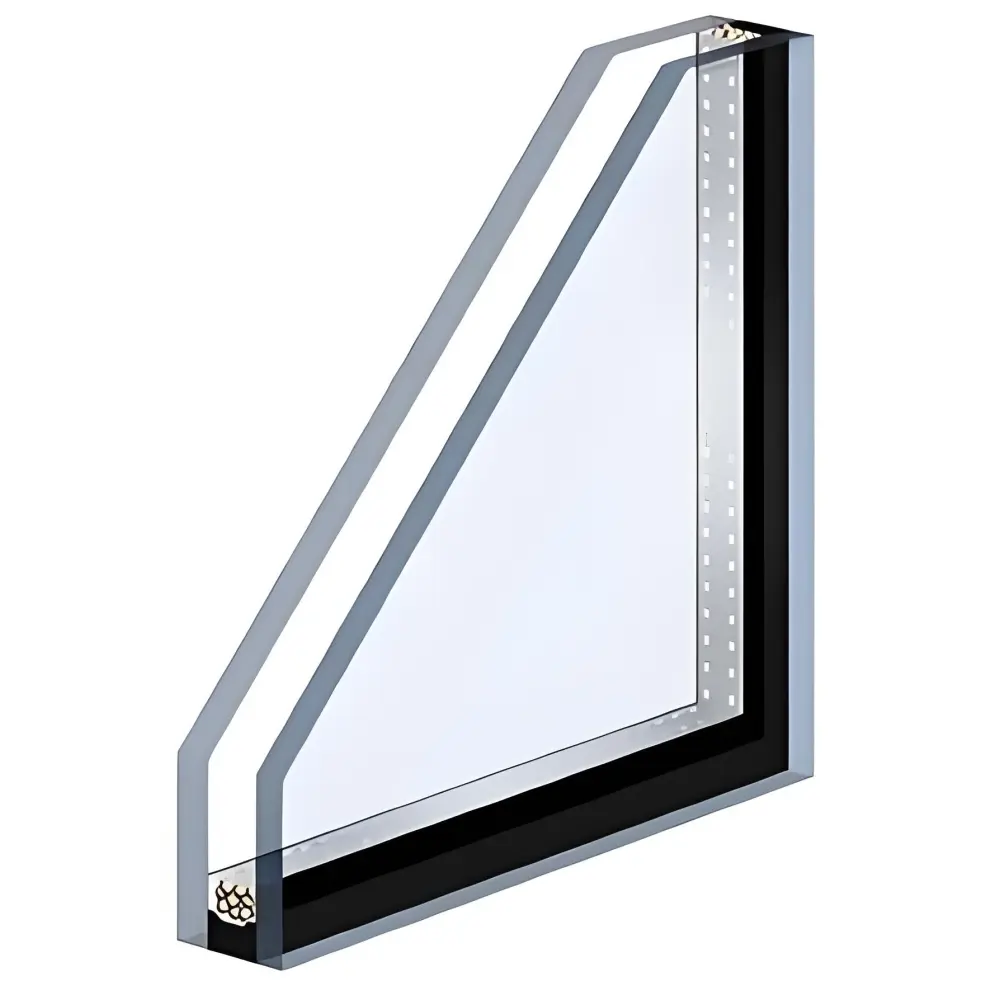
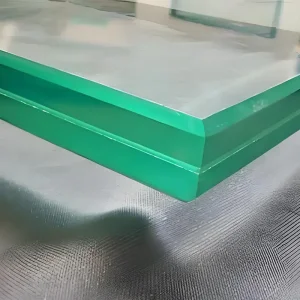
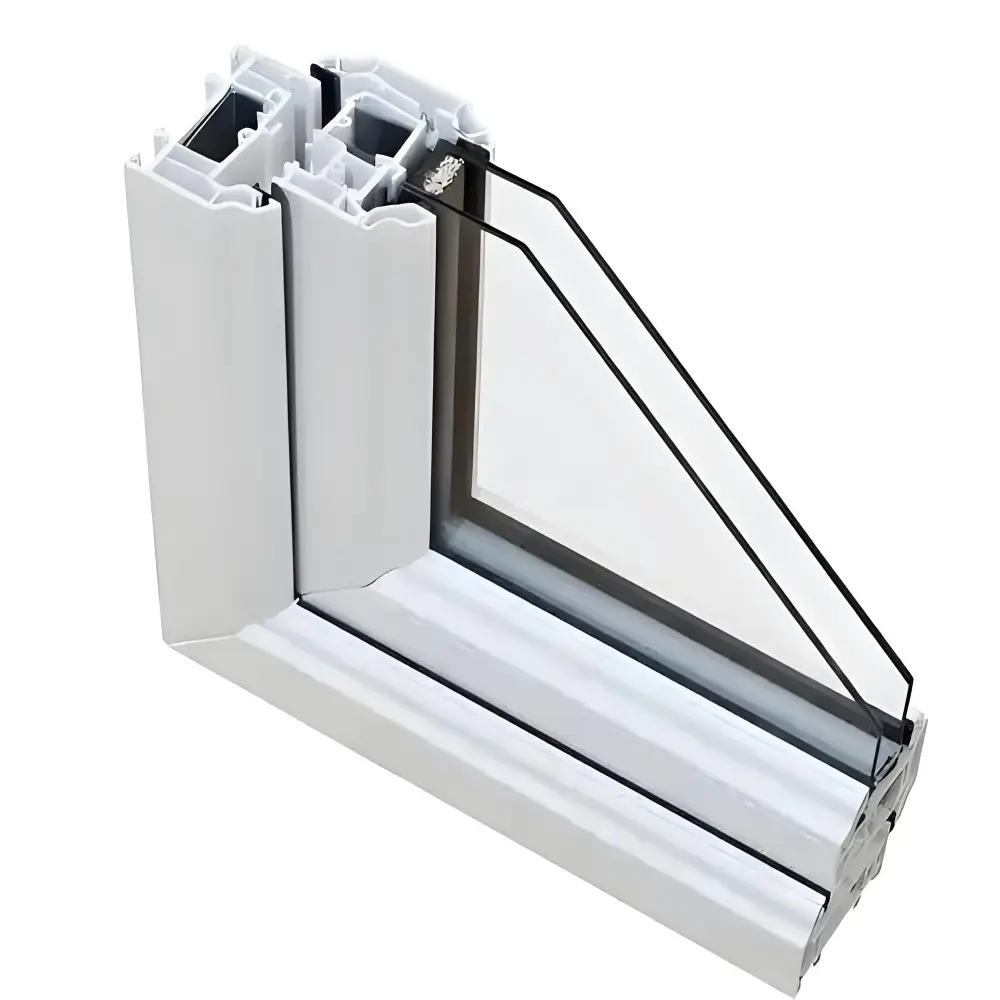
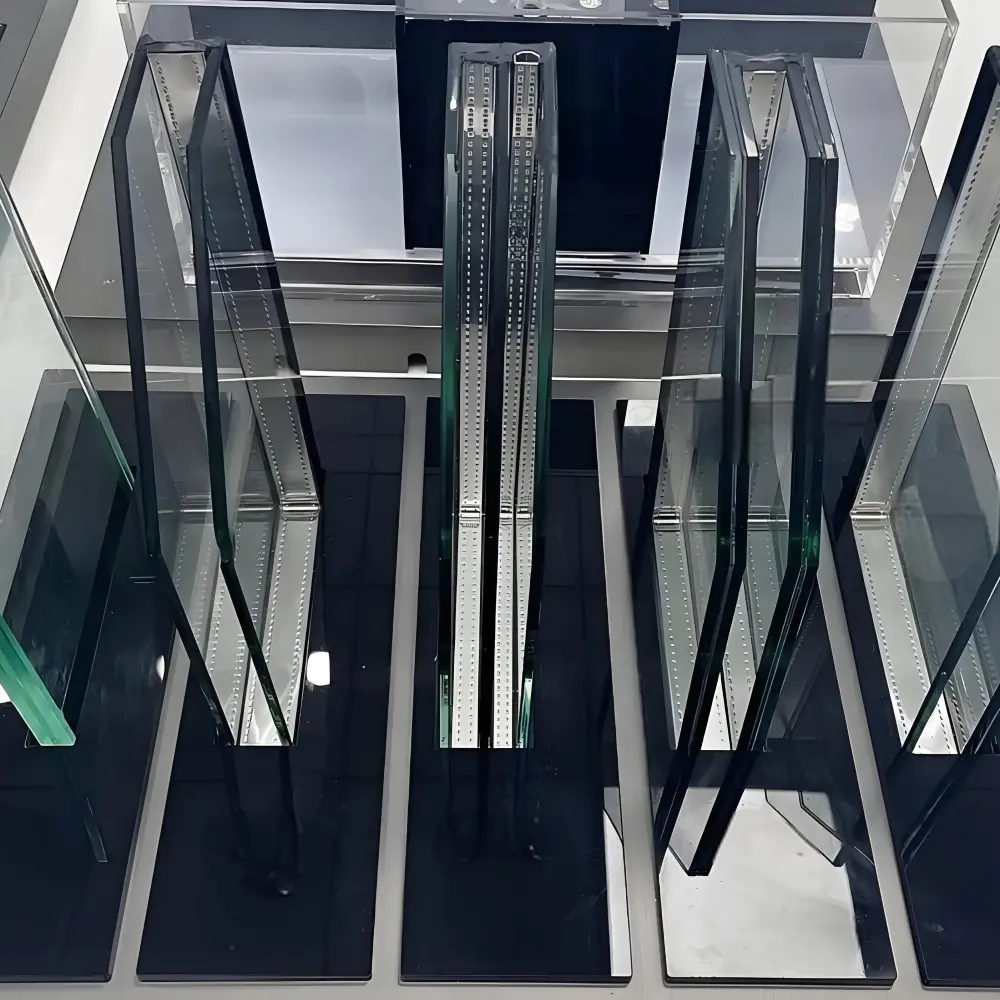
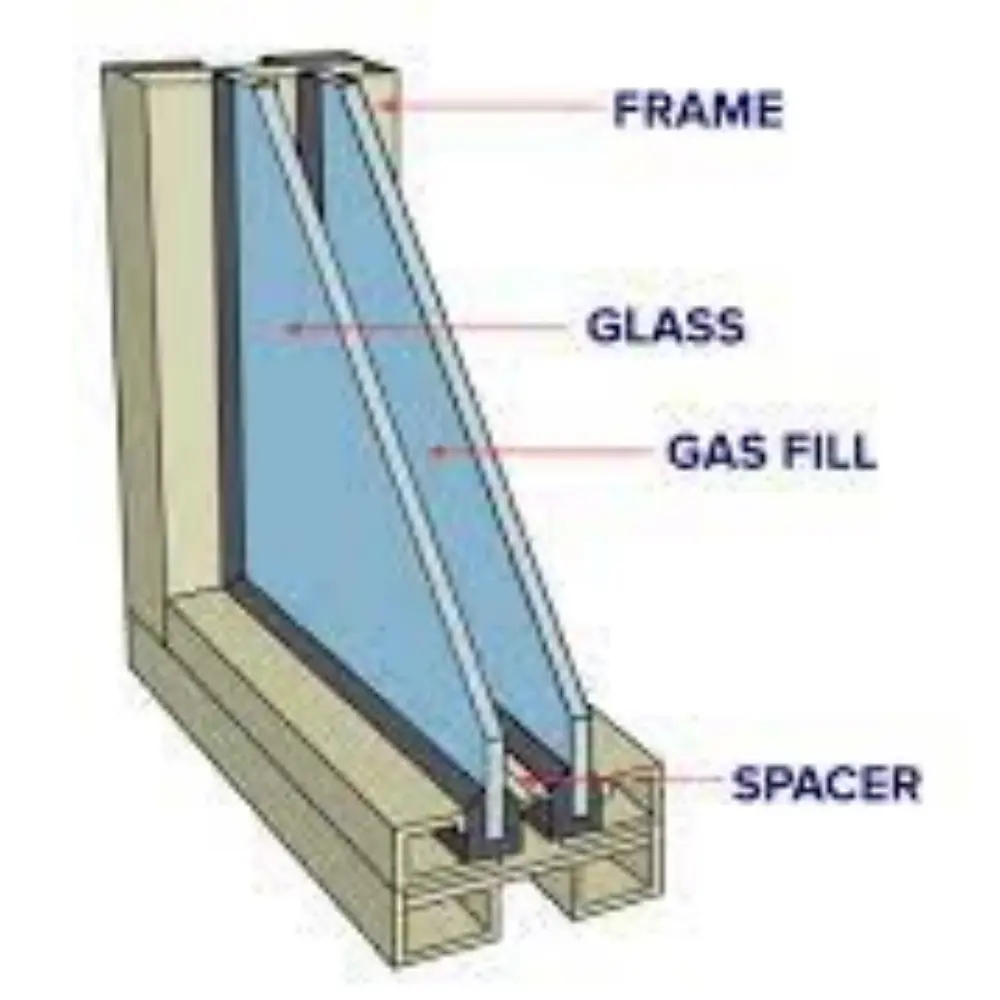
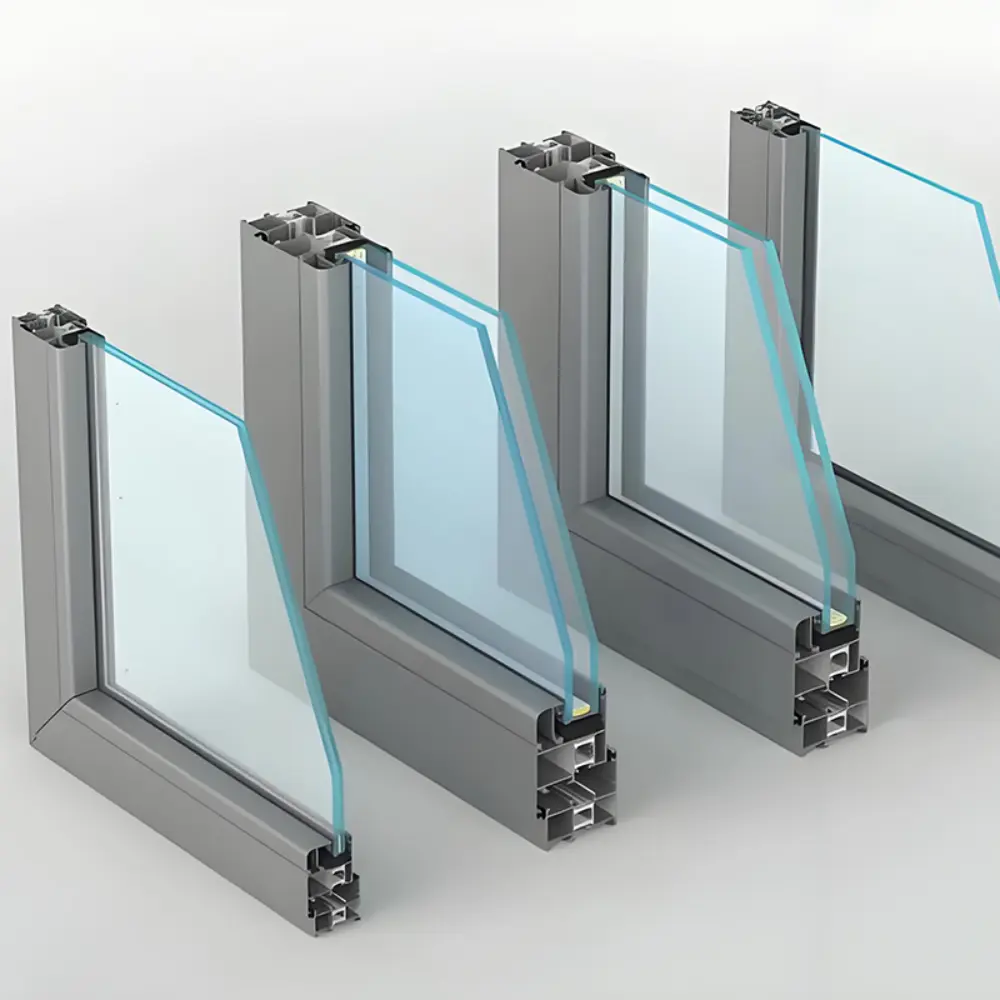
| Thickness | glass thickness + spacer thickness + glass thickness |
| Common Options | clear glass, coated glass, tinted glass etc. |
| Customized Service | dimensions, shapes etc. |
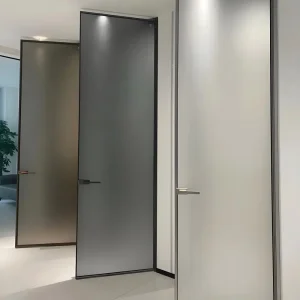
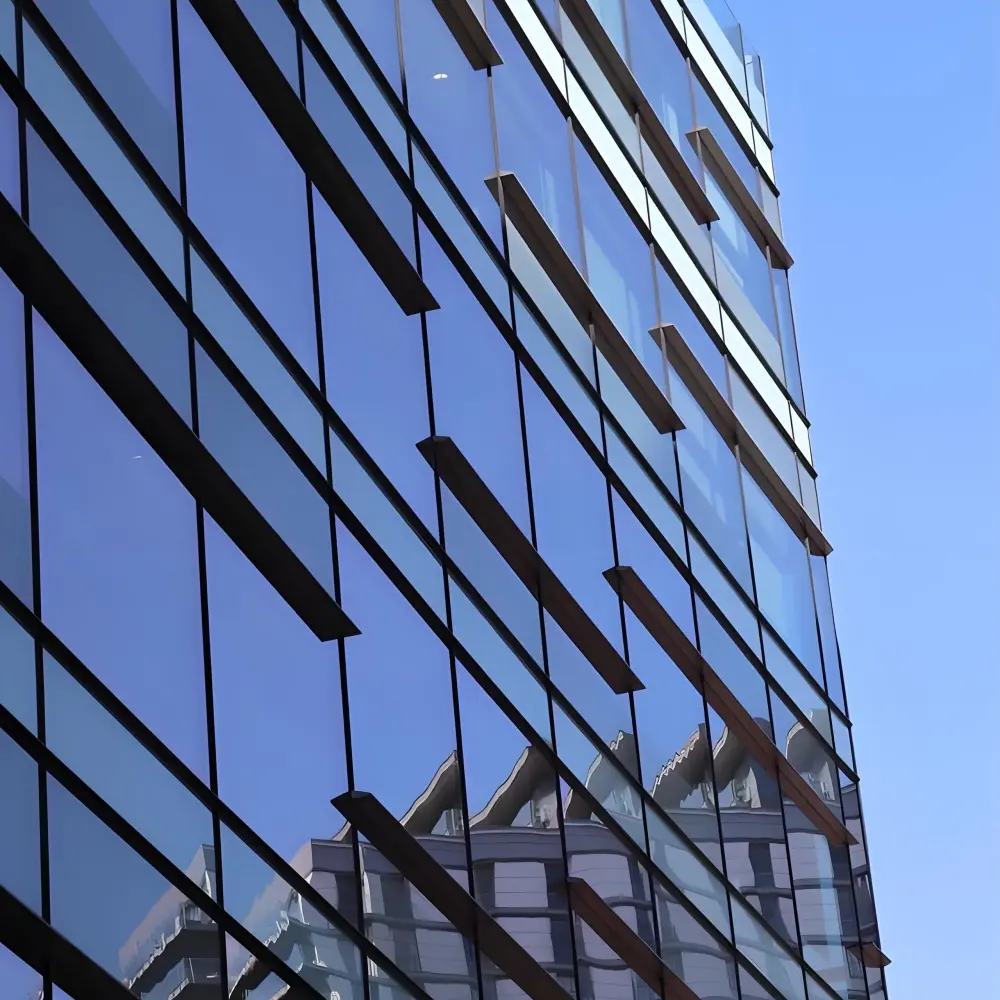
| Suitable for | architectural doors, windows, curtain walls etc |
One of the main benefits of insulating glass is its ability to improve energy efficiency. The spaces between the glass panels act as an insulating barrier, reducing heat loss in cold months and minimizing heat gain in warm months. This helps maintain a comfortable indoor temperature and significantly saves on heating and cooling costs.
Insulated glass also provides excellent sound insulation. The multiple layers of glass and the air or gas-filled space between the glass help reduce external noise, making it an ideal choice for homes and buildings located in noisy environments, such as near busy roads or airports.
The design of insulated glass helps reduce condensation on the interior surfaces. By maintaining a more constant temperature between the glass panes, it minimizes the potential for moisture accumulation, thereby avoiding problems with mold growth.
Insulating glass units can be customized to specific needs. Options include different glass types (such as low-e glass for enhanced insulation), different thicknesses, and different gas filling levels. This versatility enables architects and builders to customize solutions for different climate conditions and building designs.
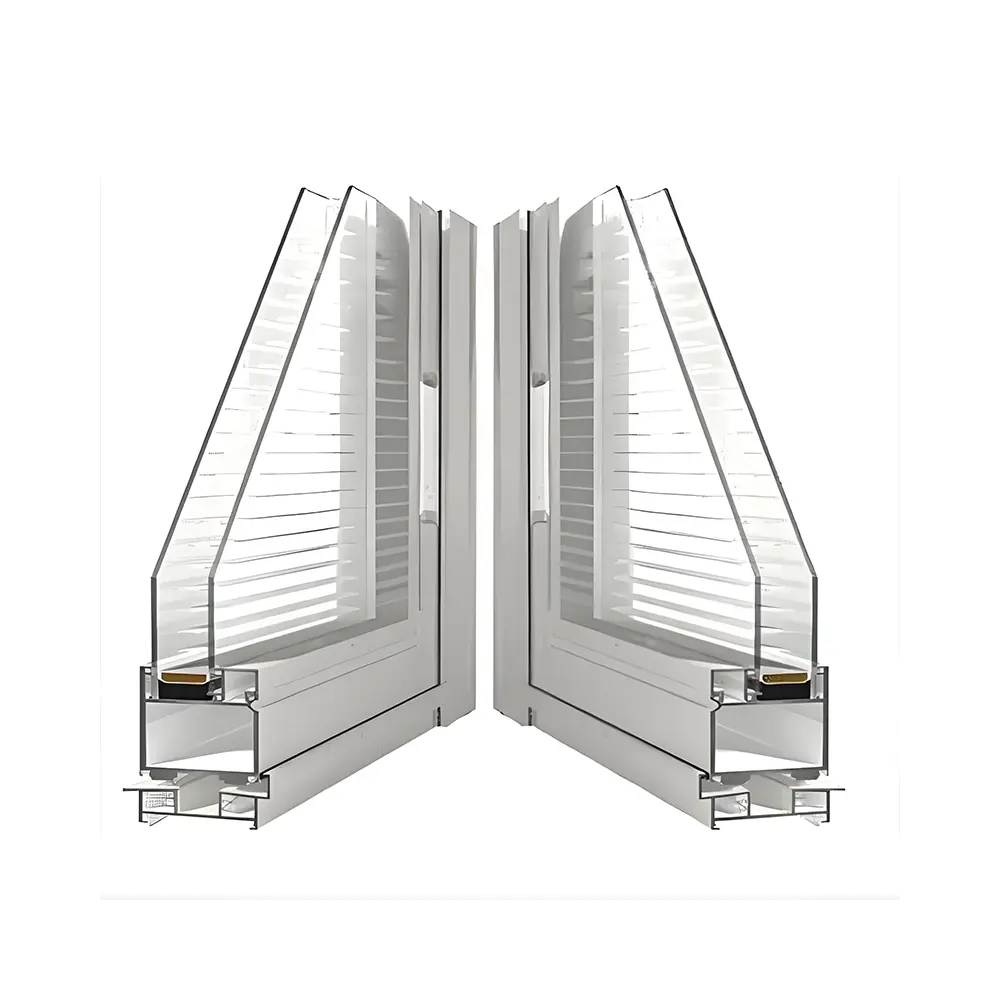
Thermal glass is commonly used in residential and commercial windows to provide energy efficiency and comfort. Thermal glass comes in a variety of styles, including casement, sliding, and fixed windows.
Many exterior doors feature insulated glass for increased energy efficiency and security. This is especially important for patio doors and entry doors where maintaining a comfortable interior climate is essential.
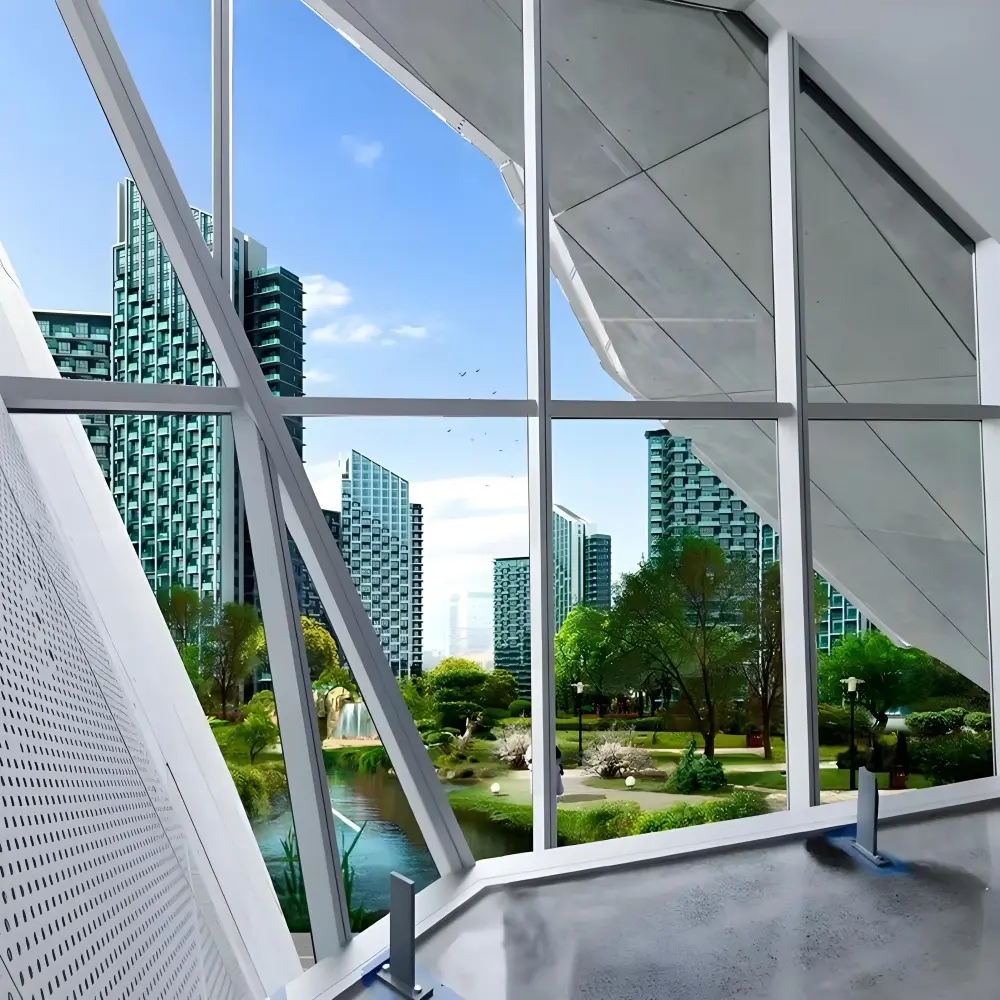
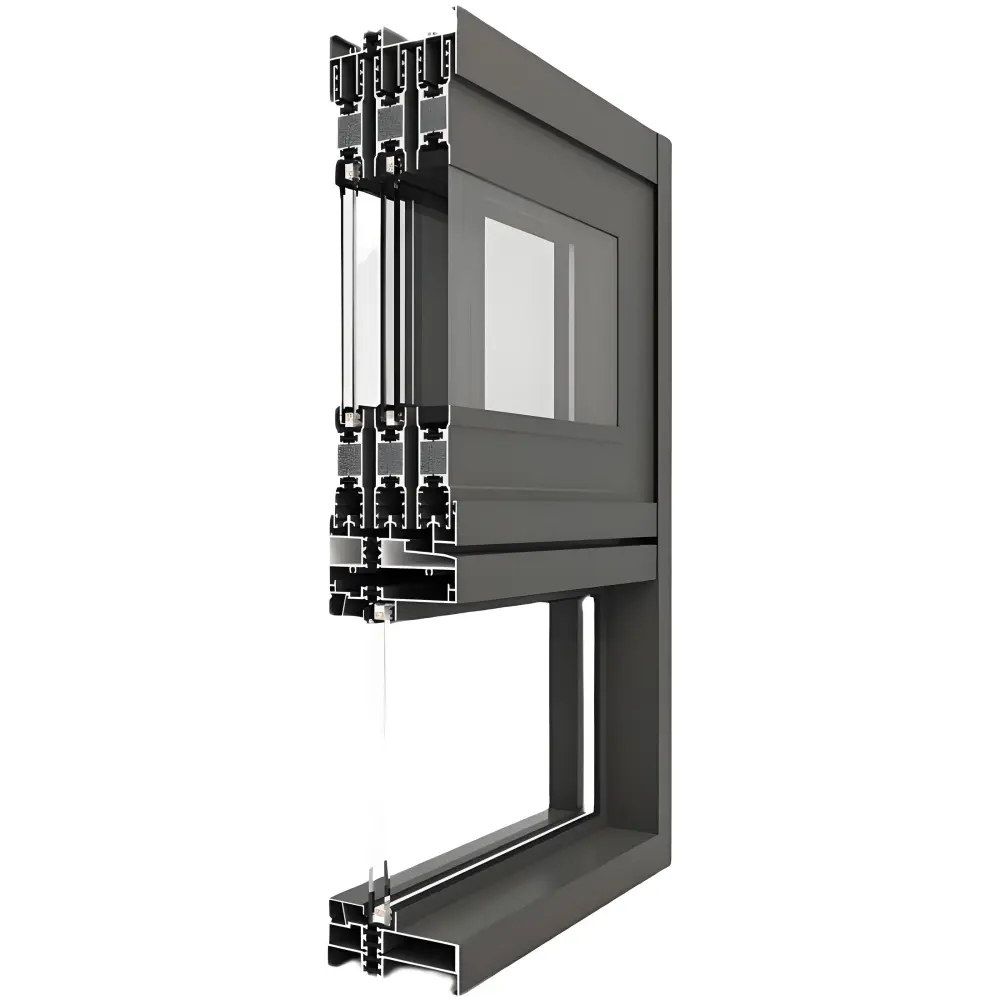
In commercial buildings, insulated glass is often used in curtain wall systems to provide a stylish appearance while improving energy performance. These systems allow for large areas of glass to be used, maximizing natural light while minimizing heat loss.
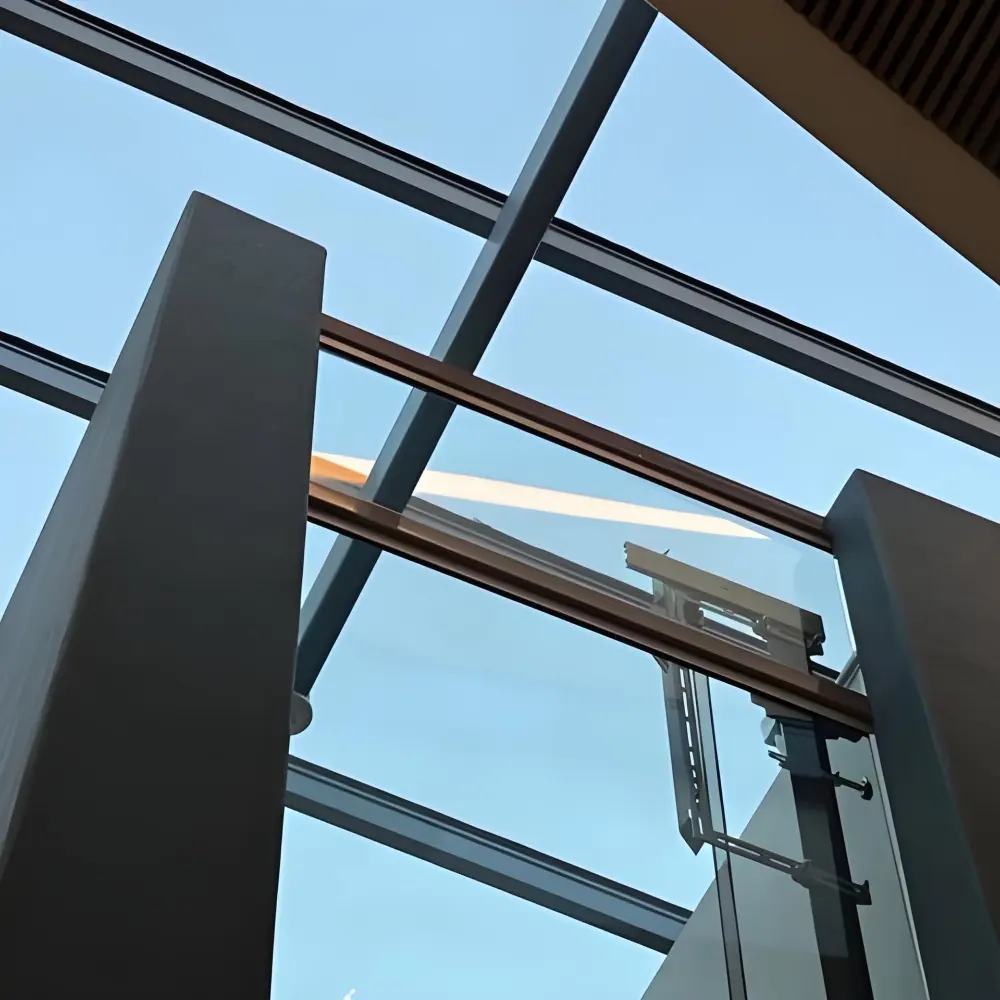
Insulated glass is also used in skylights to provide insulation while letting natural light in. This application is beneficial in both residential and commercial settings, improving the overall aesthetics and energy efficiency of the space.
Insulating glass is an integral component of modern building design, providing many benefits, including energy saving, sound insulation and resistance to condensation. Its versatility and customization options make it suitable for a variety of applications, from doors and windows to curtain walls and skylights. As the demand for energy-saving solutions continues to grow, insulating glass will continue to be an indispensable choice for architects, builders and homeowners who are looking to improve the comfort and sustainability of their spaces.