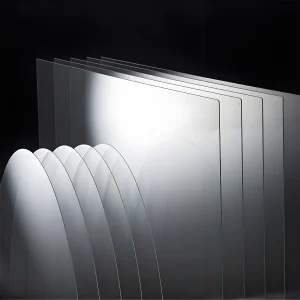
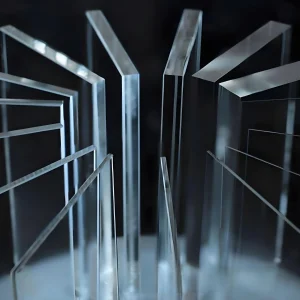
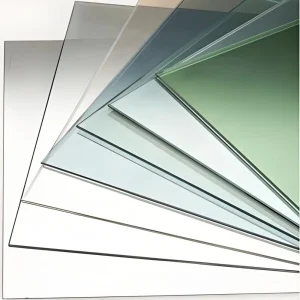
Explore our premium architectural and specialized glass products manufactured to exact international standards for global deployment.
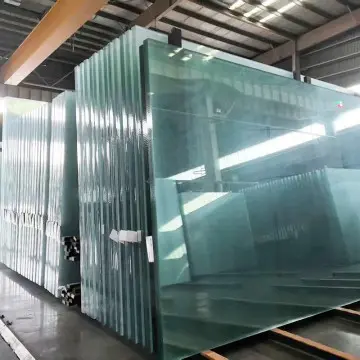
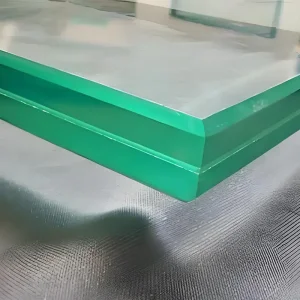
In the modern global landscape of architectural design, structural engineering, and commercial infrastructure, Clear Laminated Safety Glass has progressed from a premium building specialty to an indispensable baseline requirement. Driven by strict regulatory codes governing life safety, wind loads, impact parameters, and structural stability, today's procurement directors require more than a commodity—they demand a highly engineered glass composite. By definition, clear laminated glass consists of two or more sheets of clear float glass fused together via a high-performance interlayer—most commonly Polyvinyl Butyral (PVB) or SentryGlas Plus (SGP) ionoplast—under strict thermal and pneumatic compression in a specialized autoclave system.
Unlike standard monolithic glass, which breaks into sharp, dangerous shards, laminated configurations retain their structural integrity upon impact. The interlayer holds the fractured glass fragments together, creating a resilient membrane that prevents penetration and eliminates overhead falling hazards. This technical property is central to modern facade engineering, protecting buildings and occupants from natural hazards such as hurricanes and seismic events, as well as human-induced security threats like forced entry and ballistic impact.
"A structural facade is only as strong as its weakest component. By optimizing interlayer adhesion, mechanical shear strength, and overall optical clarity, Clear Laminated Safety Glass transforms traditional transparent surfaces into reliable structural elements."
Furthermore, high-performance laminated glass offers vital secondary benefits. Its multi-layered design provides exceptional acoustic dampening, reducing outdoor noise transmission by up to 35-40 decibels (dB), making it highly valuable for high-density urban residential and commercial developments. It also provides exceptional UV-blocking capabilities, with high-quality interlayers filtering out up to 99% of harmful ultraviolet radiation, protecting interior assets and finishes from premature fading.
The global glass supply chain relies on Chinese manufacturers for reliable, high-volume production. As international buyers evaluate glass exporters, China's manufacturing ecosystem offers clear structural and qualitative advantages:
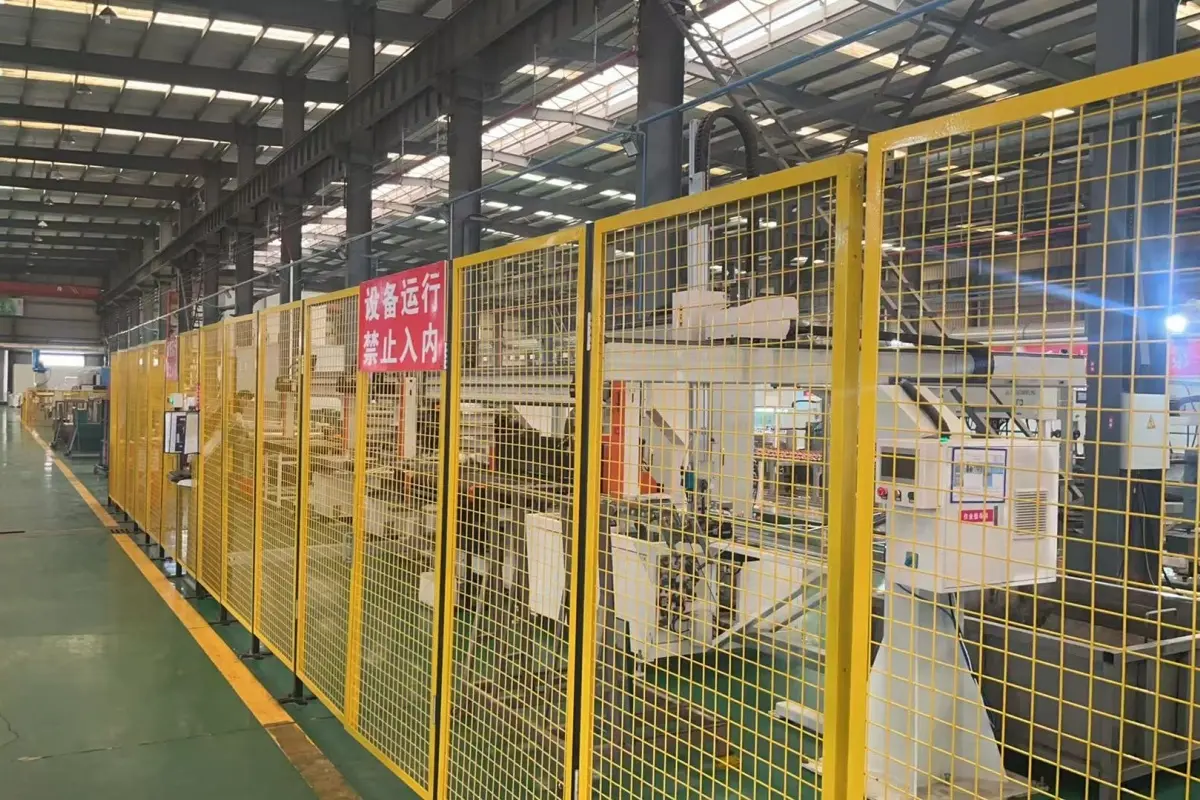
Bridging China's advanced manufacturing capabilities with global projects requiring exceptional precision.
The safety glass industry is undergoing rapid technical evolution, driven by green building mandates and the rise of smart city infrastructure. Modern projects increasingly demand higher performance across multiple areas, moving past standard safety benefits:
High-performance acoustic PVB interlayers are engineered to filter out urban ambient noise. As high-density transit-oriented developments grow, laminated glass acts as a reliable acoustic shield, keeping indoor spaces peaceful.
Building-Integrated Photovoltaics (BIPV) are being integrated directly into laminated glass structures. Glass facades are evolving from passive thermal barriers into active energy-generating building surfaces.
Ionoplast interlayers (such as SentryGlas) provide up to 100 times the stiffness of traditional PVB. This allows for thinner structural glass setups while maintaining high load-bearing capacity and safety margins.
Modern construction relies on laminated safety glass to solve complex structural, aesthetic, and functional challenges. In contemporary curtain walls, laminated glass serves as a core load-bearing element. Under intense wind shear or seismic activity, the interlayer absorbs mechanical energy, protecting the building envelope from structural failure.
For overhead canopies, skylights, and glass flooring, laminated structures are crucial. In these applications, tempered-laminated glass configurations ensure that even if one glass layer breaks, the remaining pane and interlayer can support the system's dead weight and transient loads until repairs can be made.
Expertly manufactured glass selections tailored to diverse commercial, residential, and specialized technical requirements.
Managing risk is a top priority for corporate procurement directors, facade consultants, and master builders. Global enterprise buyers look for key qualifications to ensure reliable supply chains:
Laminated safety glass performs reliably across diverse regional environments and microclimates:
In North American hurricane zones (such as Florida and the Gulf Coast), laminated structures must resist high-energy debris impacts and cycle pressure testing (ASTM E1886/E1996). In dense European metropolitan centers, the main focus is on acoustic performance, using specialized multi-layered acoustic glass to meet strict urban environmental noise regulations.
In high-seismic zones across South America, flexible laminated glass systems allow facades to absorb ground movements without cracking or dropping shards. Across Australia's high-UV environments, laminated installations provide critical protection, filtering out destructive ultraviolet wavelengths to protect indoor spaces and occupants.
Get answers to common technical, regulatory, and sourcing questions about clear laminated safety glass.
For standard sizes with standard PVB interlayers (e.g., 6.38mm, 8.76mm, 10.76mm), our typical processing lead time is 14 to 21 days from shop drawing approval. For complex, multi-layered structural makeups or custom CNC edgework, production schedules are adjusted based on design complexity and testing requirements.
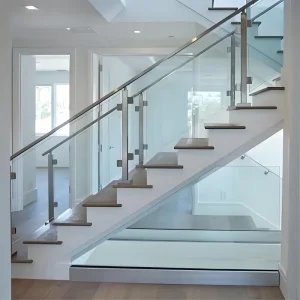
PVB is the industry standard for acoustic control, safety glazing, and UV filtration. However, SGP (SentryGlas Plus) is 5 times stronger and up to 100 times stiffer than traditional PVB. SGP is highly recommended for structural glass, balustrades without top rails, and areas prone to high wind loads or hurricane impacts, as it maintains structural stability even if the glass is broken.
Every shipment can be supplied with certified test reports confirming compliance with relevant international standards, including ANSI Z97.1 and SGCC for North America, EN 14449 for the European Union, and AS/NZS 2208 for Oceania. These certifications ensure the glass meets performance requirements for impact resistance and safety.
No, laminated glass that includes tempered components cannot be cut, drilled, or altered after fabrication. All tempering, cutting, edge polishing, and CNC drilling must be completed at our factory prior to the lamination and autoclave processes. Annealed laminated glass can be cut under strict cooling parameters, but factory-finished custom fabrication is highly recommended for best results.
We package products in heavy-duty, custom-built wooden crates with integrated steel banding. Non-adhesive, moisture-resistant powder or paper sheets are placed between each glass pane to prevent glass-on-glass abrasion and moisture staining during sea transit. We also include desiccant packs in each crate to control humidity.
To ensure cost-effective shipping and manufacturing, our standard MOQ is one 20-foot container. However, we understand that specialized commercial projects may require smaller test quantities. We can accommodate LCL (Less than Container Load) shipping configurations for qualified commercial accounts.
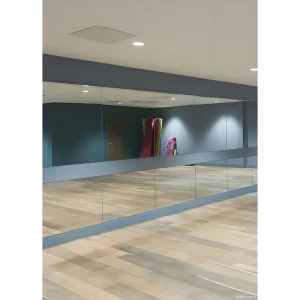
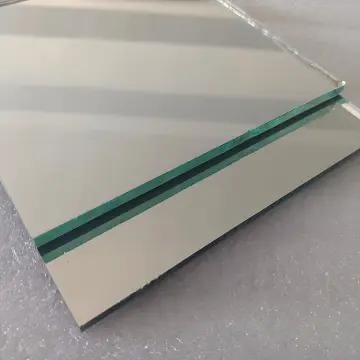
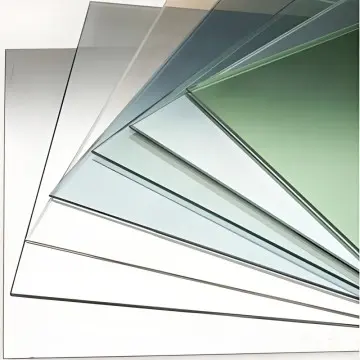
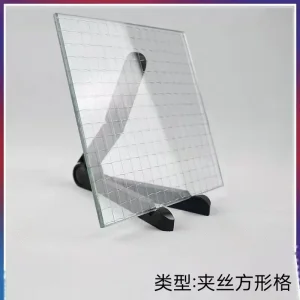
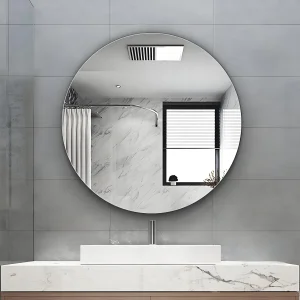
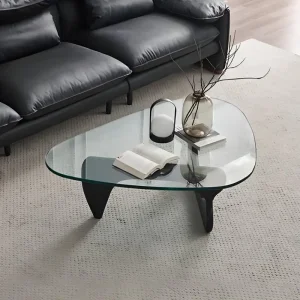
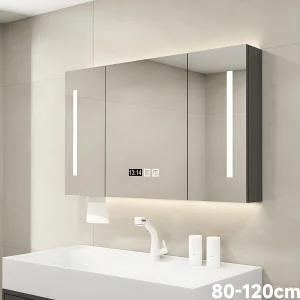
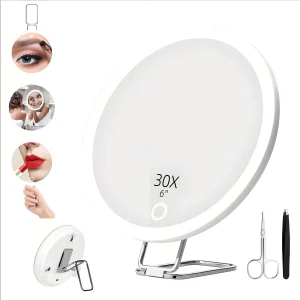
Browse our selection of specialized processing glass, architectural sheets, and customized mirror solutions.
Our dedicated technical sales engineers will review your drawings, structural specifications, and certifications to provide a detailed, itemized quote.
 Jiaerbe Glass