Explore our core range of ultra-clear glass solutions and specialized substrates.
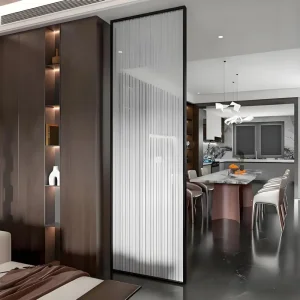
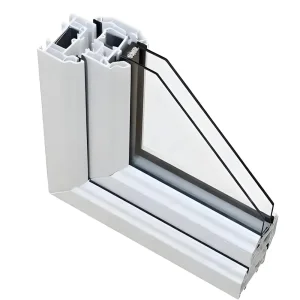
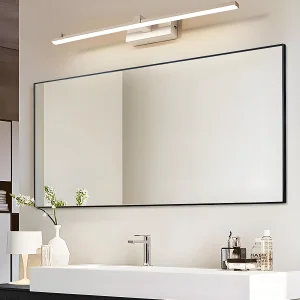
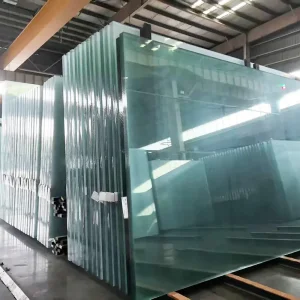
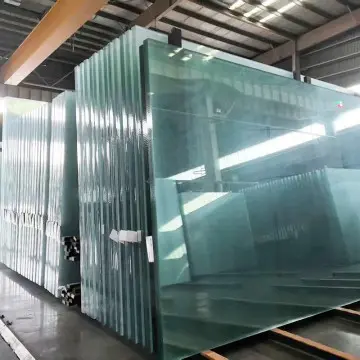
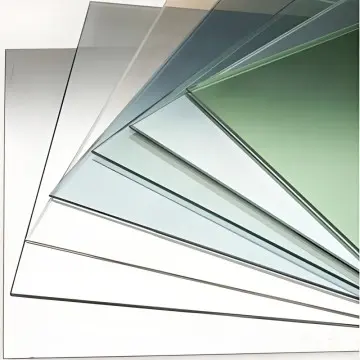
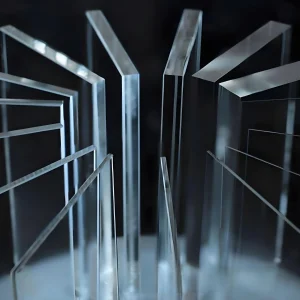
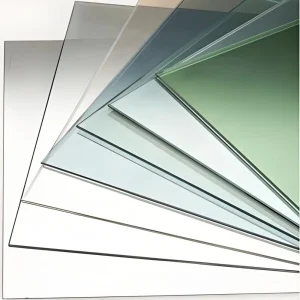
In the contemporary industrial and architectural landscape, Ultra-White Crystal Clear Low Iron Glass has transitioned from a niche luxury material to a fundamental requirement for high-performance applications. By significantly reducing the iron oxide content—typically to less than 100 parts per million (ppm)—manufacturers achieve a substrate that eliminates the characteristic "greenish tint" found in standard float glass. This results in a material that offers a light transmittance exceeding 91.5%, providing unparalleled optical clarity and color neutrality.
As a leading supplier, Suzhou Jiaerbe Glass Co., Ltd. recognizes that "quality" in low iron glass is defined by more than just visual transparency. It involves precise control over the cooling process to minimize internal stress, ensuring that the glass can be tempered, laminated, or curved without compromising its structural integrity. This deep-dive whitepaper explores why global enterprises are increasingly pivoting toward low-iron solutions for both aesthetic and functional superiority.
The global glass market has seen a tectonic shift toward Chinese manufacturing hubs, not merely due to cost-efficiency but because of integrated industrial clusters. Suzhou Jiaerbe Glass Co., Ltd. leverages this ecosystem to provide "Information Gain" to our clients—offering insights into raw material price fluctuations, energy-efficient production methods, and logistics optimization.
For global procurement managers, compliance is the ultimate trust signal. We ensure that our Ultra White Glass meets stringent international standards, including ASTM C1036 (USA), EN 572 (Europe), and AS/NZS 2208 (Australia). Our localization support includes:
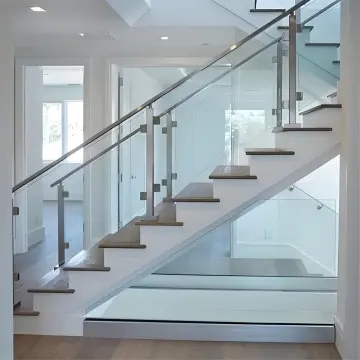
Structural glass fins, curtain walls, and skylights where maximum natural light and minimal distortion are critical for modern design aesthetics.
Low iron glass serves as the ideal substrate for solar panels, maximizing energy capture through high solar transmittance.
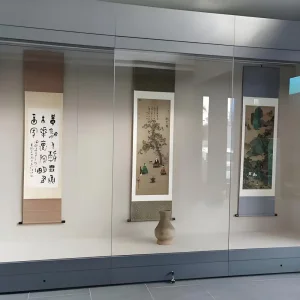
Jewelry display cases and museum exhibits require "invisible" barriers. Our ultra-white glass provides the truest color representation.
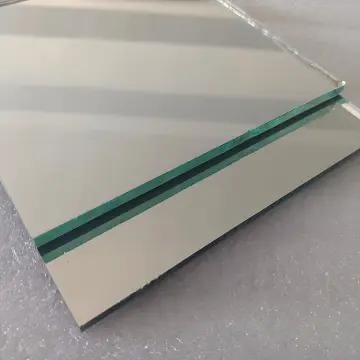
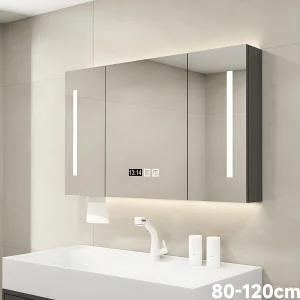
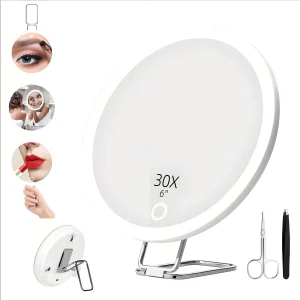
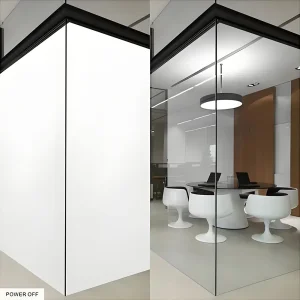
The rise of switchable glass and smart mirrors utilizes low-iron glass to ensure the electronics and film layers remain vibrant.
The industry is moving toward "Carbon Neutral Glass." By utilizing electric-melting furnace technology and increasing the ratio of recycled cullet, we are reducing the carbon footprint of our Ultra-White Glass. Furthermore, the integration of AR (Anti-Reflective) coatings on low-iron substrates is becoming a standard for the high-end display market.
Founded by Bin He (active in the industry since 2002), we integrate China’s premier glass resources to provide high-quality, competitively priced glass worldwide.
Global Cooperation
Company Establishment
Industry Experience
Annual Sales Volume
The primary difference is the iron oxide content. Standard clear glass has a green tint due to higher iron levels. Ultra-white (low iron) glass has a transparency rate of over 91% and offers true color rendering, making it ideal for retail and display applications.
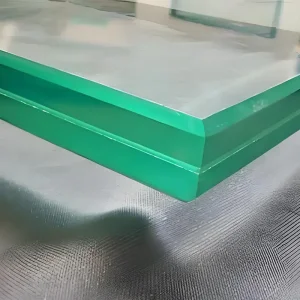
Absolutely. Low-iron glass has the same mechanical properties as standard float glass and can be fully tempered, heat-strengthened, or laminated to meet building safety codes.
We implement a multi-stage QC process: raw material screening, spectrophotometric transmittance testing during production, and final edge-quality inspections before packaging in seaworthy plywood crates.
Typically, production takes 15-20 days depending on the customization. Shipping time varies by destination (e.g., 30 days to Europe/North America, 10-15 days to Southeast Asia).
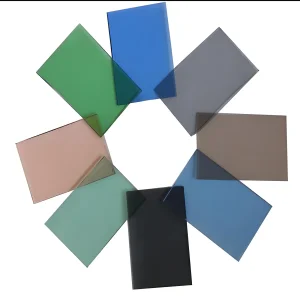
From custom switchable glass to borosilicate solutions, we cover the full industrial spectrum.
📍 Suzhou City, Jiangsu Province, China
📧 [email protected] | 📞 +86 13952430581
 Jiaerbe Glass