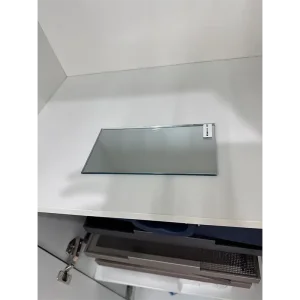
Explore our premium product portfolio designed for structural reliability, optical clarity, and energy efficiency. Retaining full-scale original manufacturing configurations.
A comprehensive guide for procurement specialists, structural engineers, and facade consultants looking to source custom laminated glass.
Laminated safety glass has become the cornerstone of modern architectural, industrial, and transportation design. By bonding two or more layers of glass with high-durability polymeric interlayers under controlled heat and pressure, manufacturers create a composite material that resists impact, prevents shattering, and provides superior acoustic and solar attenuation.
When sourcing custom laminated glass, analyzing the exact technical data sheet is critical to ensuring architectural safety, building code compliance, and structural longevity. A standard specifications sheet details structural tolerance, flexural strength under wind load, optical transmittance indices, and acoustic dampening capacity.
Different applications require different combinations of substrate materials (such as clear float, low-iron, anti-reflective, or tempered glass) and interlayer technologies. Selecting the correct interlayer—be it standard Polyvinyl Butyral (PVB), structural SentryGlas (SGP), or moisture-resistant Ethylene-Vinyl Acetate (EVA)—dictates how the composite glass performs under extreme mechanical stressors and environmental exposure.
To aid design engineers in structural modeling, the table below provides a detailed comparison of mechanical properties, thermal stability, and optical characteristics across the primary interlayer types used in custom laminated glass manufacturing.
| Performance Characteristic | Standard PVB (Polyvinyl Butyral) | Structural SGP (Ionoplast/SentryGlas) | EVA (Ethylene-Vinyl Acetate) | Acoustic PVB (Multi-layer Dampening) |
|---|---|---|---|---|
| Tensile Strength (MPa) | 20 MPa | 34.5 MPa | 15 - 19 MPa | 12 - 15 MPa |
| Shear Modulus (MPa at 20°C) | ~1.5 - 2.5 MPa | ~150 - 180 MPa | ~0.8 - 1.2 MPa | ~0.5 - 0.9 MPa |
| Post-Glass Breakage Load Bearing | Low (Folds under own weight) | Excellent (Remains rigid/structural) | Moderate | Very Low |
| Moisture Resistance | Moderate (Requires edge sealing) | High (No delamination in open edges) | Excellent (Perfect for damp environments) | Moderate |
| UV Transmittance (280-380nm) | < 1% (Excellent UV block) | < 1% | < 2% | < 0.5% |
| Sound Transmission Loss (STC) | 35 - 38 dB | 33 - 35 dB | 34 - 36 dB | 40 - 44 dB (Enhanced dampening) |
| Primary Application Areas | High-rise facades, internal balustrades | Hurricane glazing, glass floors, canopy | Outdoor balustrades, PV modules, smart glass | Recording studios, airport hotels, facades |
As sustainability regulations and energy conservation mandates tighten across the EU, North America, and Australia, procurement models for laminated glass have shifted dramatically. Buyers are no longer purchasing commodity products based on price alone; instead, they prioritize manufacturers capable of providing detailed Environmental Product Declarations (EPDs), carbon footprint metrics, and exact, verified performance data sheets.
Key global procurement drivers include:
Our top-selling products engineered to meet demanding structural and optical performance specifications.
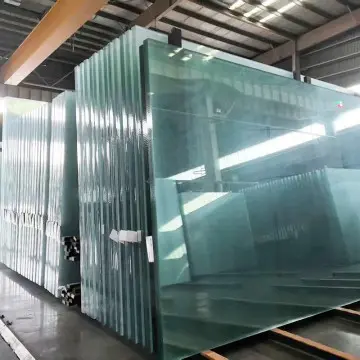
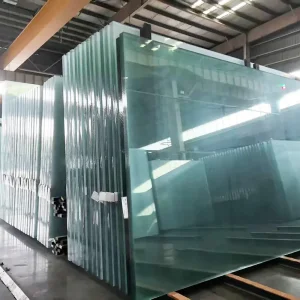
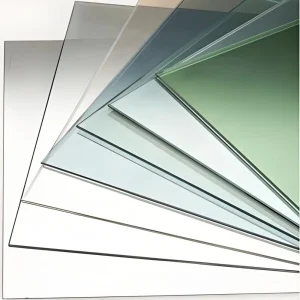
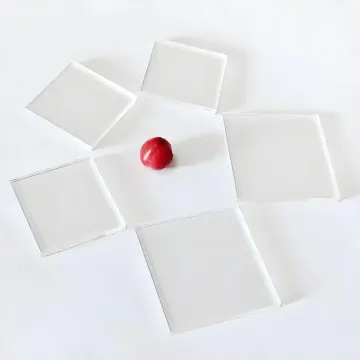
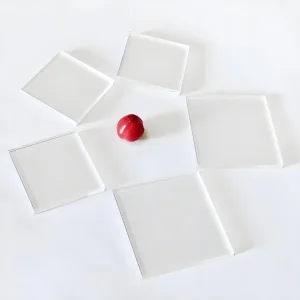
High light transmission and optical uniformity for laminated glass substrates.
See More
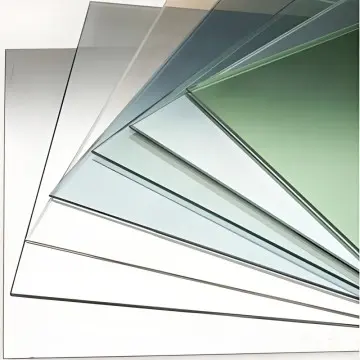
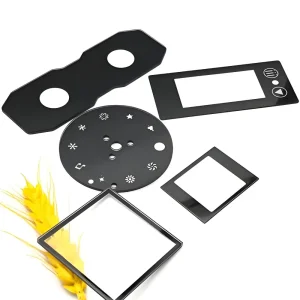
Significantly reduces reflection to improve display clarity and solar transmittance.
See More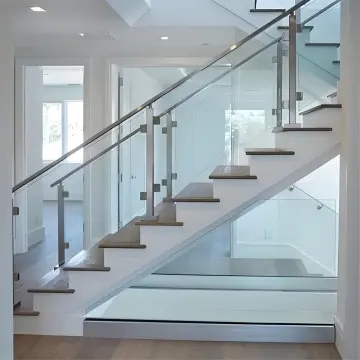
Safety glass processed by controlled thermal treatments to increase mechanical strength.
See MoreLow-iron formulation providing maximum light transmittance, eliminating the green tint characteristic of standard float glass. Perfect for museum displays, architectural structures, and solar collectors.
Explore Ultra White Options
Suzhou Jiaerbe Glass Co., Ltd. is a leading professional glass sheet manufacturer and processing glass supplier based in China. Founded by Bin He, a veteran who has worked directly in the glass manufacturing industry since 2002, the company was established with a strategic vision: to integrate China’s premier glass resources and supply highly competitive, high-performance glass to architectural, decorative, and industrial clients worldwide.
For more than two decades, we have continuously optimized our laminating autoclave systems, processing tolerances, and quality control frameworks. Our dedication to technical innovation allows us to deliver laminated glass configurations that meet strict safety, structural, acoustic, and thermal requirements.
Our Complete StoryOffering raw and processed sheet glass solutions specialized for architectural design, smart systems, and custom mirror backings.
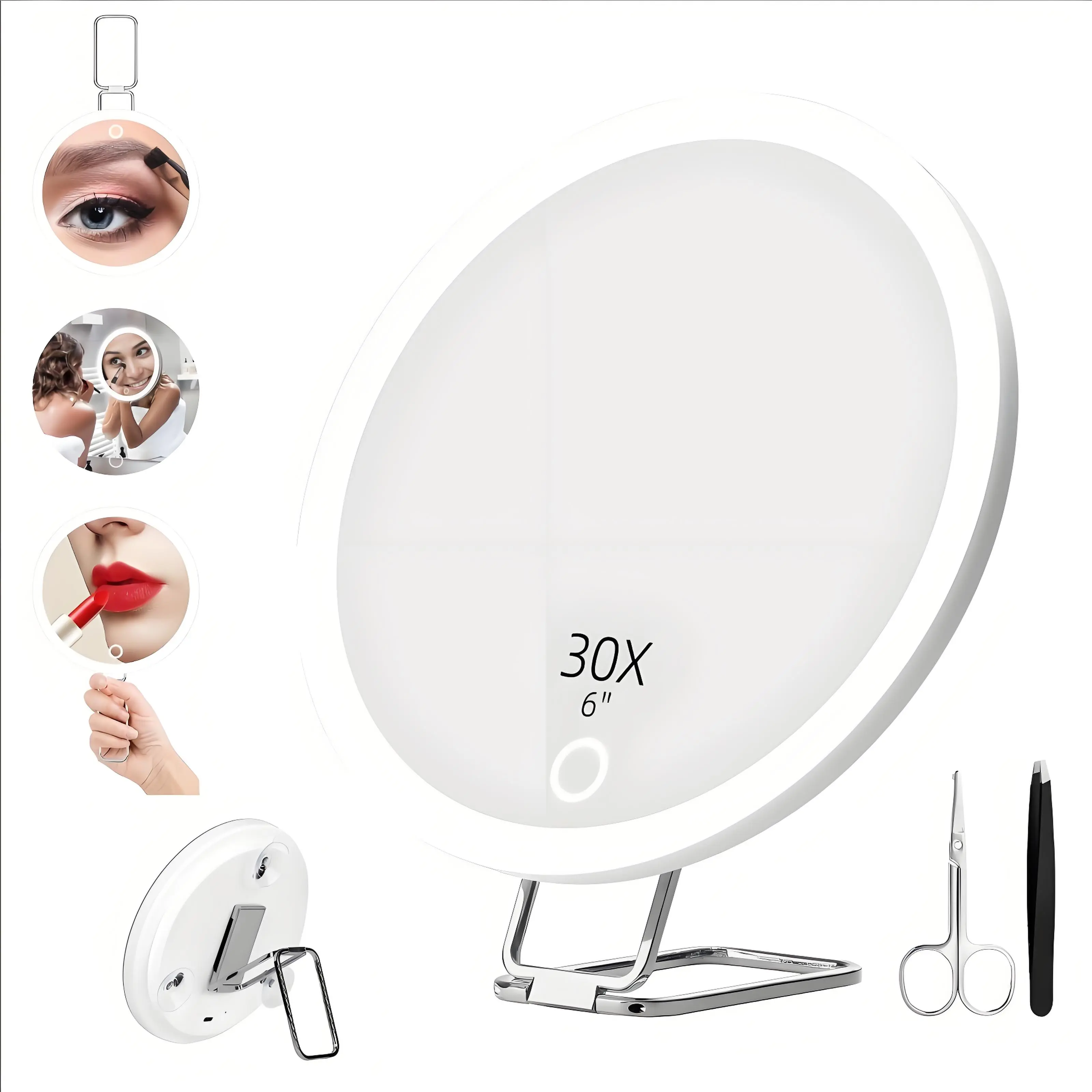
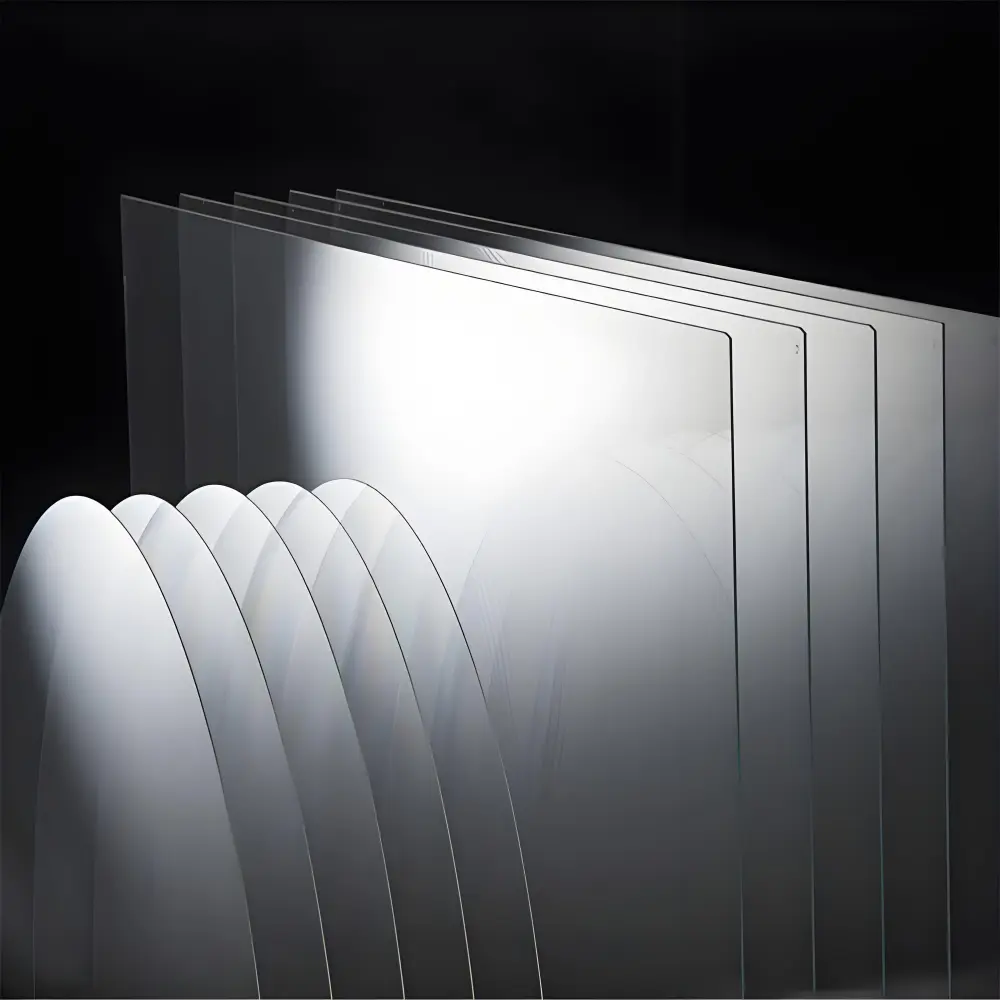
High-grade base glass sheets ready for laminating, tempering, and coating processes.
View Category
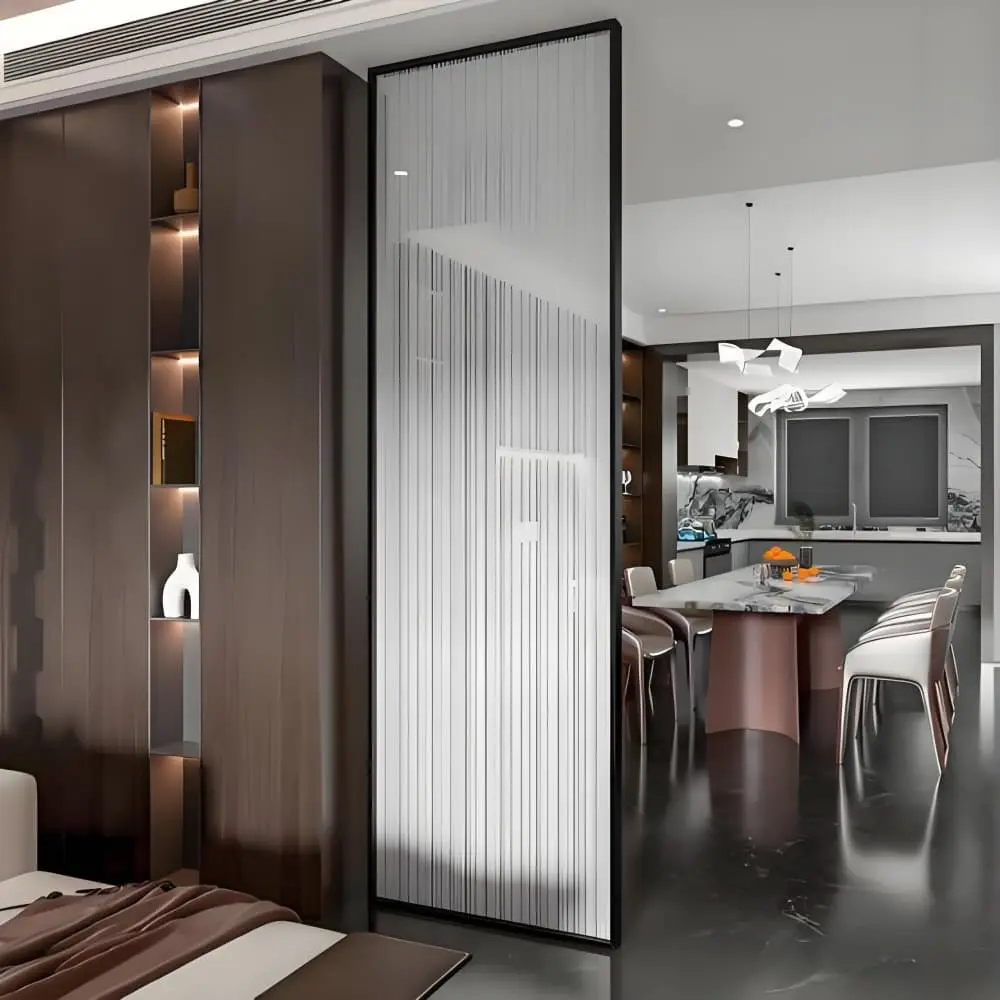
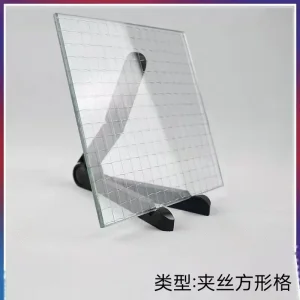
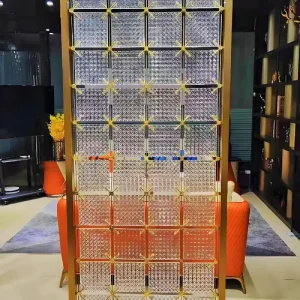
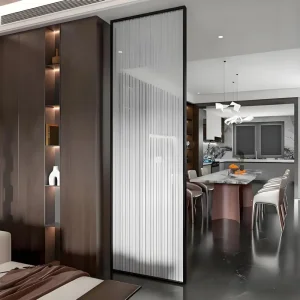
Tailor-made patterns, acid-etched frostings, and decorative mesh interlayers.
View Category

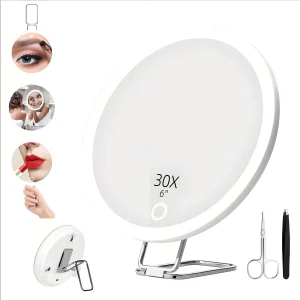
Beveled edge details, silvering, copper-free backing, and LED integration.
View Category
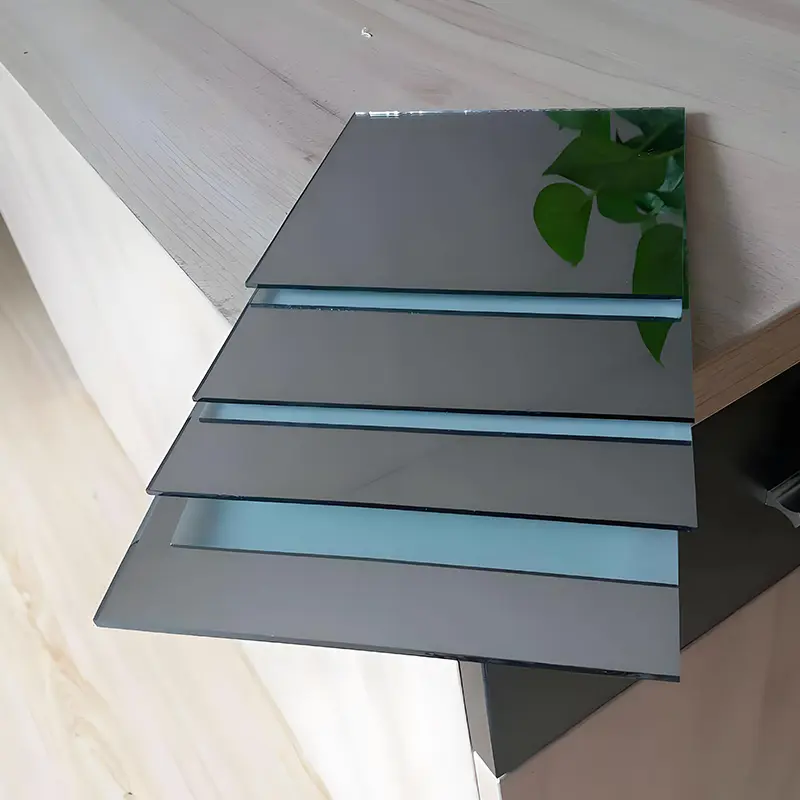
Explore PDLC switchable technologies, acoustics, wired protection, and reflective coatings.
Analyzing key advancements in laminated glass manufacturing, integration of electronics, and structural calculation principles.
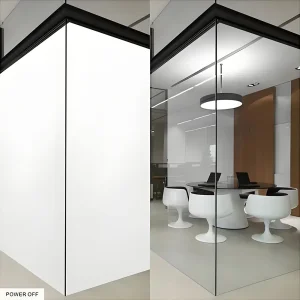
The traditional role of laminated glass is shifting from passive structural protection to active environmental management. Advanced companies are integrating PDLC (Polymer Dispersed Liquid Crystal) and electrochromic film layers directly inside the laminate composite. This allows structural glass panels to dynamically switch from transparent to translucent under an electrical current, answering the call for privacy and shading control in modern commercial offices and facade configurations.
To prevent localized delamination and bubble formation—common failure modes in laminated safety glass exposed to UV radiation and thermal cycling—manufacturing lines employ precise multi-stage processing:
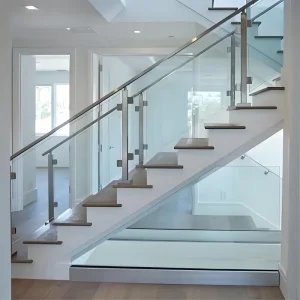
Edge delamination occurs when external environmental moisture reacts with the polyvinyl butyral interlayer, breaking down the chemical bond between the glass and the polymer. Structural engineers prevent this by utilizing SGP (SentryGlas) for frameless balustrades, glass fins, and exterior canopies. As detailed in the comparative data sheet, SGP exhibits a shear modulus up to 100 times higher than PVB and remains virtually impervious to atmospheric moisture exposure even when the laminated glass edges are left entirely exposed to the elements.
Suzhou Jiaerbe Glass Co., Ltd. is committed to providing global clients with comprehensive glass solutions, competitive prices, and reliable technical support.
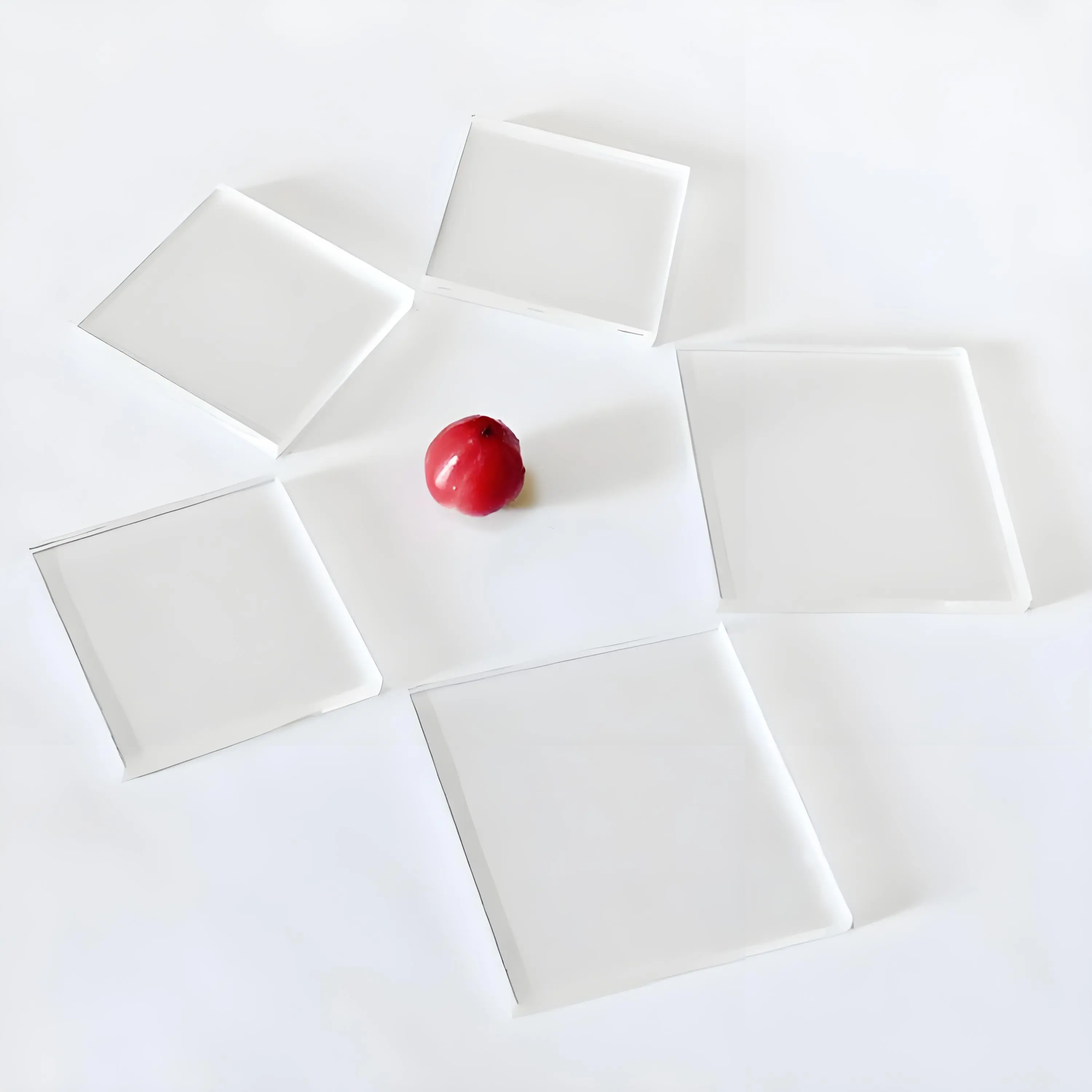
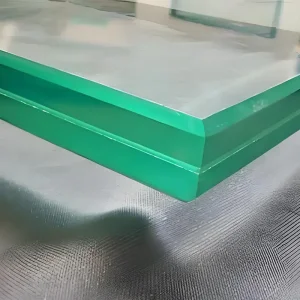
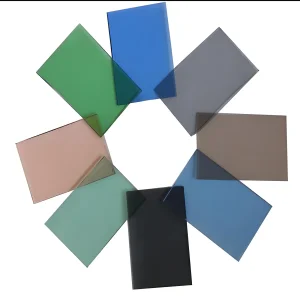
High-durability safety laminations engineered for building envelopes, solar control, and impact protection.
Read More
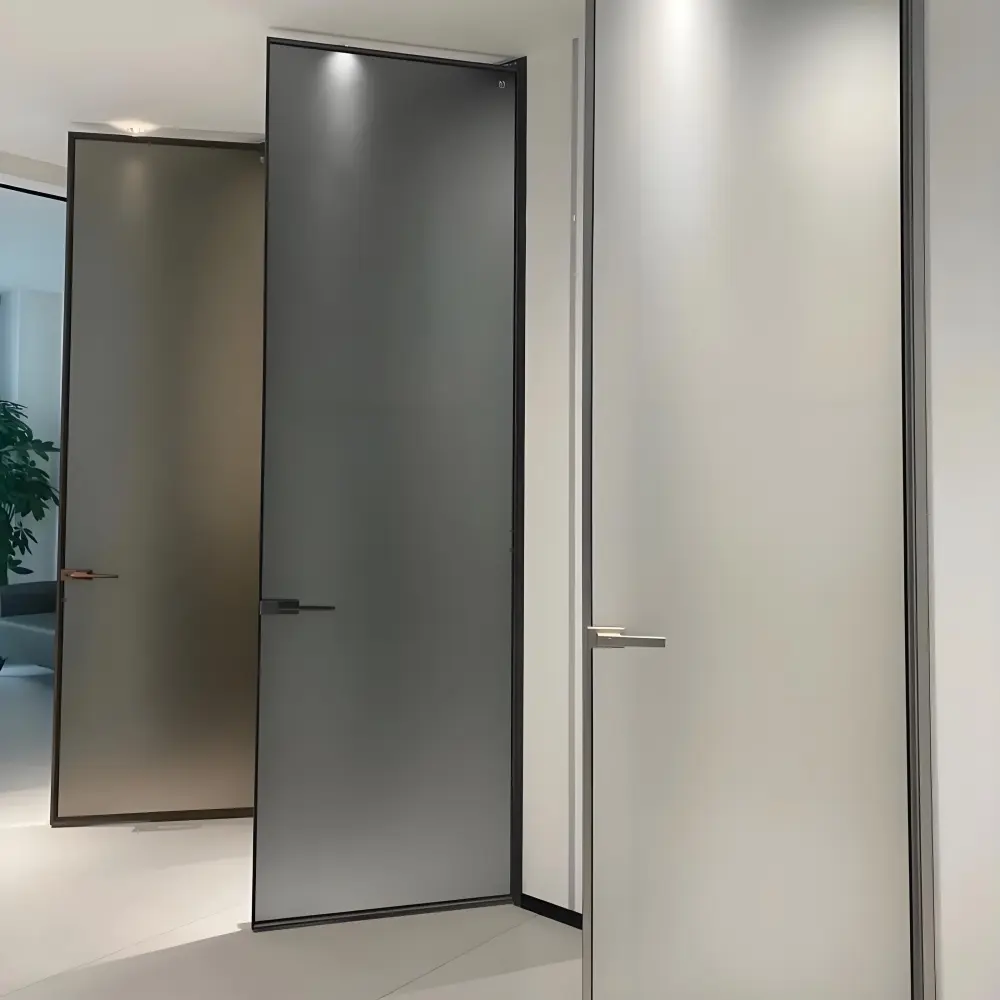
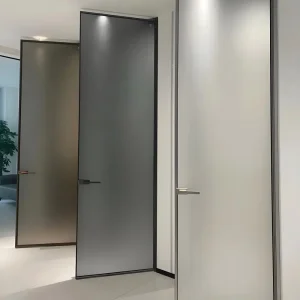
Custom printed glass, pattern laminates, switchable panels, and high-clarity shelves for modern interior design.
Read More
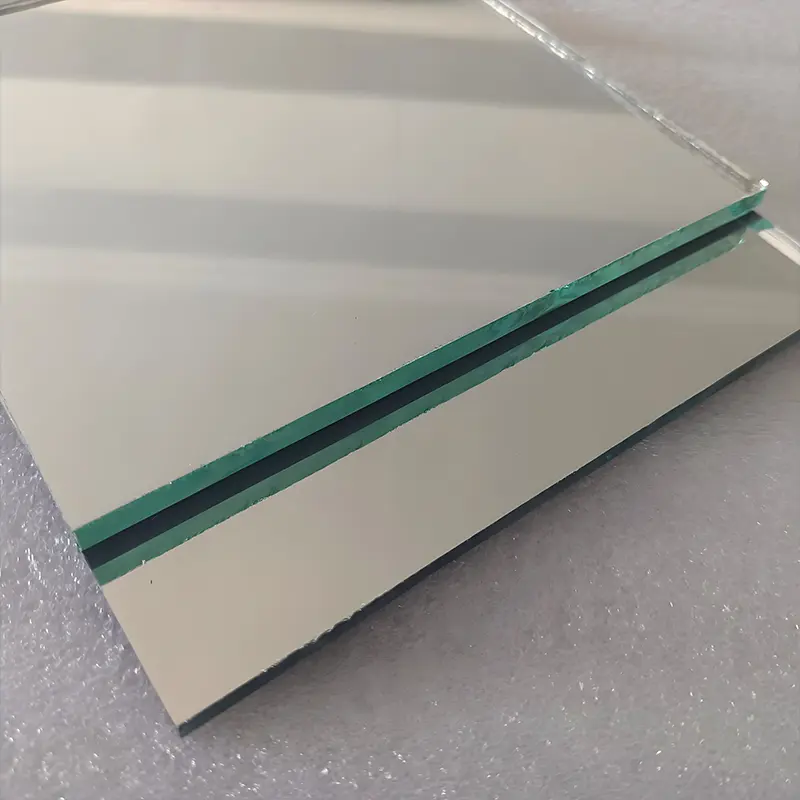
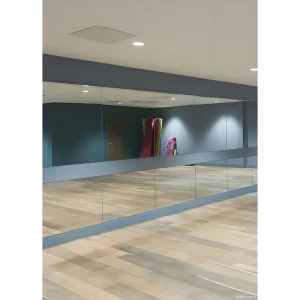
Advanced silvering mirrors, copper-free ecological backing, safety backings, and customized outline cuts.
Read More
Ensuring architectural safety, mechanical integrity, and legal compliance across North America, Europe, and Asia-Pacific.
Architectural glass applications are governed by strict safety regulations. Sourcing from a reliable, verified supplier ensures that the structural laminated glass sheets comply with standard codes:
Every batch of laminated glass is subjected to internal quality testing prior to dispatch:
Stay informed with the latest updates from Suzhou Jiaerbe Glass Co., Ltd., including technological breakthroughs, production capacity expansions, and industry conferences.
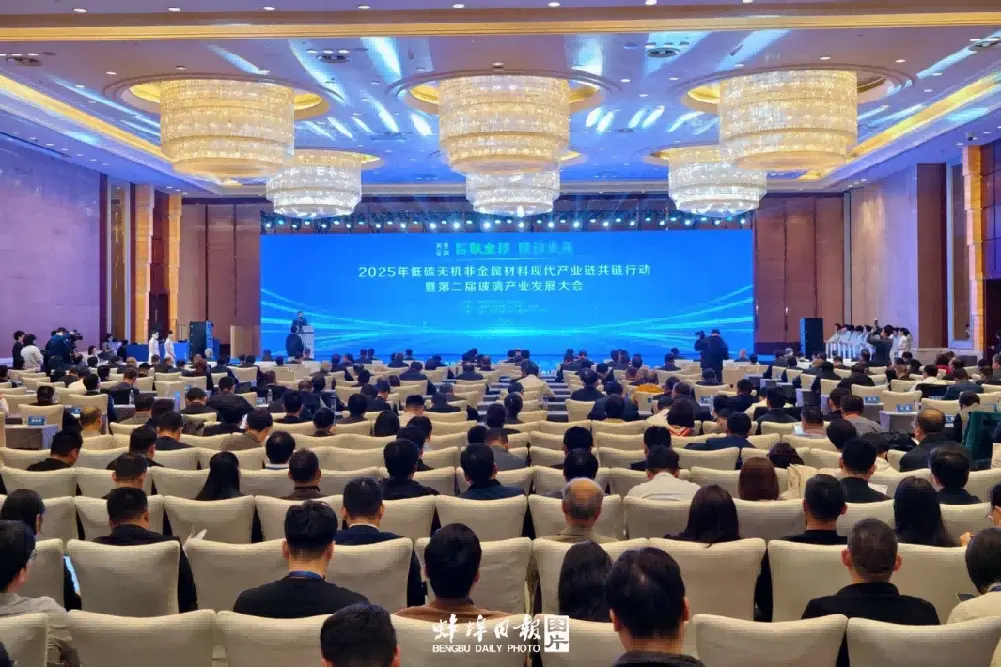
Jiaerbe delegates attended key panel discussions regarding green manufacturing and the future of structural glass lamination technology.
Read Article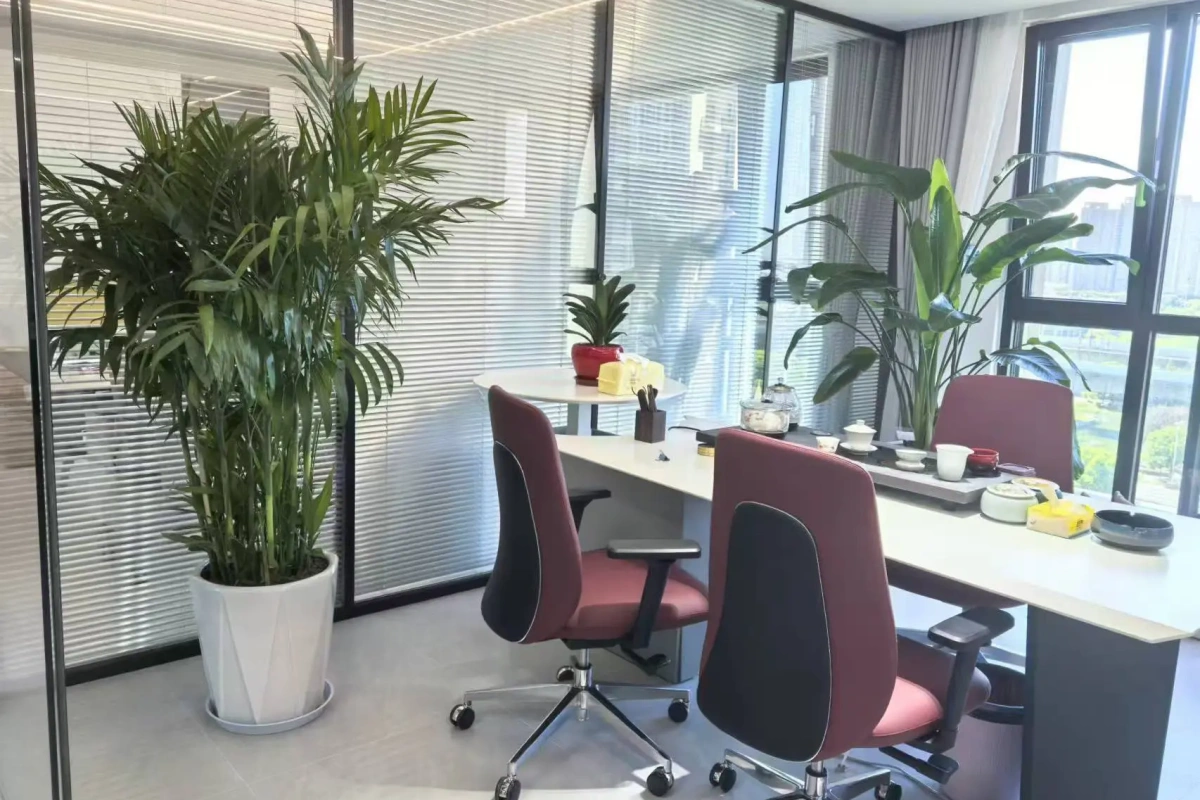
Forging strategic supply relationships with top float glass suppliers to guarantee stable raw material sheets for high-volume custom lines.
Read Article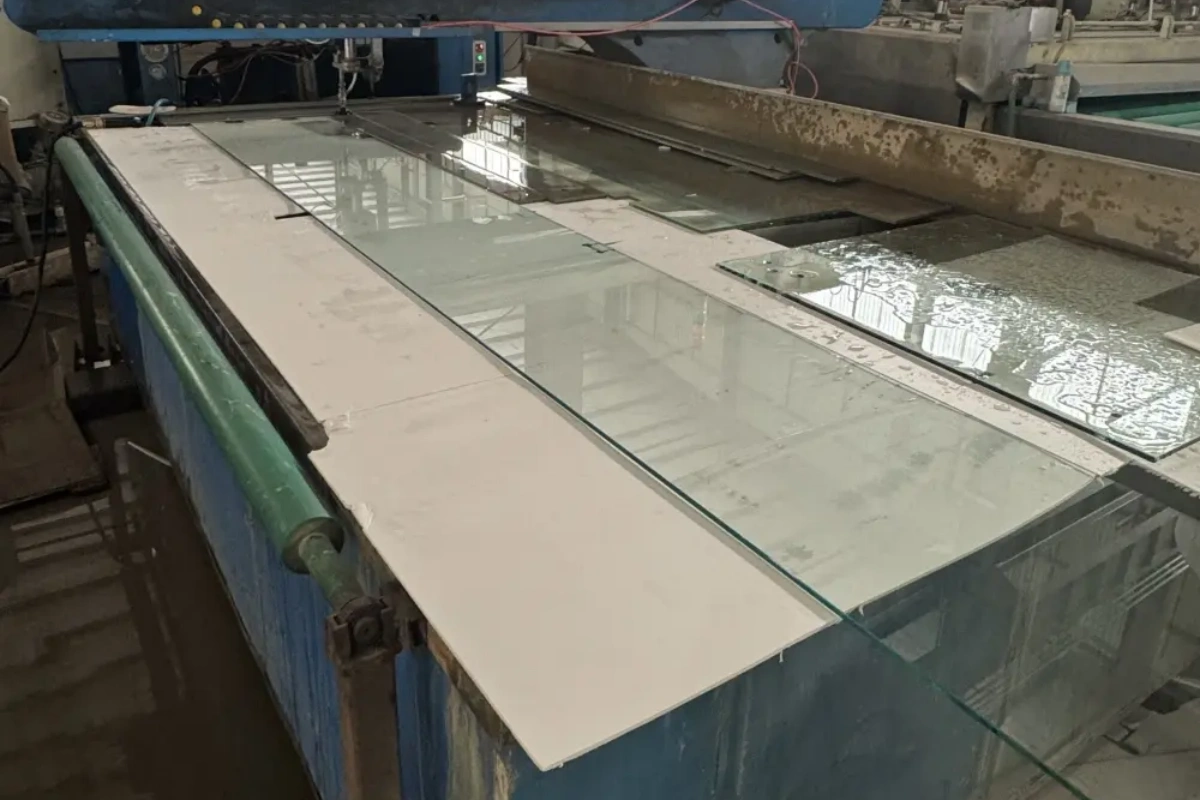
Enhancing logistics, customized design assistance, and after-sales support to offer seamless supply chain management for global buyers.
Read ArticleGet answers to critical mechanical, structural, and shipping inquiries directly from our engineering team.
For specific inquiries regarding custom laminated glass specifications, bulk pricing, or technical data sheets, contact us today.
Direct supply routes, validated packaging systems, and structural certification compatibility. Retaining full-scale original manufacturing configurations.
 Jiaerbe Glass