Engineered to deliver exceptional mechanical strength, optical clarity, and weather resilience. Choose specialized profiles designed for industrial applications and commercial greenhouses.
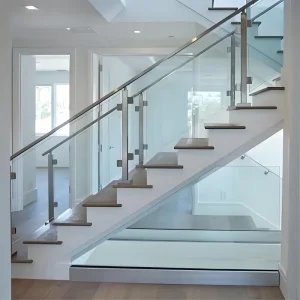
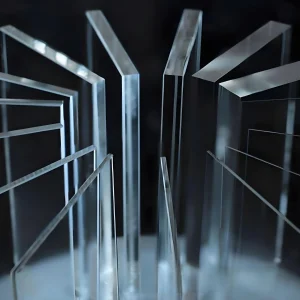
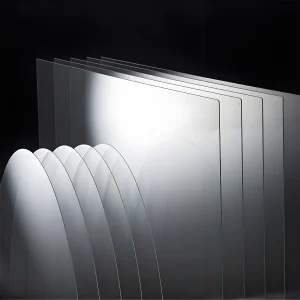
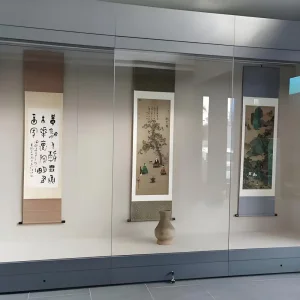
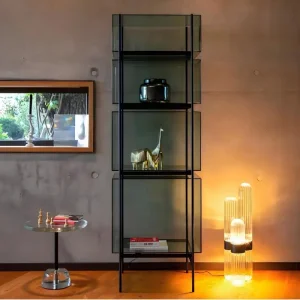
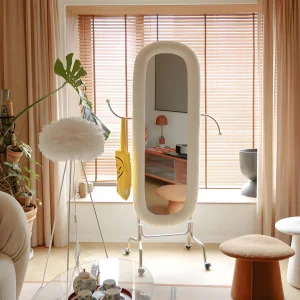
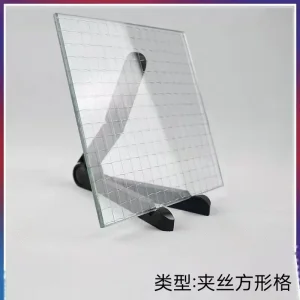
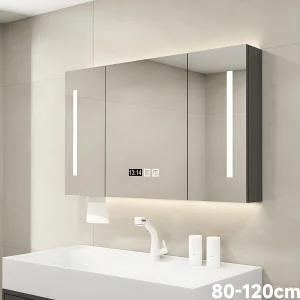
The global horticulture sector is undergoing a profound structural transition. Traditional low-tech poly-tunnels are rapidly being replaced by high-span, automated glass greenhouses that offer precise climate control. Within this modern layout, the glass envelope functions as a dynamic system controller rather than just a physical barrier. Greenhouse safety glass panels are essential engineering components that balance mechanical safety with light transmission.
To address these changing demands, contemporary greenhouse projects require customized glass processing technologies. Standard annealed glass is vulnerable to thermal breakage from uneven shadowing and mechanical loads. Using advanced glass technologies—specifically tempered, laminated, and insulating glass panels—allows greenhouse builders to construct projects with high safety standards and optimal structural durability.
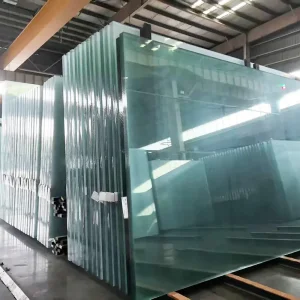
Choosing tempered glass sheets reduces structural weight, enabling lighter steel frames and lowering initial installation costs.
Ultra-white float glass features low iron content, allowing high light transmittance to support photosynthesis and accelerate plant growth cycles.
Tempered safety glass fractures into tiny, blunt pieces, preventing serious injury to staff and protecting internal hydroponic systems.
Suzhou Jiaerbe Glass Co., Ltd. processes flat glass materials to meet diverse architectural and interior specifications.

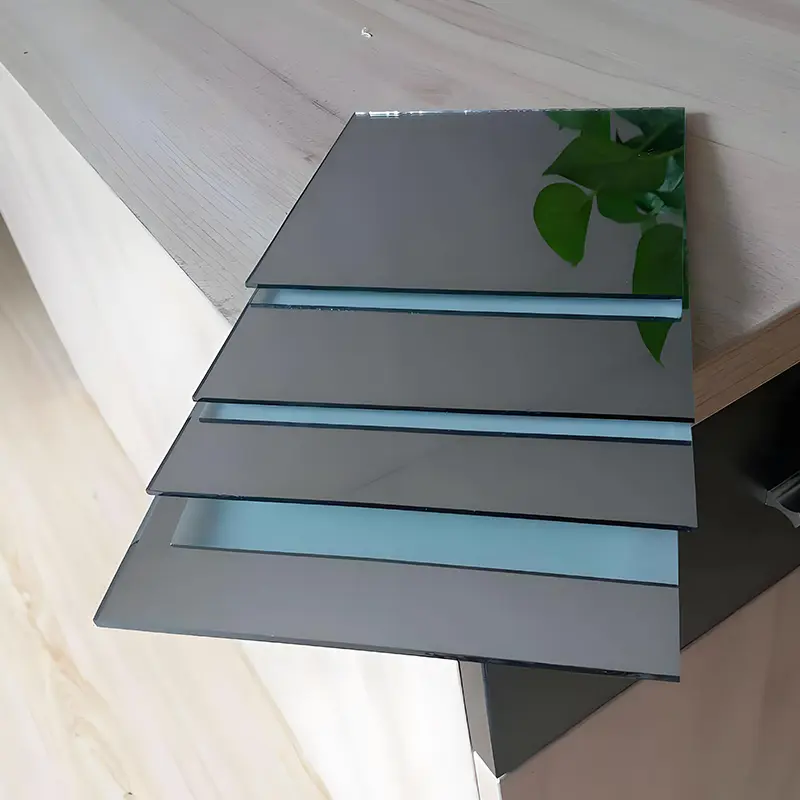
Greenhouse farming requirements vary significantly by region due to diverse climatic conditions and local building codes. In North America (particularly the US Midwest and Canadian provinces), greenhouse structures must withstand high wind loads and heavy seasonal snow accumulation. Consequently, developers utilize ASTM C1048-compliant heat-treated tempered glass, which provides four times the mechanical strength of standard float glass.
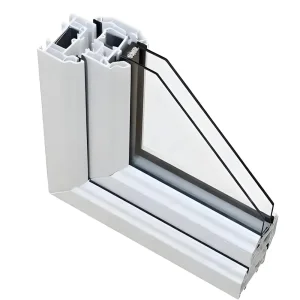
In Europe, where rising energy prices directly impact operating margins, the focus is on thermal insulation. Insulating Glass Units (IGU) featuring low-emissivity (Low-E) coatings and argon gas fills help minimize conductive heat loss during winter. Meanwhile, in coastal regions of Australia and South America, agricultural projects require robust laminated safety glass to defend against seasonal storms and heavy hail.
China-based manufacturing centers offer large-scale, cost-effective production of these customized safety glass styles. By optimizing raw material sourcing and employing modern tempering systems, Chinese manufacturers supply international projects with high-quality glazing solutions.
Founded by Bin He, who has worked in the glass manufacturing and processing industry since 2002, Suzhou Jiaerbe Glass Co., Ltd. was established to consolidate glass resources and supply high-quality glass products to international markets.
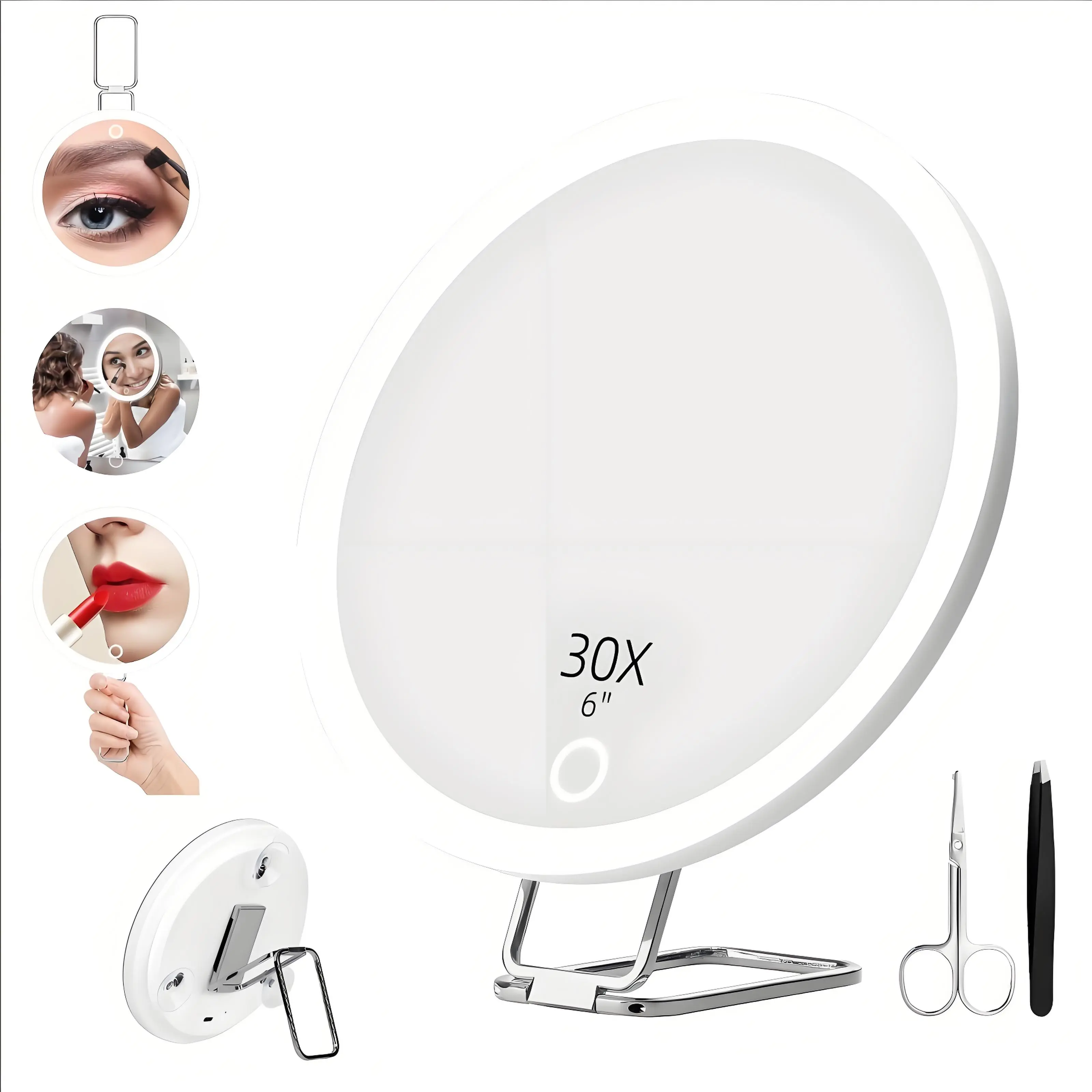
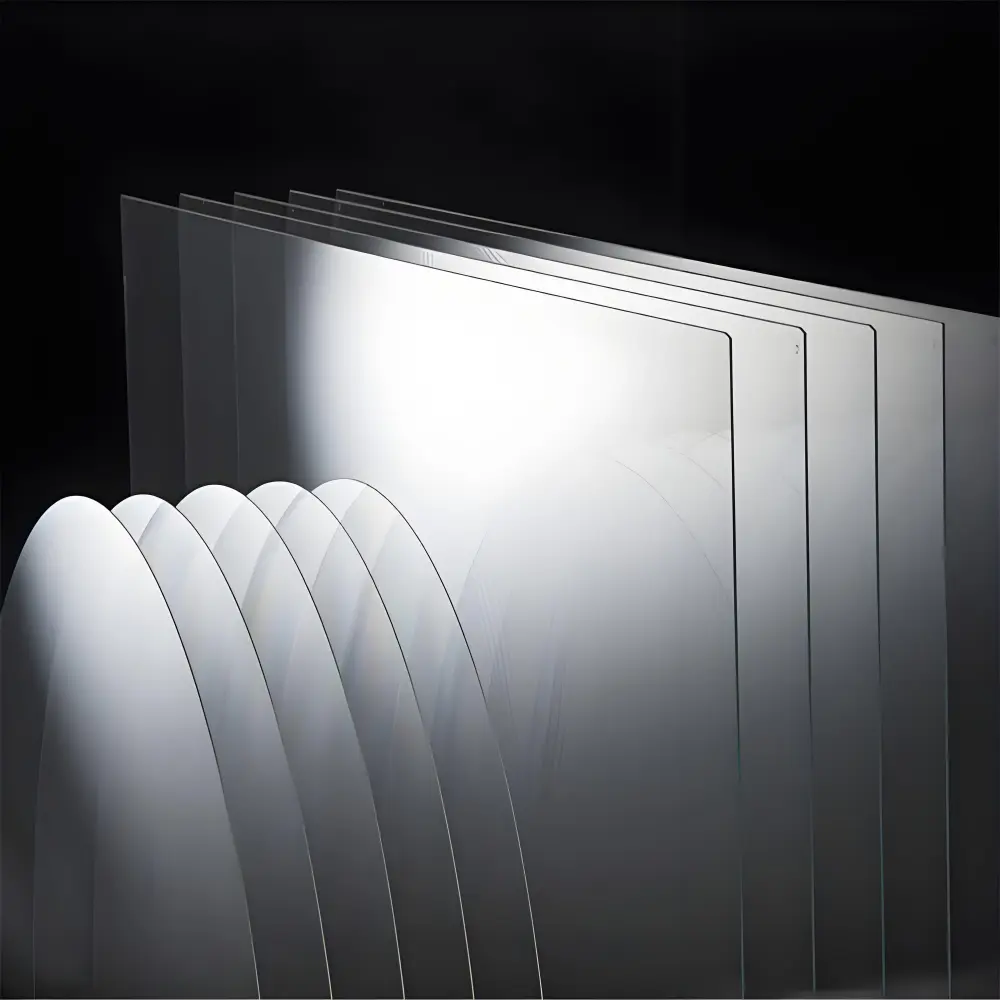
Our product lines include premium float glass sheets, tempered safety glass, borosilicate glass, mirror sheets, and customized processing services. By combining deep industry expertise with reliable supply chain management, we deliver tailormade solutions that address regional compliance standards and complex project requirements.
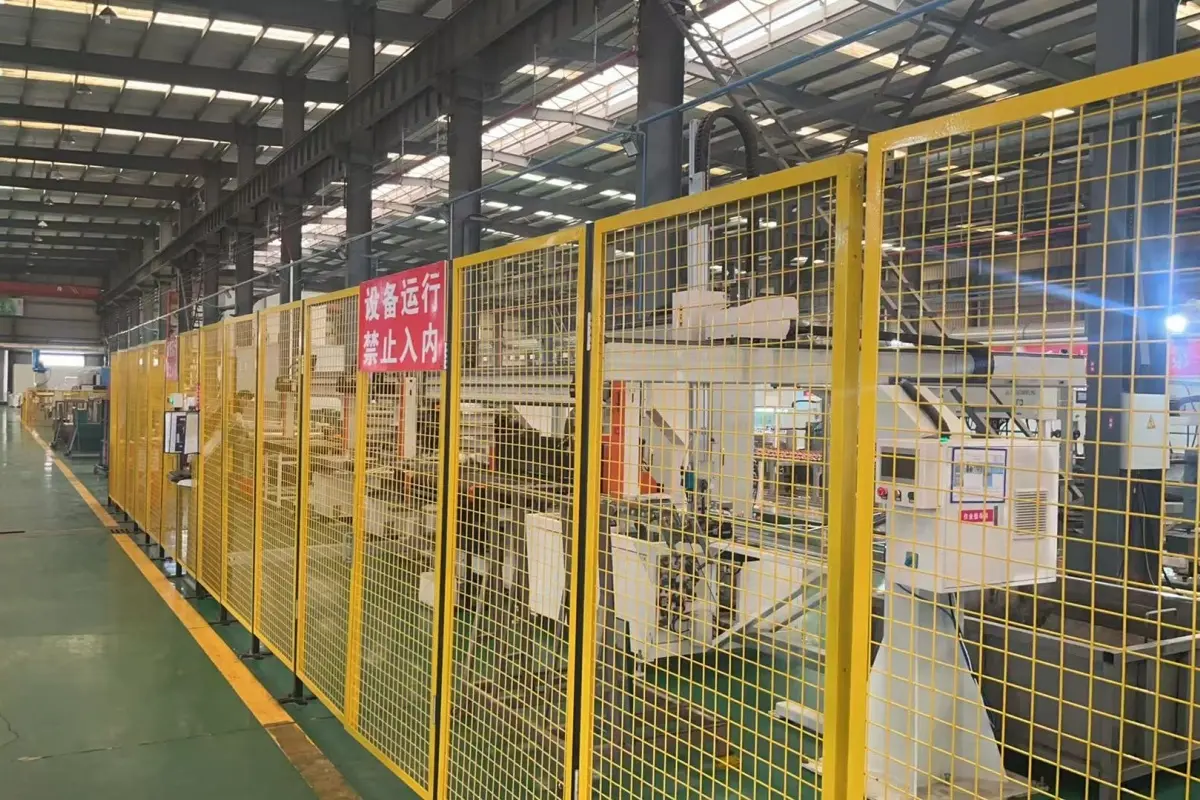
To achieve high durability, glass configurations must match the specific challenges of each installation site:
For large-scale leafy green and tomato farms, using ultra-white diffuse glass with double anti-reflective (AR) coatings helps scatter sunlight, reducing hot spots and improving coverage of lower leaves.
Farms located in sub-arctic regions benefit from double-glazed insulating glass filled with argon. This setup preserves thermal energy, reducing the cost of artificial heating during winter.
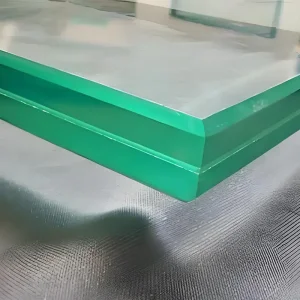
Urban installations require safety glass that meets municipal building codes. Laminated safety glass keeps broken fragments adhered to the PVB or SGP interlayer, preventing glass fall hazards.
Engineered options designed for high light transmission, structural strength, and reliable long-term performance.
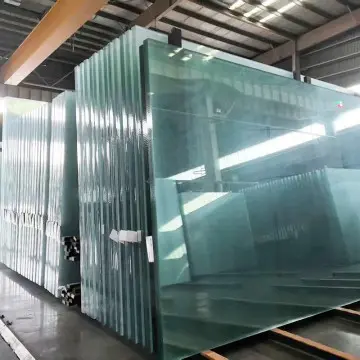
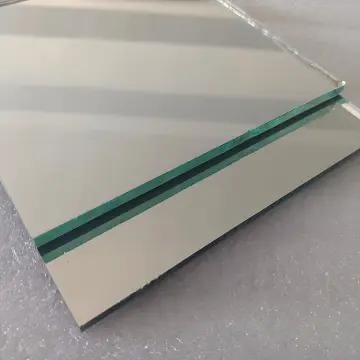
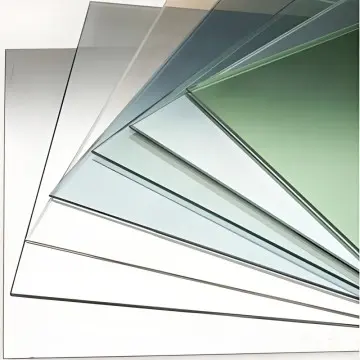
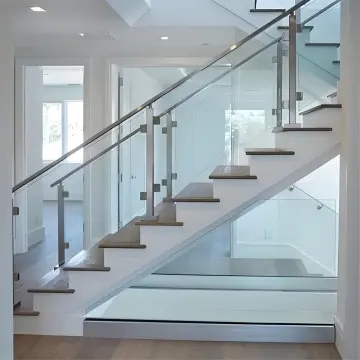

Industrial safety glass panels must comply with local regulatory frameworks and building codes. Before ordering safety glazing, structural engineers review certification documents to verify under-load resistance, impact deflection values, and shatter patterns.
Key international standards for safety glass include:
The standard safety certification for the North American market. It verifies impact safety and thermal tempering standards to reduce safety risks.
The European standard for thermally toughened soda lime silicate safety glass, requiring specific fragment-count tests during breakage.
The certification required for Australia and New Zealand, testing structural performance under high wind pressure and severe hail storms.
The greenhouse industry is evolving to incorporate smart materials and power-generating glass options:
Self-Cleaning and Hydrophobic Coatings: Titanium dioxide (TiO₂) and silica-based coatings utilize UV rays to break down organic dirt and rainwater to wash away residue. This helps maintain high light transmission levels and reduces the need for frequent cleaning.
Building Integrated Photovoltaics (BIPV): Semi-transparent solar cells integrated directly into safety glass panels generate electrical power while allowing sufficient light transmission for photosynthesis. This technology supports off-grid greenhouse operations.
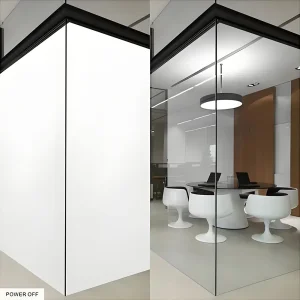
Dynamic Shading Glass: Electrochromic and thermochromic glass panels adjust their opacity in response to temperature or light changes, helping to stabilize internal temperatures without mechanical shades.
We support agricultural and architectural projects through high-quality materials and customized glass processing.

Standard float glass sheets available in various thicknesses and custom cut-to-size dimensions.
Learn More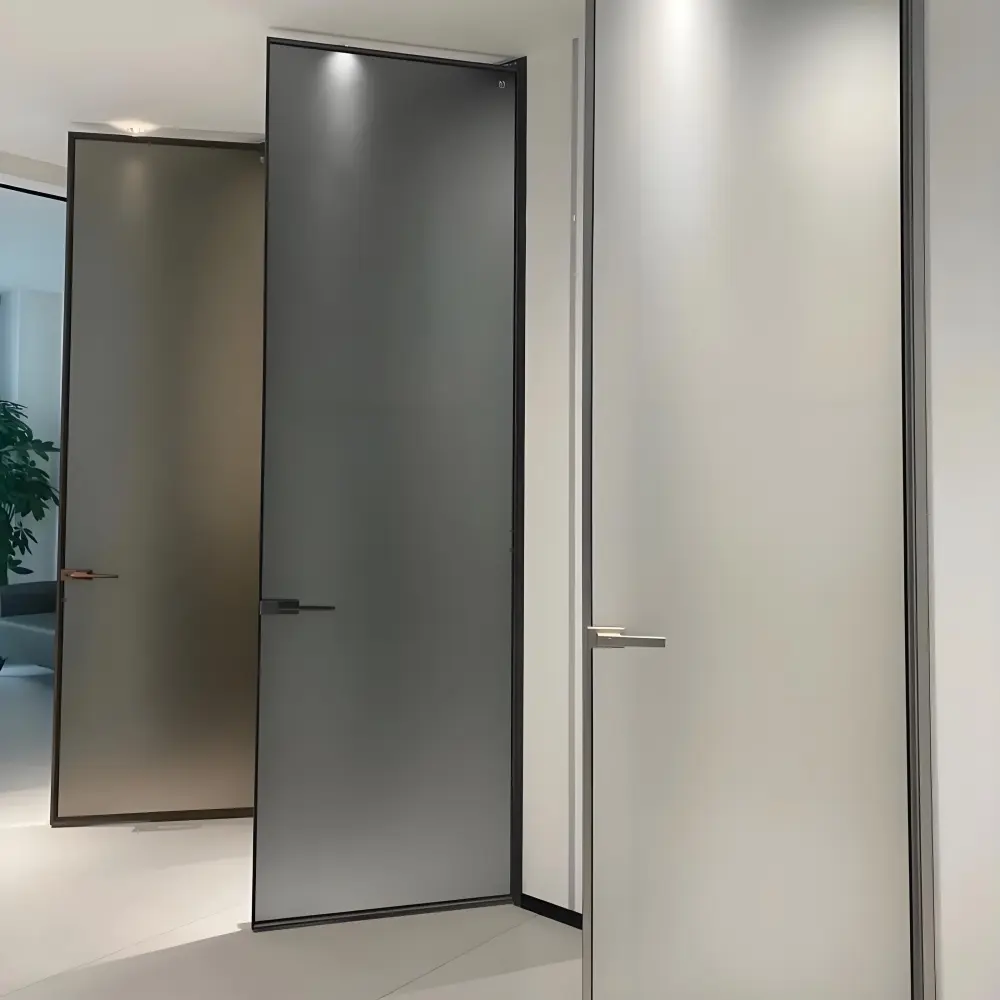
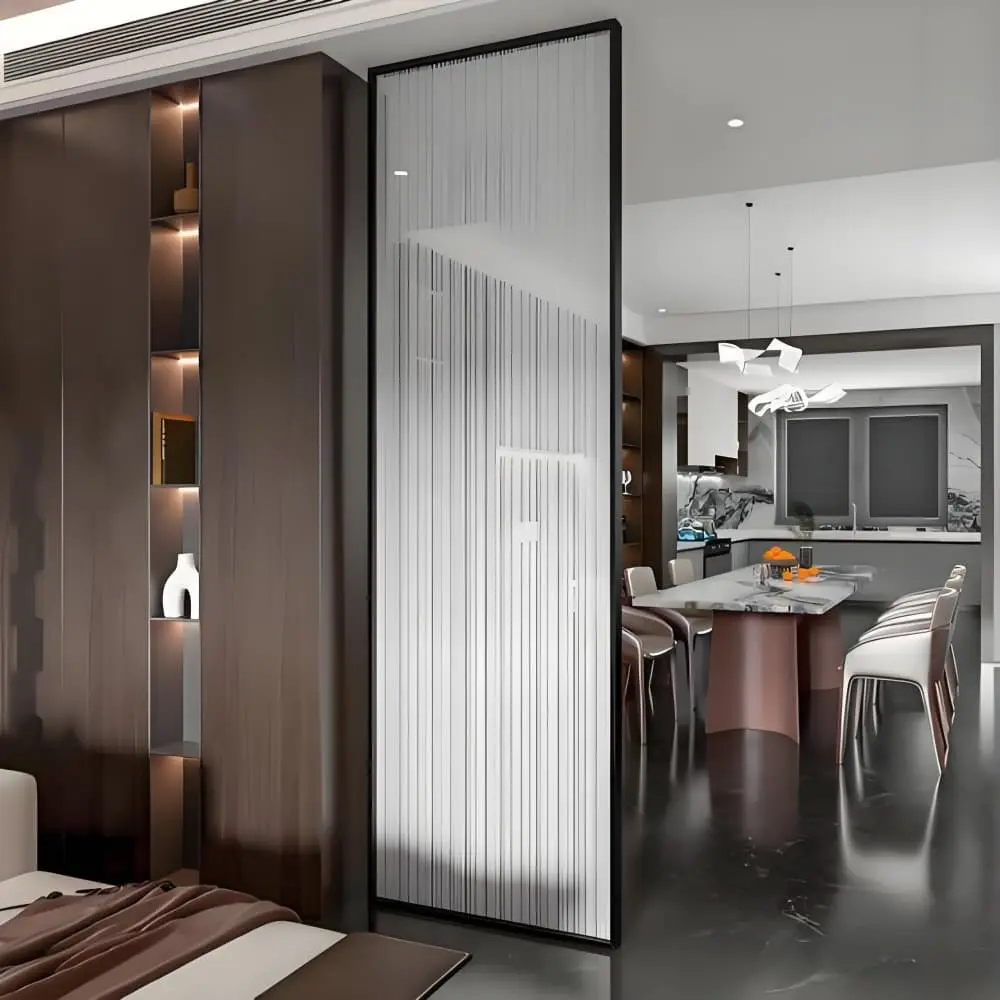
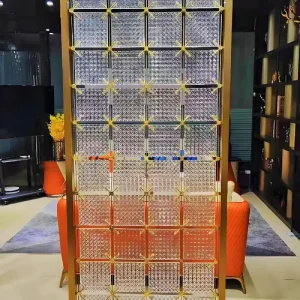
Toughened, silk-screen printed, and decorative glass panels processed for custom specifications.
Learn More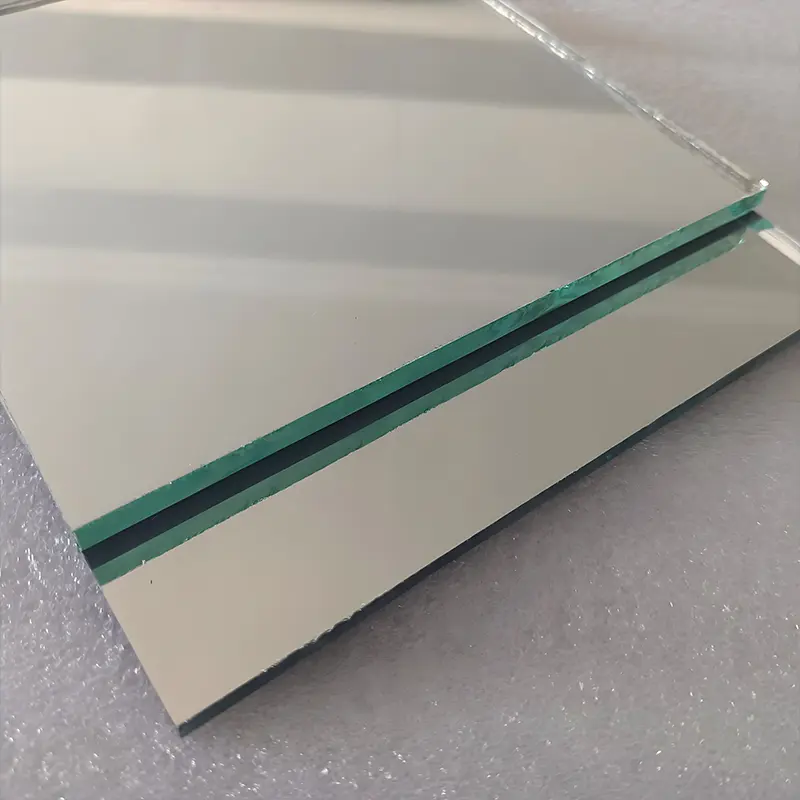
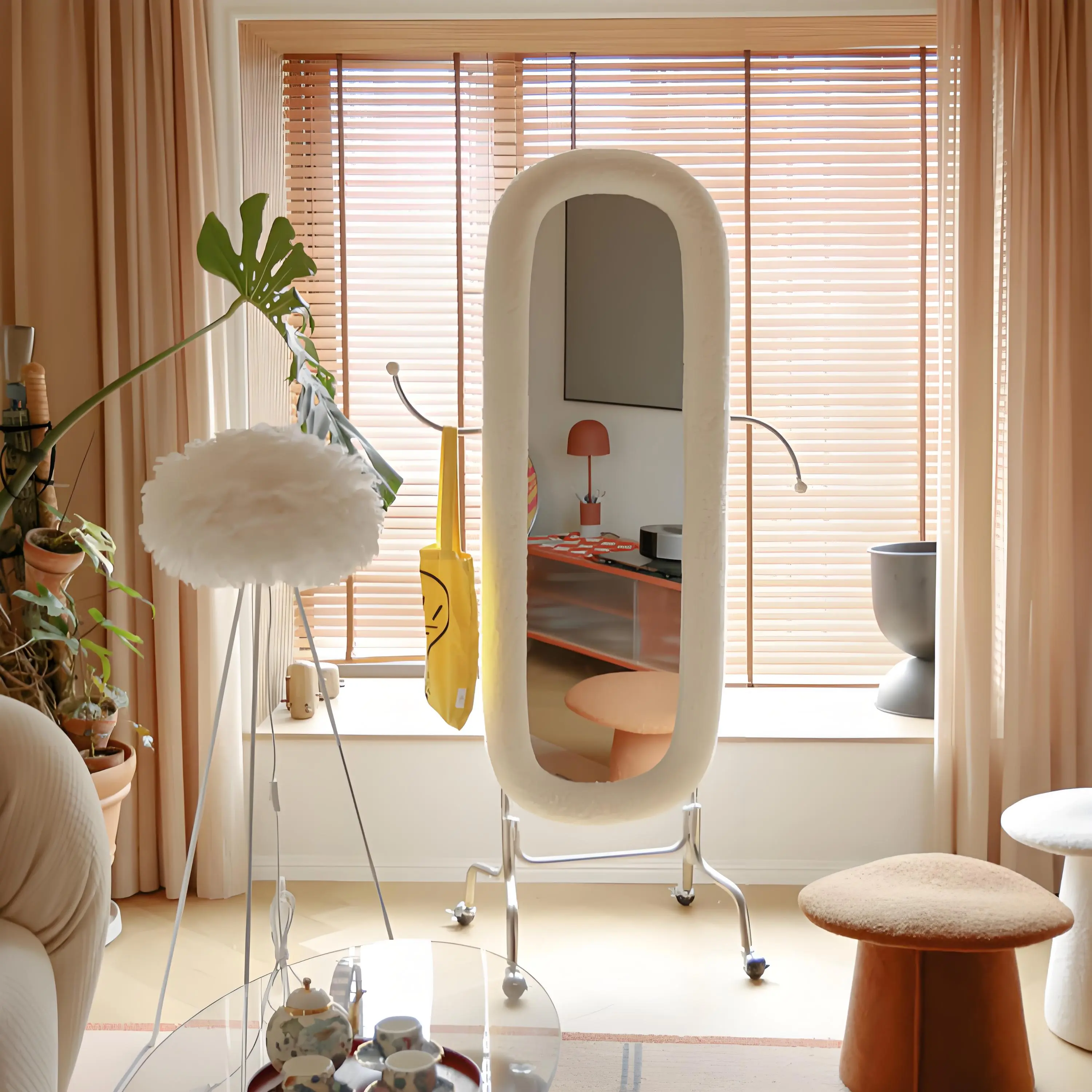
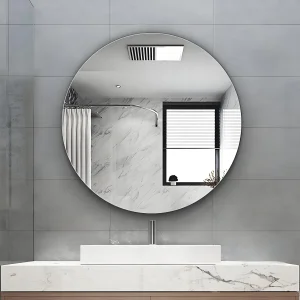
Copper-free silver mirrors and back-lighted mirrors manufactured with strict corrosion resistance standards.
Learn MoreFrequently asked questions regarding material selection, optical performance, and quality standards.
Connect with our technical team to discuss glass configurations, custom sizing, and load calculations for your project.
Track our latest projects, product developments, and participation in trade exhibitions.
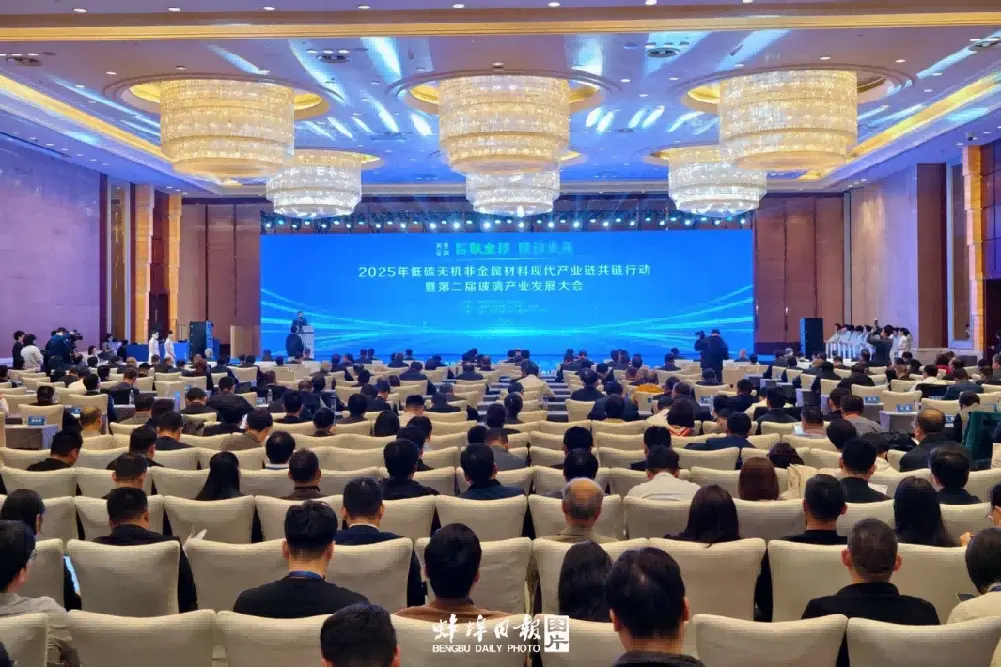 Event
Event
 Innovation
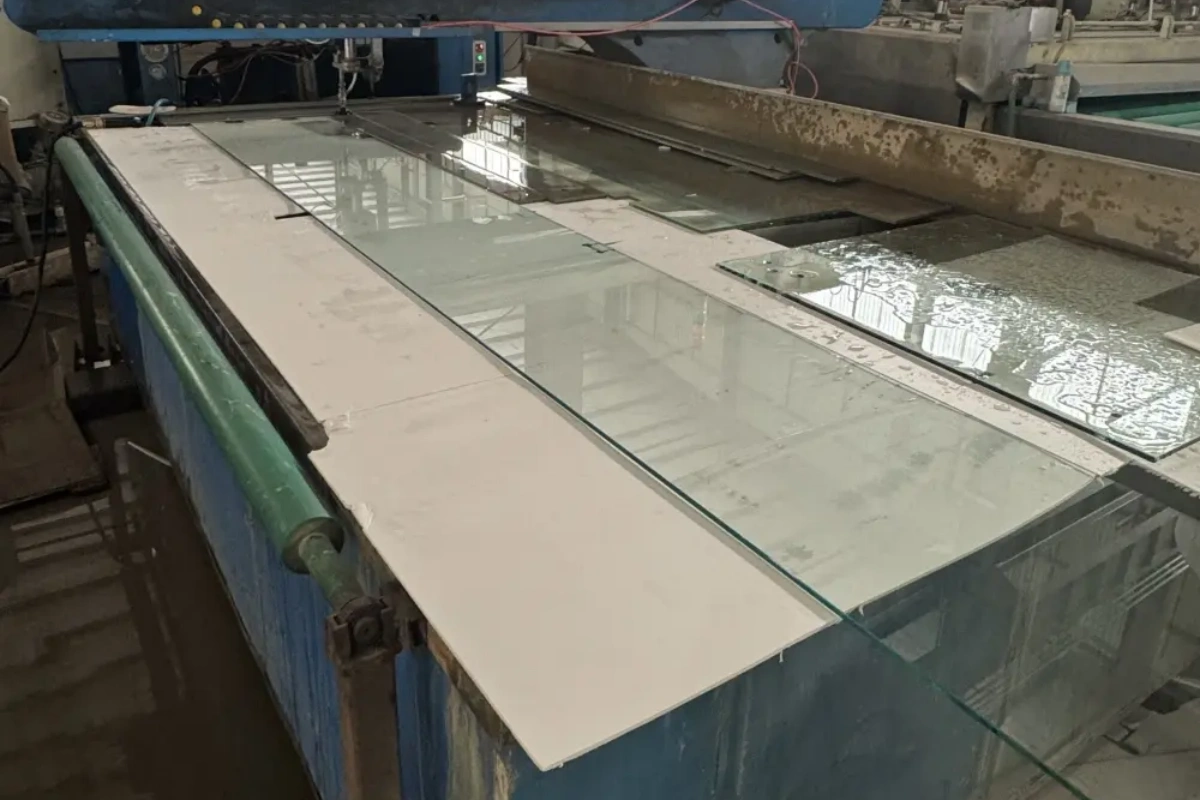 Business
Engineered solutions for residential, commercial, and agricultural glazing requirements.

 Jiaerbe Glass