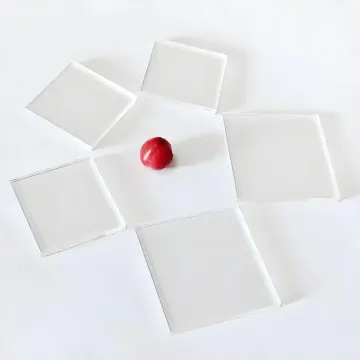
Explore our core engineering exports, designed for commercial, residential, and industrial architectural applications worldwide.
Analysing the rise of structural glass blocks in contemporary commercial architecture and industrial design.
Modern building codes demand sustainable insulation. Our hollow glass blocks feature an internal vacuum, offering exceptional thermal barrier properties (U-factor optimization) that lower building HVAC costs dramatically by mitigating solar heat gain while preserving natural daylighting.
As cities density, acoustic comfort becomes critical. Glass block partition walls function as high-performance sound barriers, achieving Sound Transmission Class (STC) ratings exceeding 40dB. This makes them ideal for corporate boardrooms, recording studios, and industrial facility partitions.
Unlike standard sheet glass, structural glass blocks possess high compressive strength and load resistance. They are highly resilient against impacts, vandal protection, and even meet stringent fire-rated regulations (providing up to 45 to 90 minutes of fire resistance under ISO/EN standards).
In the current global architecture landscape, glass block partition walls represent a major intersection between aesthetics and utility. Originally prominent in mid-century design, they have undergone an engineering transformation. Today's commercial architects rely on glass block systems to build partitions that allow diffuse natural light to travel deep into building footprints without compromising security, thermal isolation, or structural stability.
From high-rise commercial structures in New York and London to industrial production zones in Germany, structural glass blocks are proving vital in reducing reliance on artificial illumination. By implementing smart day-lighting design, properties can earn LEED points, BREEAM certifications, and lower operational overhead, aligning with the global drive for green and sustainable real estate development.
Industrial scaling, advanced material processing, and Suzhou Jiaerbe's strategic resource integration.
China's glass manufacturing capital leverages state-of-the-art automated production chambers. In our collaborative facilities, raw silica is fused at over 1500°C, molded, and then passed through automated annealing tunnels. This precise thermal treatment removes internal stresses, ensuring each block has consistent thickness, isotropic strength, and zero micro-fissures.
By operating inside China's premier glass cluster in Suzhou, Jiangsu Province, Suzhou Jiaerbe Glass Co., Ltd. streamlines the supply chain from soda ash, dolomite, and silica sourcing directly to automated assembly lines. Our established shipping networks, combined with advanced material processing, allow us to offer institutional buyers high-end architectural products at highly competitive export rates.
The core advantage of Chinese glass manufacturing lies in the mature integration of upstream material processors, raw float glass suppliers, and deep processing companies. Because Suzhou Jiaerbe integrates these vast local resources under one unified control standard, we can handle complex custom orders—ranging from custom color pigments and frosted privacy surfaces to irregular shapes and dimensions—while maintaining rapid turnaround times that local overseas competitors cannot match.
Discover our key structural and processing solutions utilized in interior partition designs, facades, and custom mirrors.
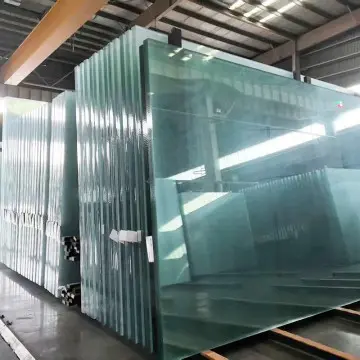
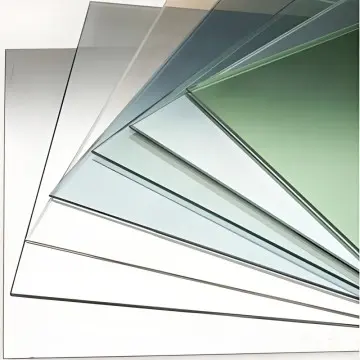
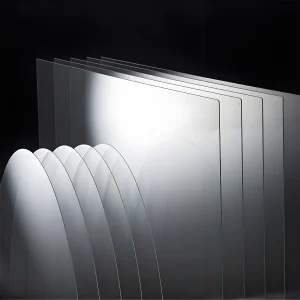
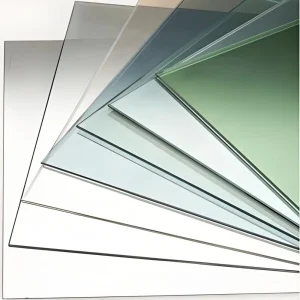
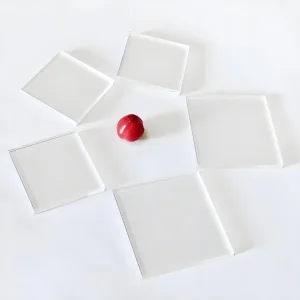
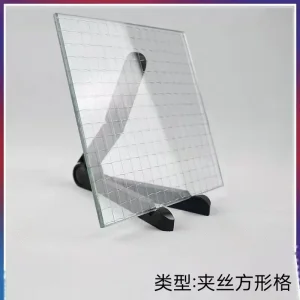
We provide ultra-clear, low-iron, and float glass sheets to serve as the baseline substrate for structural components and windows.
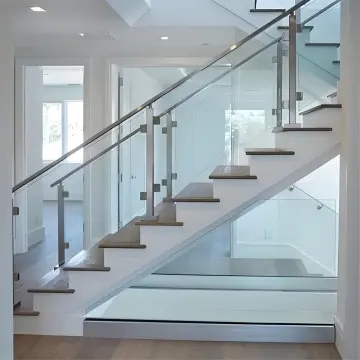
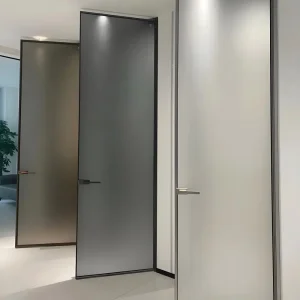
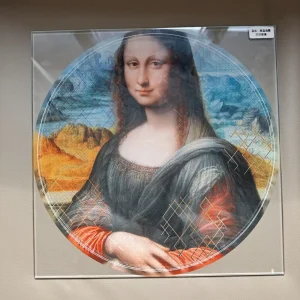
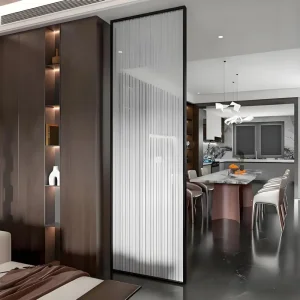
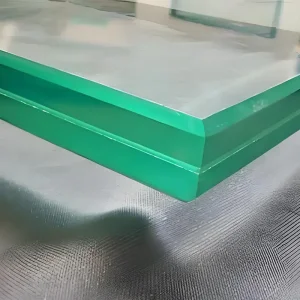
Featuring custom prints, tempered safety profiles, and high-performance laminates engineered specifically for office partitions.
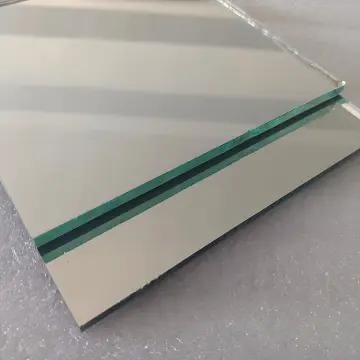
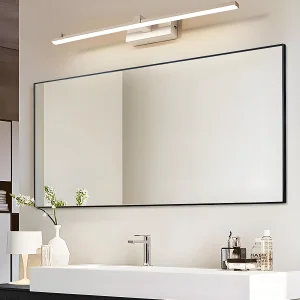
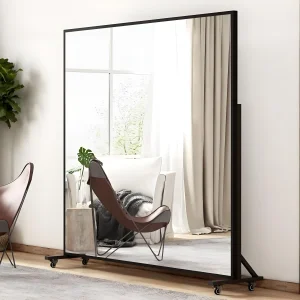
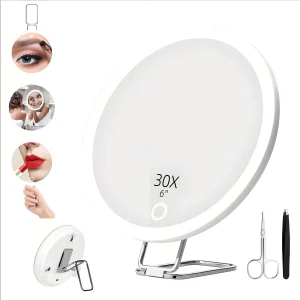
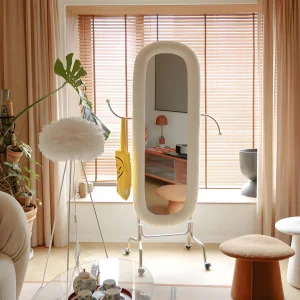
Advanced silver, aluminum, and integrated LED mirrors that augment modern partition configurations with functional depth.
How global projects leverage glass block partition walls to optimize light, space, and functionality.
In regions like the United States and Canada, corporate headquarters utilize glass block partition walls to design bright lobby areas, executive offices, and breakrooms. These partitions satisfy modern open-concept aesthetics while providing sound dampening for confidential meetings.
In major European cities (such as Paris, Munich, and Milan), developers convert historic stone structures into modern coworking complexes. Glass blocks allow designers to preserve structural brick patterns and pass light through deep, windowless spaces without altering the load-bearing integrity of historic facades.
With intense coastal sunlight, Australian architectural design prioritizes daylight control. Textured glass blocks filter harsh UV rays and glare, leaving interiors filled with soft, ambient illumination. This improves thermal comfort and lowers air conditioning demands.
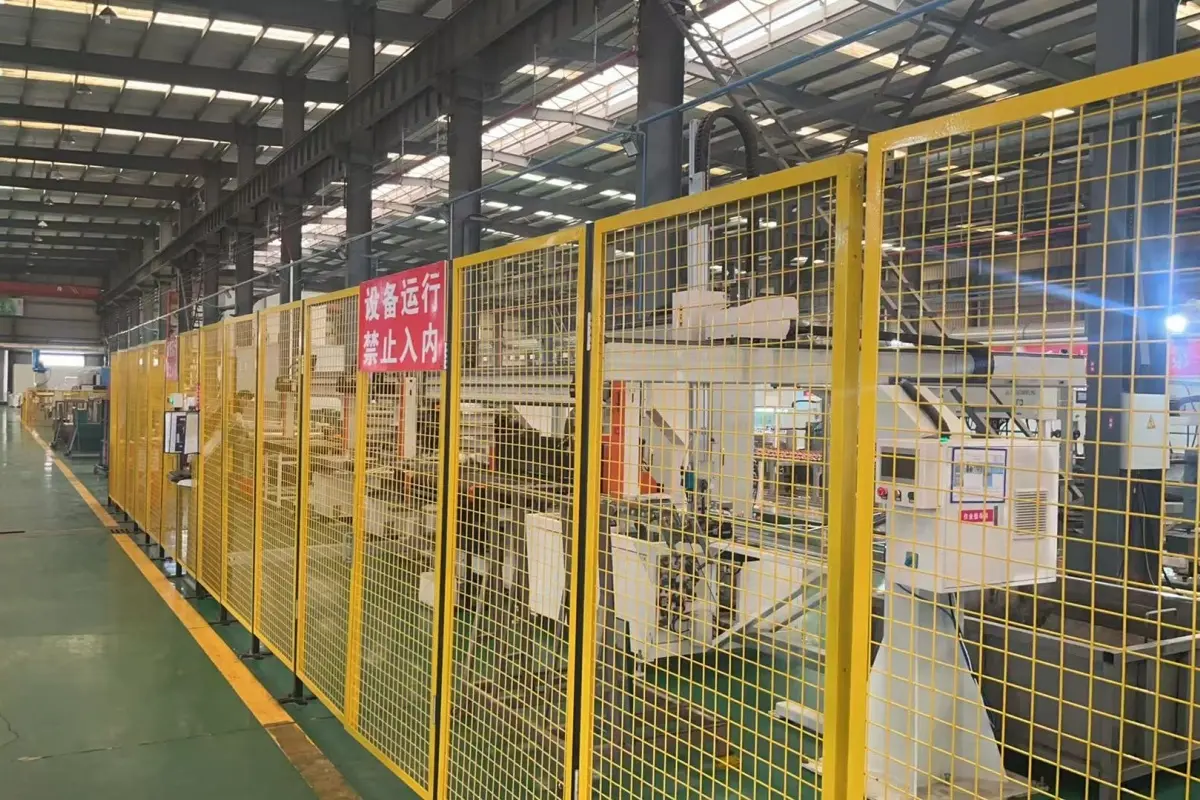
Suzhou Jiaerbe Glass Co., Ltd. is a professional glass sheet and processing glass supplier from China. The company was founded by Bin He, who has worked in the glass industry since 2002, with a wish to integrate China's glass resources and provide high-quality and competitively priced glass to customers around the world.
Over the past decades, our business scope has grown to cover major markets in North America, Europe, Australia, and South America. We combine local engineering expertise, high-temperature tempering technologies, and direct logistics networks to offer commercial developers a robust supply chain solution.
Read Our StoryThe technical checklist for sourcing glass block partition walls safely, sustainably, and efficiently.
Global procurement teams must confirm compliance with EN 1051 (European Standard for glass blocks) or ASTM C1048. These standards mandate tests for compressive resistance, thermal shock durability, and structural geometry tolerances. At Suzhou Jiaerbe, we conduct batch testing to confirm that structural margins are consistently met prior to dispatch.
Selecting the right surface finish dictates light control. Wave patterns, clear smooth faces, and diamond prisms distribute light differently. Frosted, sandblasted, or acid-etched surfaces offer high privacy (diffusing silhouettes) while still transmitting over 70% of ambient light, balancing workspace isolation and daylighting.
Glass block partitions require specialized structural anchoring. Modern configurations use mortar-free, snap-in grid structures made of structural aluminum, or traditional steel-reinforced cement mortar. Specifying the load characteristics of these subframes ensures safety against lateral forces, especially in public spaces.
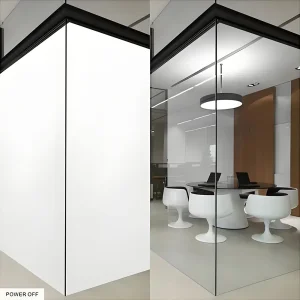
The structural glass block market is evolving toward smart systems. Integration of electrochromic switchable glass elements, photovoltaic light-harvesting blocks, and colored LED illumination arrays are trending in modern landmark developments, transforming functional barriers into digital, interactive facades.
A look at the primary structural configurations we process, package, and export daily.
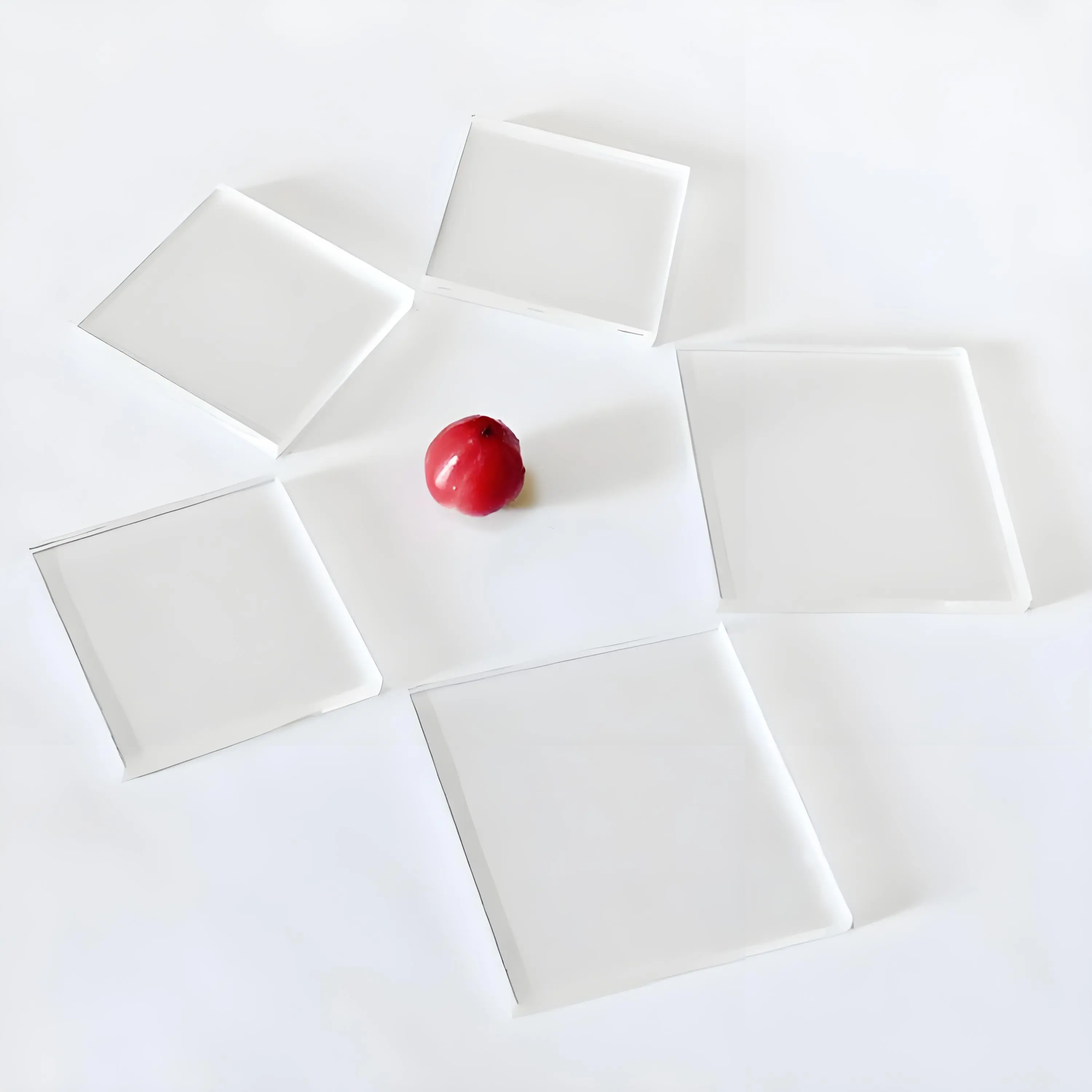
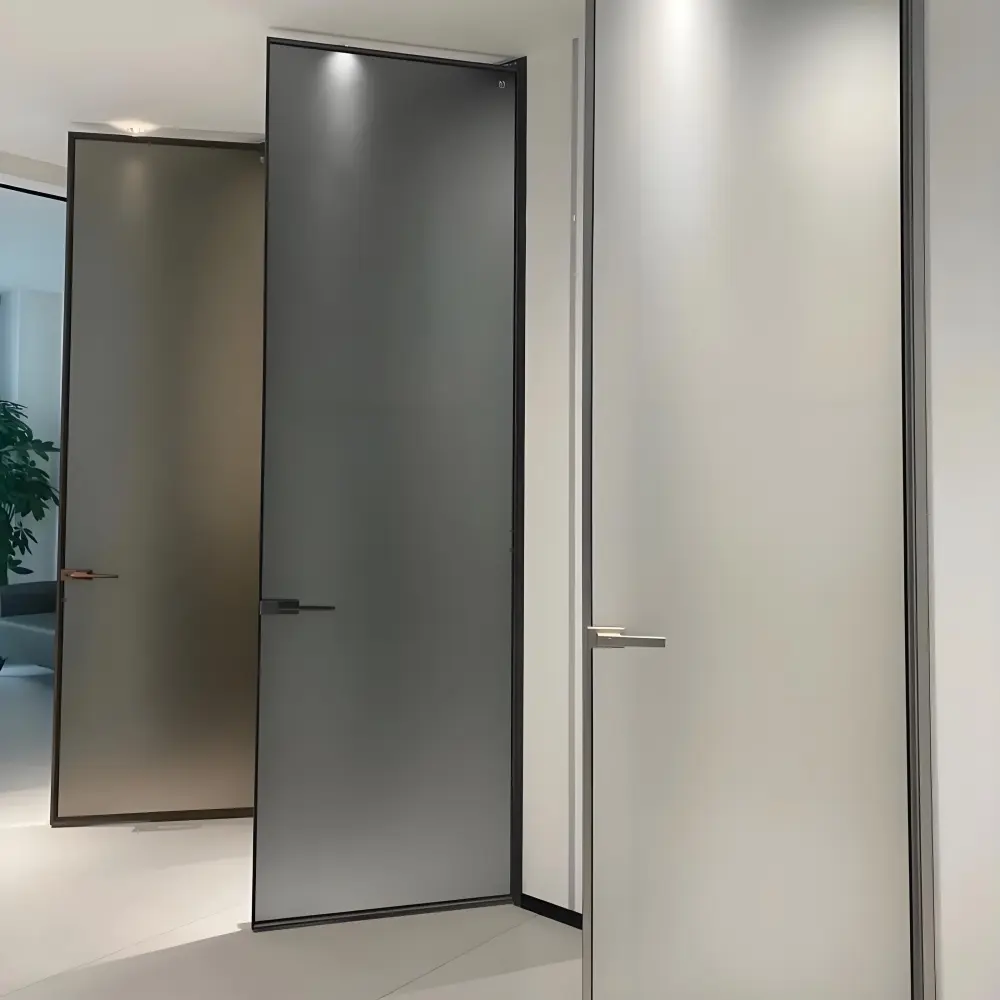
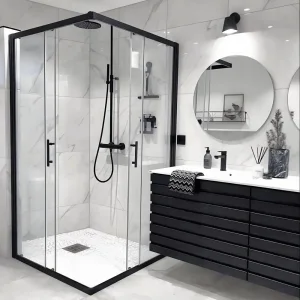
Custom glass sheets, dynamic patterns, and interior dividers.
Read More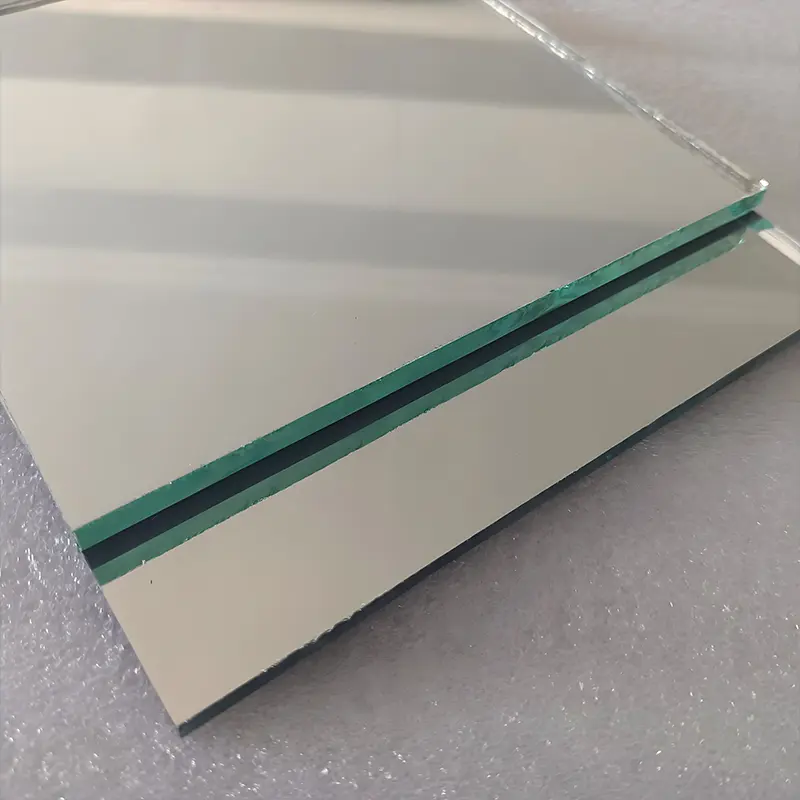
Expert insights on specifying, purchasing, and installing glass block partition walls.
A: No. Glass block partition walls are classified as non-load-bearing structural masonry. While they possess exceptional compressive strength, they should not support vertical building loads. Proper expansion joints must be installed at the head and jambs to protect the glass assembly from structural movements.
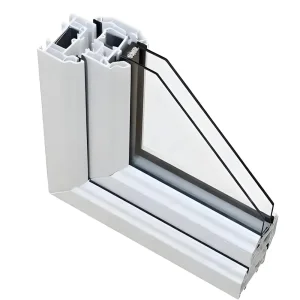
A: Glass blocks contain an internal partial vacuum that significantly reduces heat transfer. They provide thermal insulation comparable to double-pane windows, outperforming standard single-pane glass and standard thin drywall dividers by reducing thermal conduction (U-value optimization).
A: Yes. Depending on the glass thickness and block composition, our glass block systems can achieve fire ratings ranging from 45, 60, up to 90 minutes. These ratings make them suitable for installation in critical building corridors and emergency exit partitions.
A: For standard architectural sizes, production and packaging generally take between 15 to 25 days. Custom architectural commissions (such as specific surface textures, colors, or structural shapes) require mold fabrication, which adds 10 to 15 days to the processing schedule.
A: We use heavy-duty, reinforced wooden crates lined with impact-resistant foam sheets. Each partition block is separated by protective layers to prevent contact scratching. Crates are tightly secured inside shipping containers to avoid shifting during maritime transport.
Stay informed about global glass conferences, trade developments, and manufacturing breakthroughs.
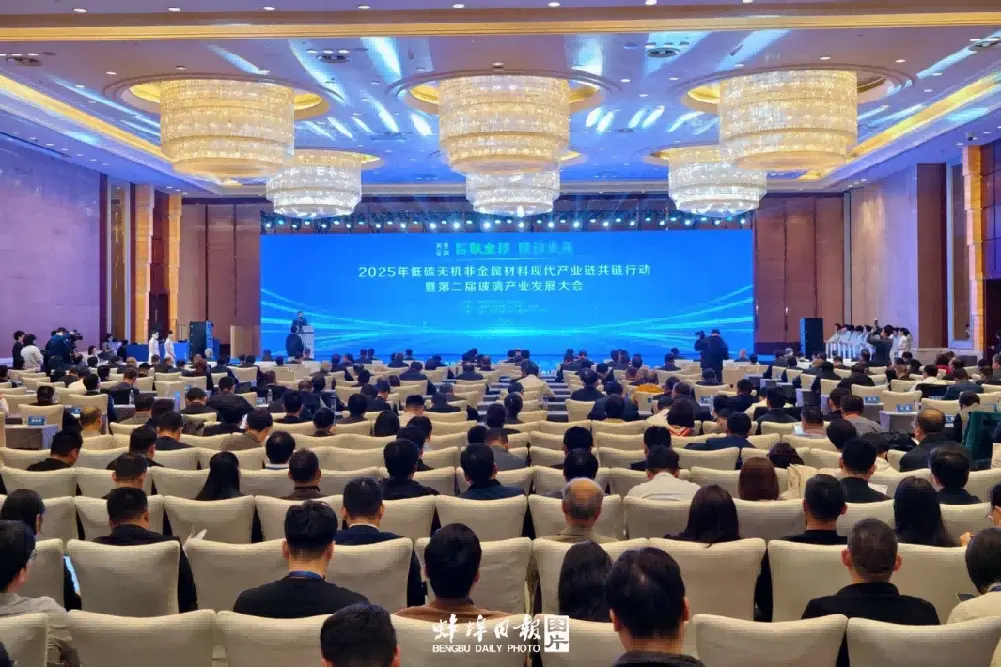 2025-11-12
Discussing low-carbon initiatives, energy-saving processing machinery, and raw material supply chain developments across China's main production hubs.
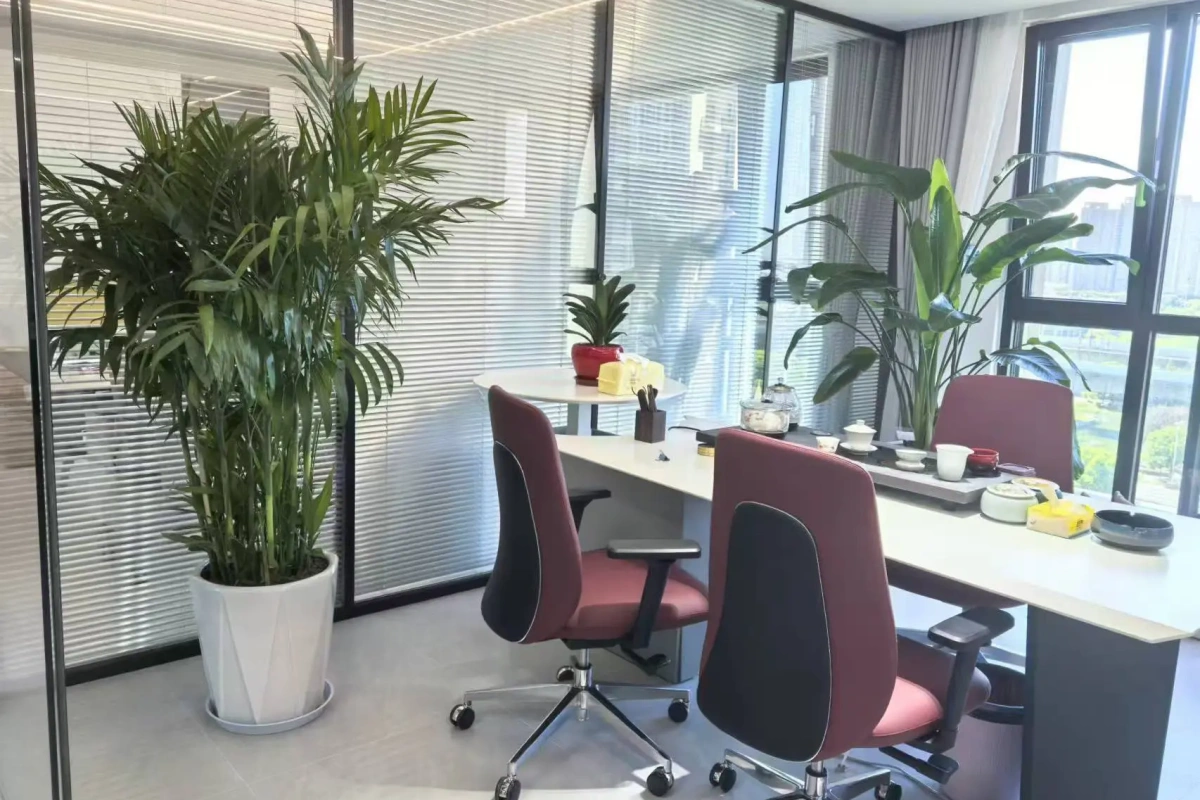 2025-04-30
How our team integrates advanced technology and client collaboration to streamline exports across North America and Europe.
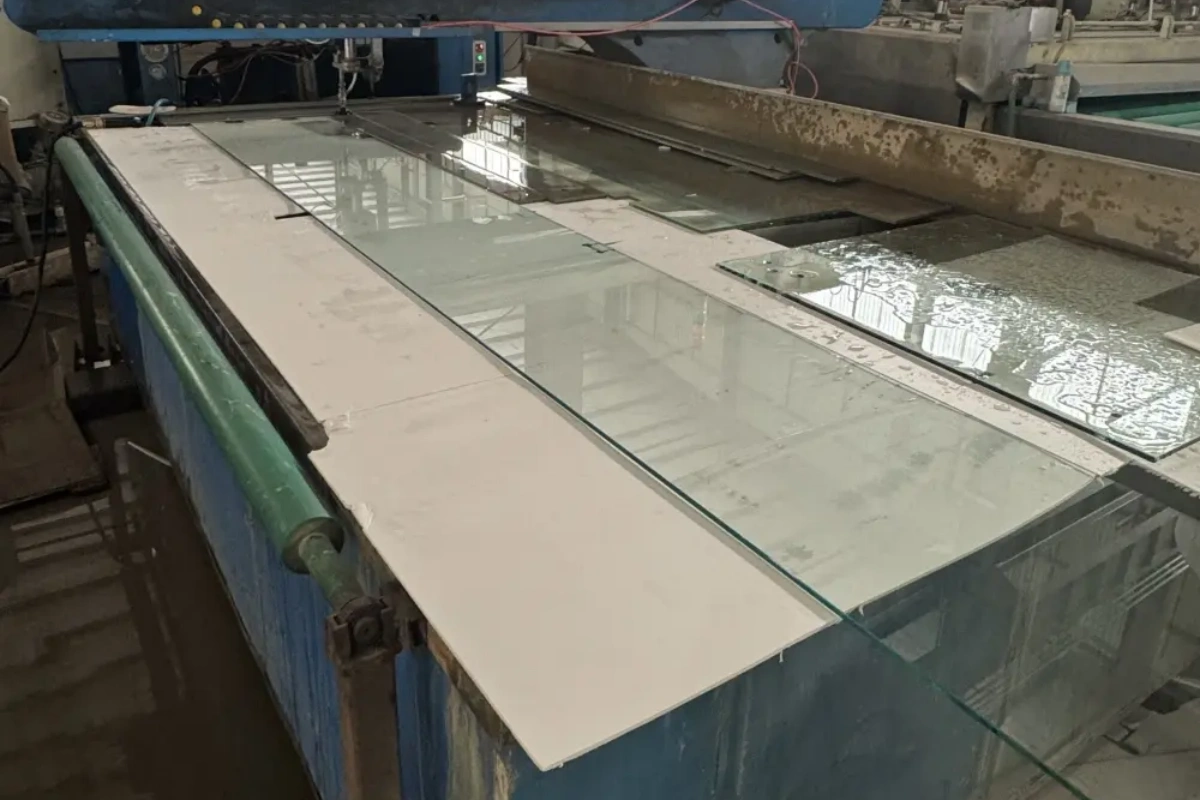 2025-04-30
From design drawings and custom tempering to container loading—Jiaerbe provides seamless procurement support for glass importers.
Ready to request a bulk quote or need help with custom architectural specifications? Send us your requirements, and our technical sales team will assist you within one business day.
Headquarters Address:
Suzhou City, Jiangsu Province, China
Contact Email & Telephone:
[email protected] / +86 13952430581
Complete your structural project with our comprehensive glass components, mirrors, and interior dividers.
 Jiaerbe Glass