 Jiaerbe Glass

Navigating Coastal Humid Microclimates: The Metallurgy & Physics of Mirror Processing
When deploying glass and reflective systems in metropolitan Lima, Peru, architects and industrial design companies face a major environmental variable: coastal salinity coupled with extreme relative humidity. High concentrations of atmospheric saline and relative humidity fluctuating near 90%-98% accelerate the oxidation process of reflective metallic layers. Under standard conditions, lower-grade back-coatings fail rapidly, resulting in black-edge oxidation (silver rot).
Copper-Free vs. Traditional Silver Sputtering Technologies
Historically, mirrors relied on a chemical layer of silver, sensitized by stannous chloride, followed by a layer of copper to seal the silver. However, when moisture penetrates the protective back paints, galvanic corrosion occurs between the copper and silver layers.
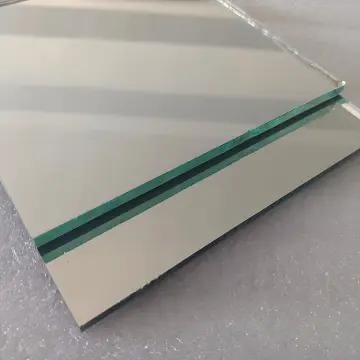
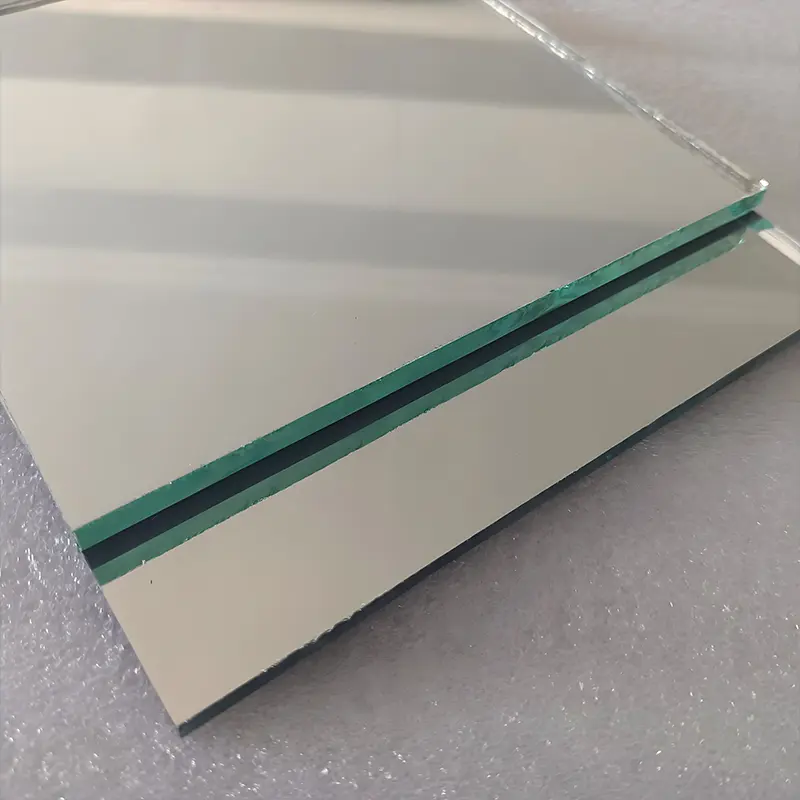
At Suzhou Jiaerbe Glass Co., Ltd., we resolve this through advanced copper-free technologies. The copper layer is replaced by a specialized metal-treatment agent that chemically stabilizes the silver film. Combined with lead-free, high-durability epoxy backing paint (often double-coated using Fenzi coatings), our processing glass for mirrors delivers ten times the corrosion resistance of traditional mirrors in coastal environments like Miraflores and Callao.
Lima and Regional Latin American Glass Market Dynamics
The construction industry in Peru has experienced significant modernization. Commercial and luxury residential developments in San Isidro, Surco, and central Lima demand high-end architectural glass and mirror components. Local processing capacity in Lima is often bottlenecked by raw material availability and lack of precision tempering and CNC edging equipment required for heavy mirror sheets (6mm to 8mm).
By working with specialized exporters from China, Lima-based distributors and contractors bypass these capacity constraints. They secure access to advanced glass processes such as chemical tempering, low-iron float glass substrates, and custom CNC waterjet cutting, ensuring exact tolerances for interior fittings.
The Technical Roadmap of Mirror Processing
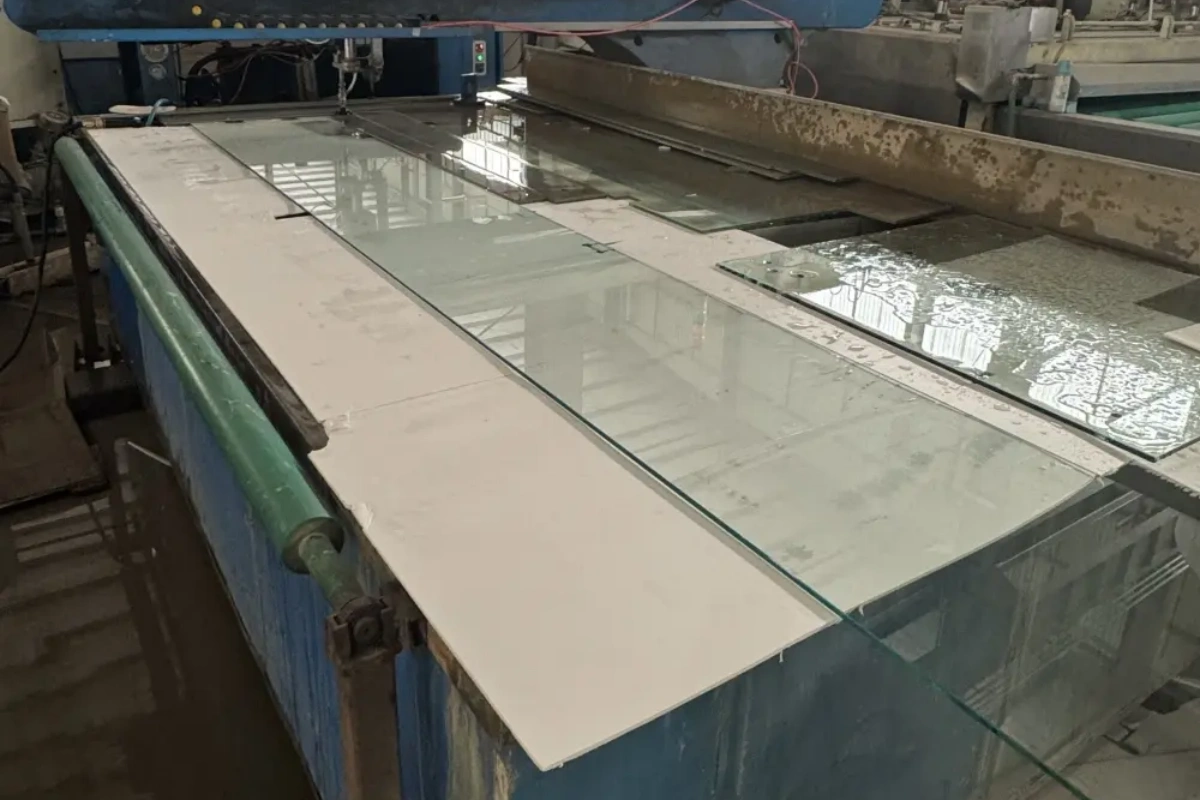
Quality processing glass for mirrors requires strict adherence to a precise engineering pipeline:
- Substrate Washing: De-mineralized water washes eliminate micro-contaminants that trigger silver crystallization defects.
- Silver Coating: Vacuum sputtering or liquid deposition lines apply an ultra-flat metallic silver layer with optical reflectivity >92%.
- Protective Polymerization: Heat curing of the backing paint layers locks out atmospheric oxygen and moisture.
- Edge Machining: Flat polish, pencil edge, or beveling options remove microscopic stress cracks, avoiding spontaneous thermal breakages.