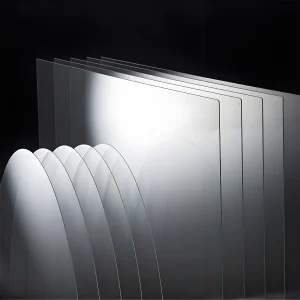
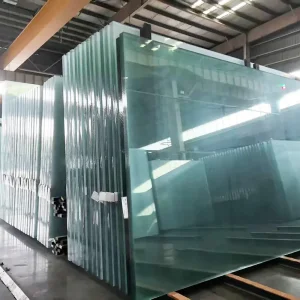
In the contemporary industrial and manufacturing landscapes, thermal management and optical clarity under high-temperature configurations are vital variables for operational safety and system efficiency. Heat-resistant glass sheets represent a highly engineered material class, formulated explicitly to withstand massive thermal gradients, rapid temperature adjustments, and aggressive chemical environments. From the vision panes of metallurgical kilns to the optical windows of semiconductor plasma reactors, these specialized materials play a crucial safety and diagnostic role.
Globally, the demand for custom heat-resistant glass has experienced a sharp upward trajectory. This growth is predominantly fueled by stringent occupational safety regulations, the rapid expansion of solar and green energy infrastructures, and the increasing integration of high-temperature diagnostic sensors in smart factory platforms. As a leading manufacturer and exporter, Suzhou Jiaerbe Glass Co., Ltd. continues to stand at the forefront of this technological shift, bridging the gap between raw scientific glass chemistry and bespoke industrial application needs.
Withstanding dynamic thermal shocks up to 800°C without mechanical degradation or structural cracks.
Providing exceptional light transmission across ultraviolet, visible, and infrared wavebands.
Resistant to strong acids, alkalies, and saline degradation, ensuring long-term transparency.
Selecting the appropriate thermal barrier substrate requires balancing mechanical stress, thermal limits, optical requirements, and cost criteria. Below, our senior engineering team summarizes the main performance categories of the industry's primary heat-resistant glass sheets:
| Glass Type | Max Operating Temp (Continuous) | Thermal Shock Resistance (ΔT) | Thermal Expansion (CTE) | Primary Industrial Application |
|---|---|---|---|---|
| Borosilicate Glass (3.3) | 450°C | ~150°C to 200°C | 3.3 x 10⁻⁶ K⁻¹ | Chemical plants, laboratory sight glass, home ovens |
| Aluminosilicate Glass | 600°C | ~250°C to 300°C | 4.6 x 10⁻⁶ K⁻¹ | Avionics displays, high-pressure boiler glass |
| Ceramic Glass (NeoCeram/Robax) | 750°C | ~700°C | ~0.0 x 10⁻⁶ K⁻¹ | Fireplace windows, stove tops, wave soldering windows |
| Fused Quartz / Silica Glass | 1100°C | ~1000°C | 0.5 x 10⁻⁶ K⁻¹ | Semiconductor reactors, UV curing lamps, furnaces |
Understanding these variables allows our technical experts at Suzhou Jiaerbe to tailor cutting, edge finishing, chemical tempering, and surface coatings to match the specific working constraints of your equipment. For example, if you operate an environment with rapid heating and cooling cycles, Fused Quartz or Ceramic Glass is utilized to avoid structural fatigue from thermal expansion, whereas for high-clarity viewing windows in medium-heat environments, Borosilicate Glass 3.3 offers the ideal economic and visual balance.
Explore our complete range of specialized industrial, architectural, and decorative glass sheets.
View All
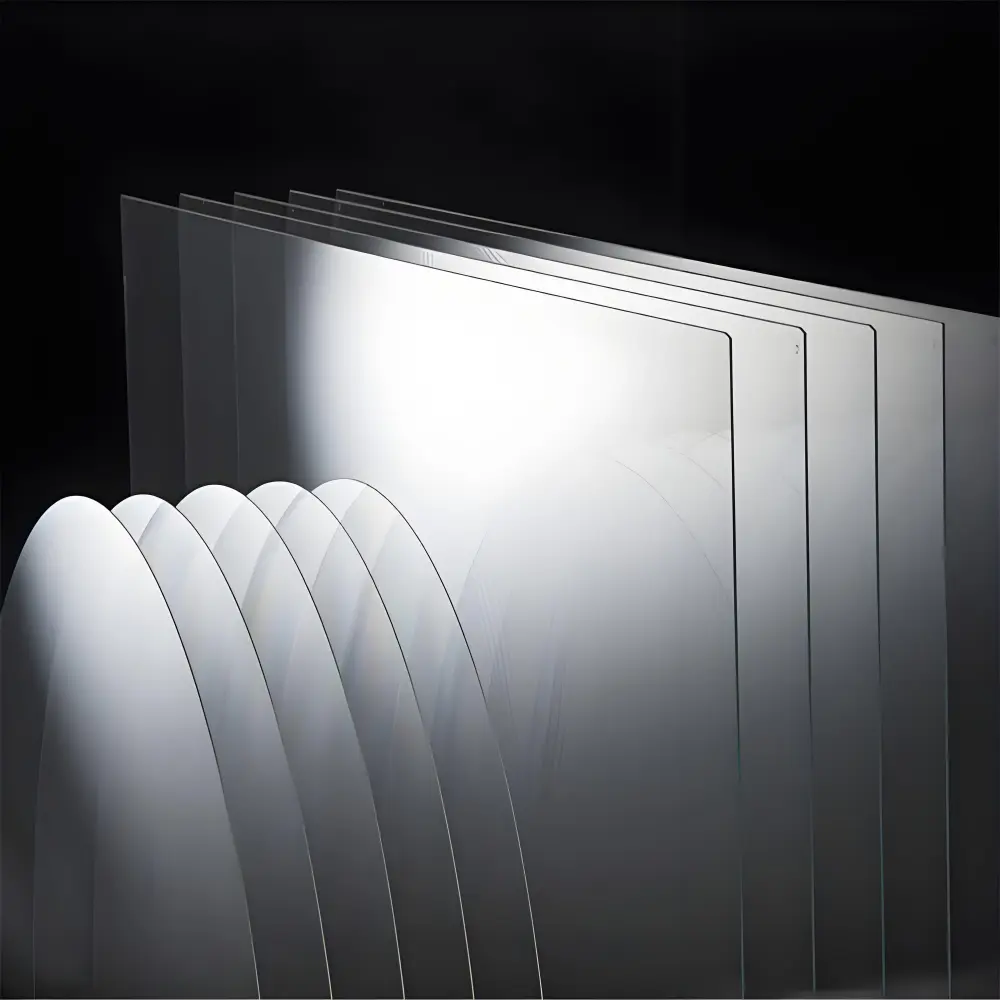
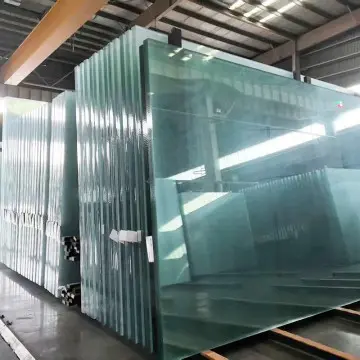
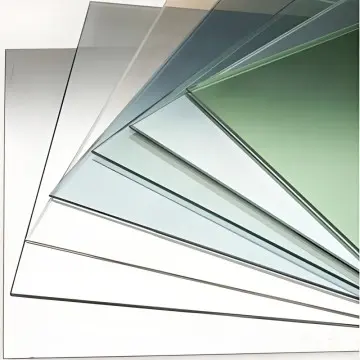
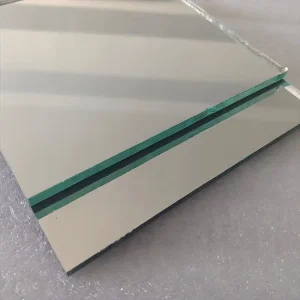
Raw, cut-to-size float glass, ultra-clear glass, and borosilicate flat panels.
Explore Sheet Glass
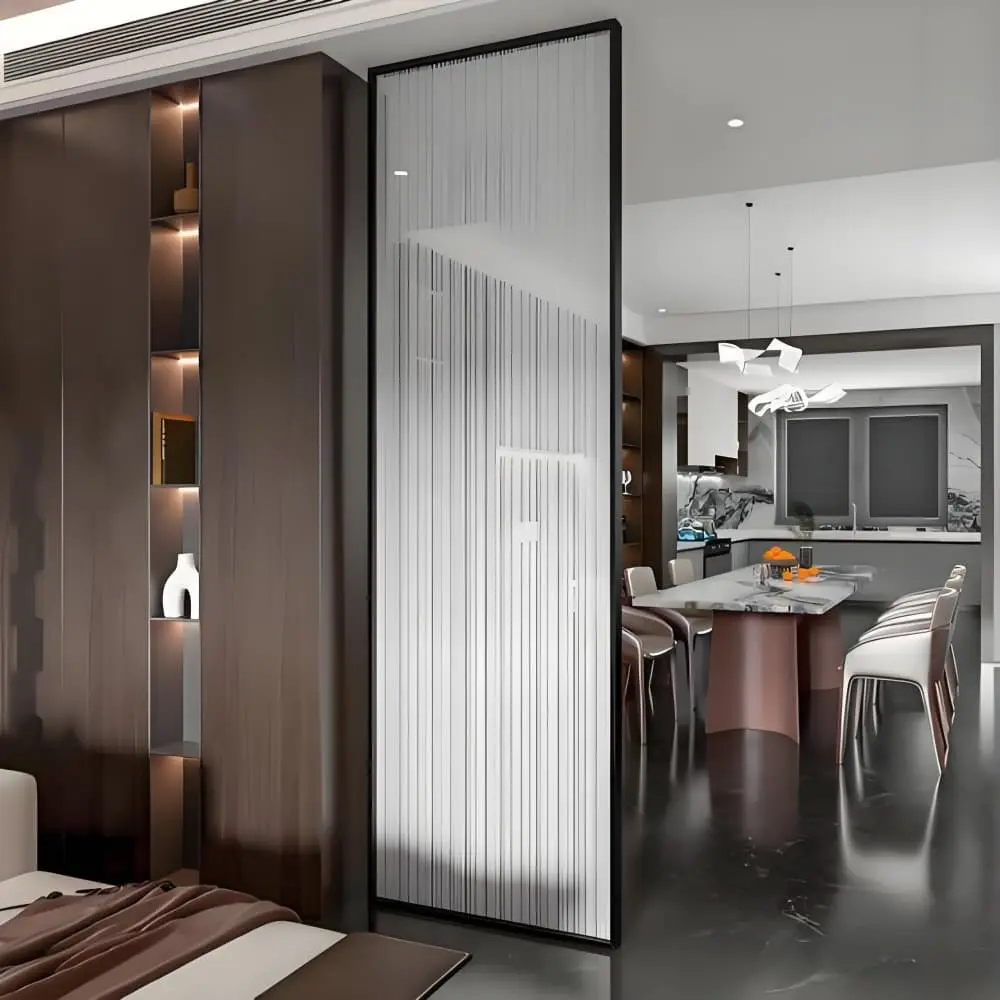
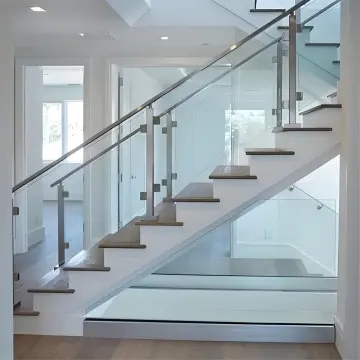
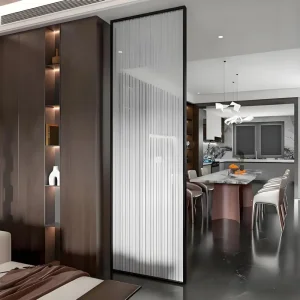
CNC-milled, silk-screened, and tempered panels for high-end home decoration.
Explore Interior Glass
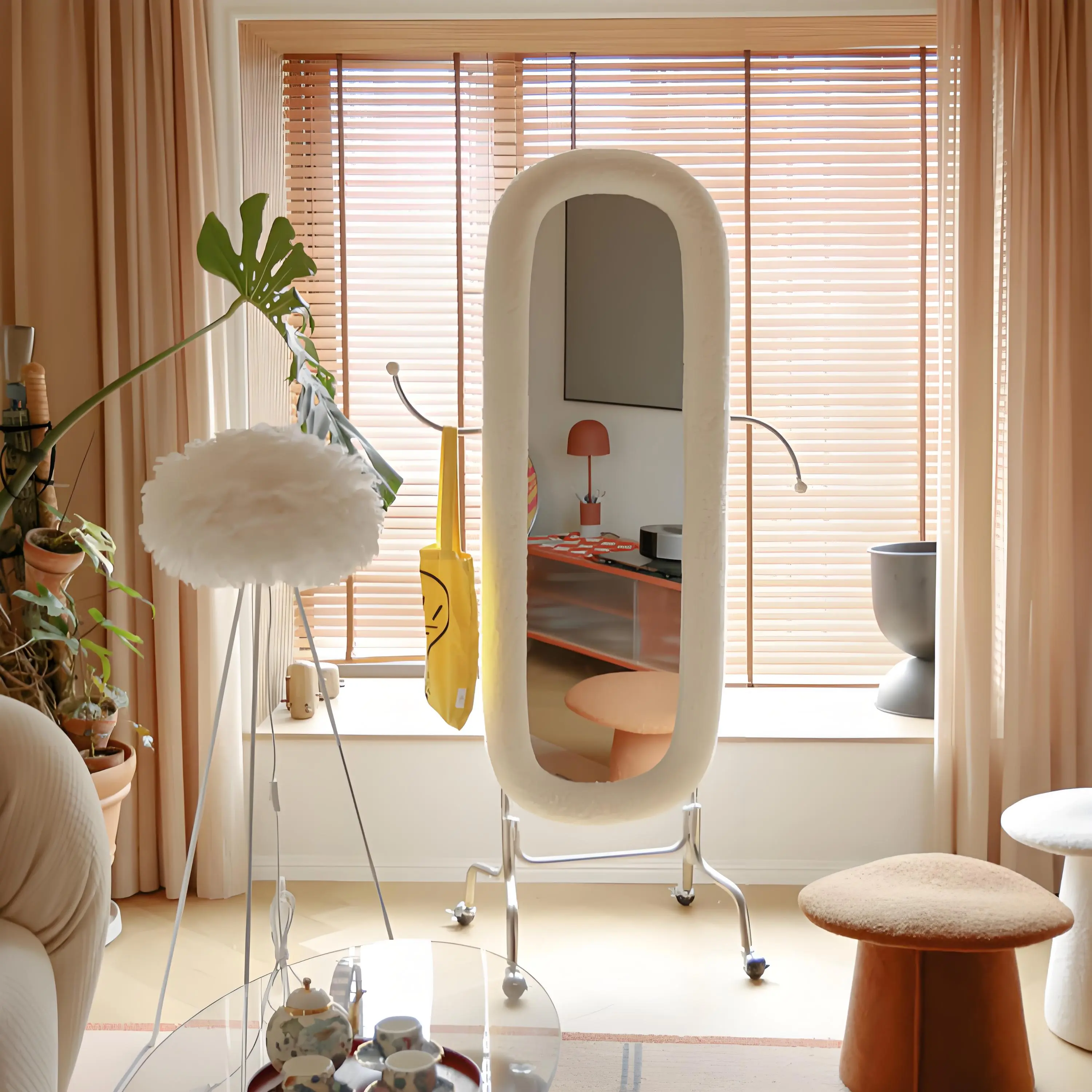
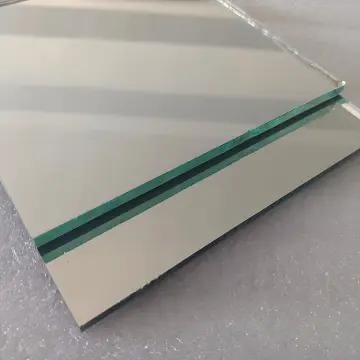
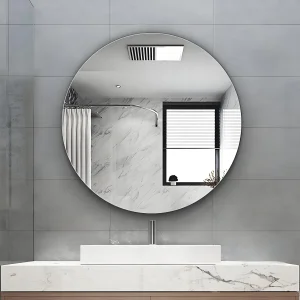
Copper-free, silver, and LED-ready mirror backings with custom edge treatments.
Explore Mirrors
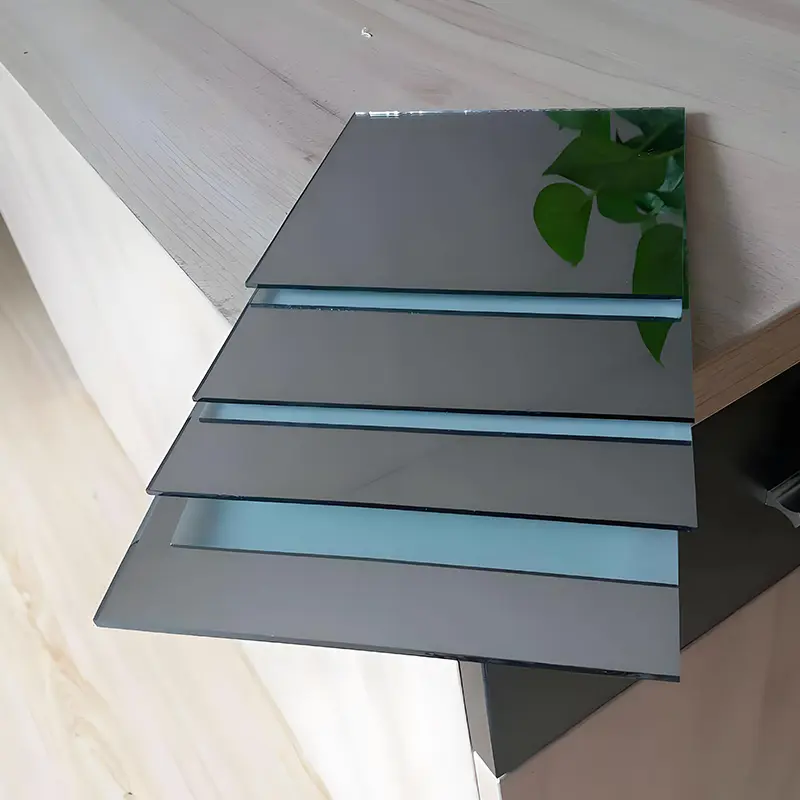
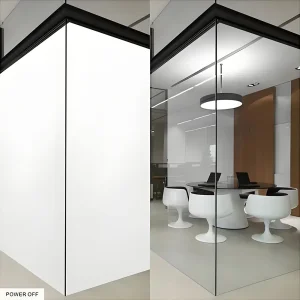
Specialty optical, wired, mesh-embedded, and high-temperature switchable glass.
View More
As microelectronics manufacturing transitions to 2nm and below, processing chambers require viewport windows with even lower structural defects and enhanced thermal parameters. The integration of high-temperature optical detection relies heavily on glass that does not exhibit thermal birefringence or drift under severe thermal fluctuations. To meet these emerging requirements, Suzhou Jiaerbe's R&D strategy focuses on integrating multi-layered thin-film coatings with traditional silica-based substrates.
By applying specialized Anti-Reflective (AR) and Indium Tin Oxide (ITO) layers directly to heat-resistant materials, we manufacture viewports that not only withstand 500°C+ conditions but also conduct electrical signals for defogging or EMI shielding. Our research department is currently working on optimizing localized laser-tempering techniques that chemically stress only the peripheral mounting border of borosilicate substrates, significantly decreasing structural stress concentration points where fasteners attach.
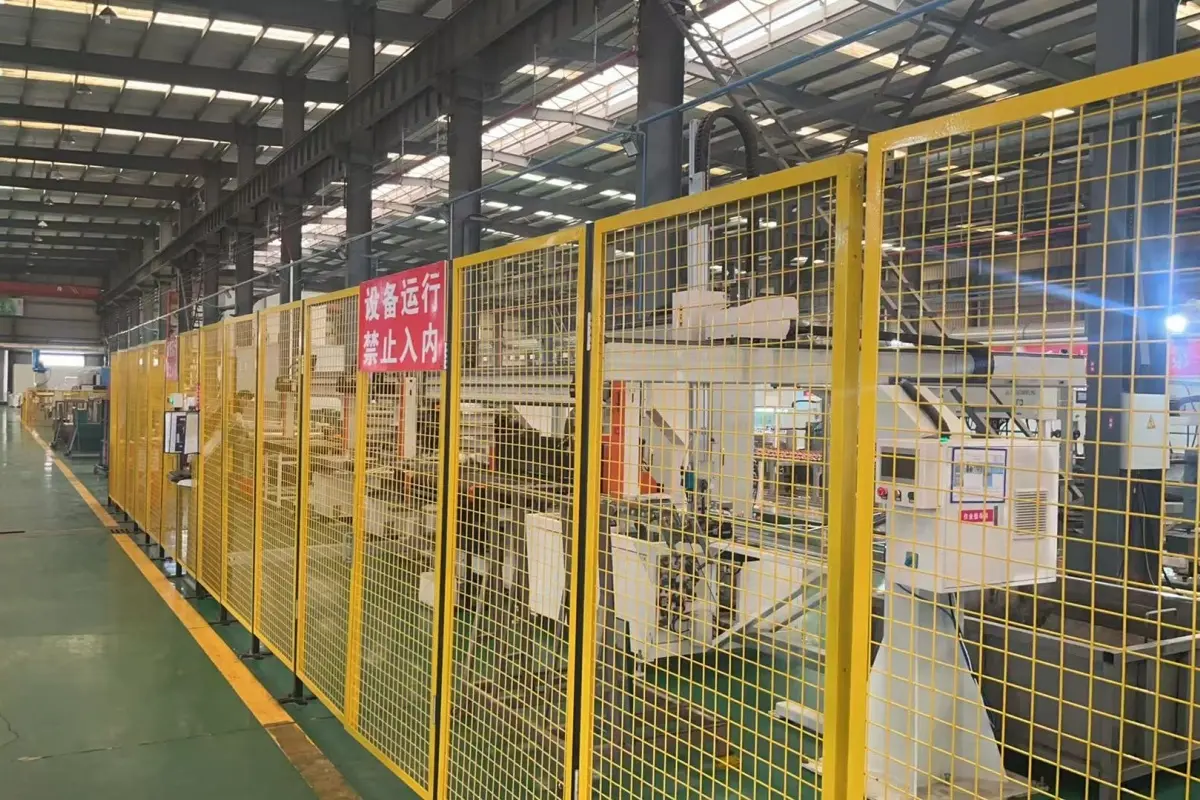
Suzhou Jiaerbe Glass Co., Ltd. is a professional glass sheet and processing glass supplier from China. The company was founded by Bin He, who has worked in the glass industry since 2002. With over two decades of dedicated expertise, we integrate China's vast and high-quality glass resources, providing premium-grade, high-temperature resistant, optical, and decorative glass solutions to commercial clients worldwide.
Through rigorous quality control and modern processing technologies (including precise water-jet cutting, chemical tempering, and CNC edge polishing), we ensure every shipped glass sheet complies with ISO 9001 and international safety standards.
Our story
Providing comprehensive processing services from basic float glass cutting to highly complex finished mirror and structural glass treatments.
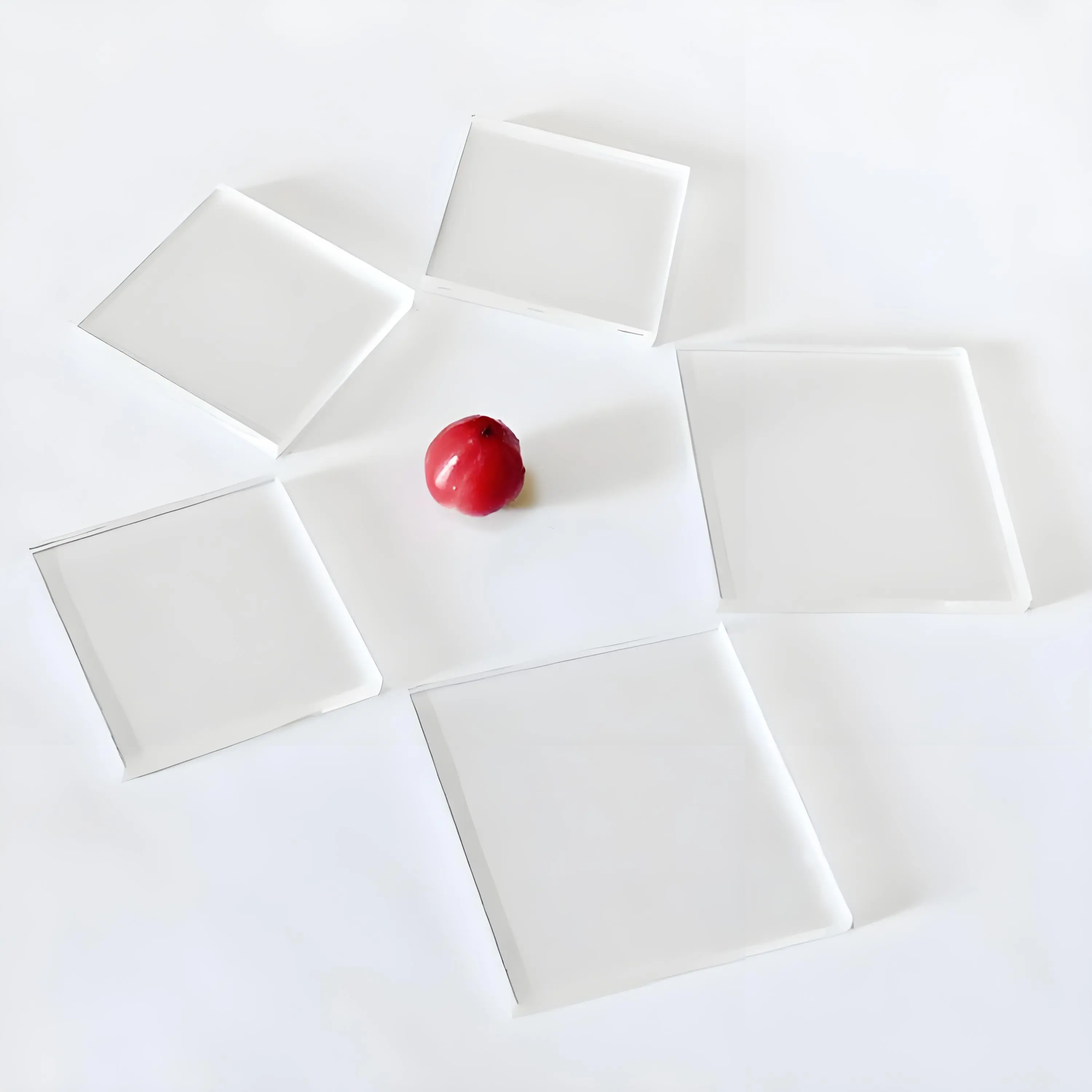
High-precision cutting, cleaning, and tempering of standard float and custom borosilicate panels.
Read more
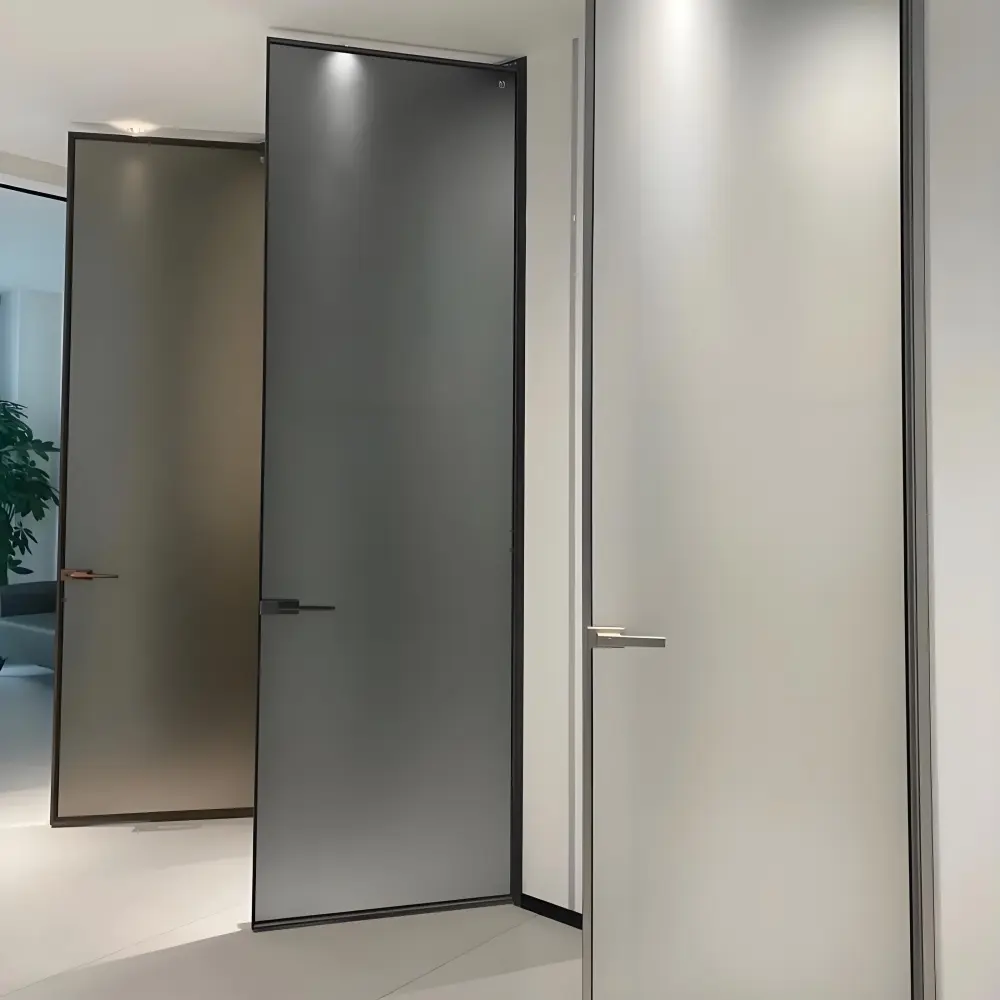
Silk-screen printing, thermal toughening, and dimensional shaping for modern architecture.
Read more
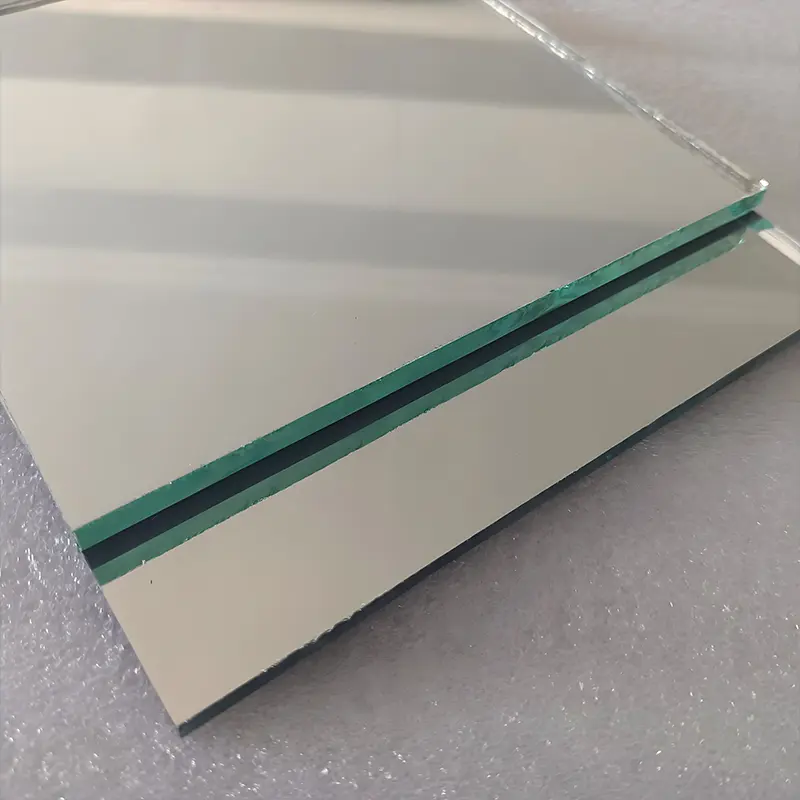
Advanced silvering processes, copper-free ecological mirrors, and smart mirror beveling.
Read more
Follow our technical breakthroughs, community developments, and key conference participation.
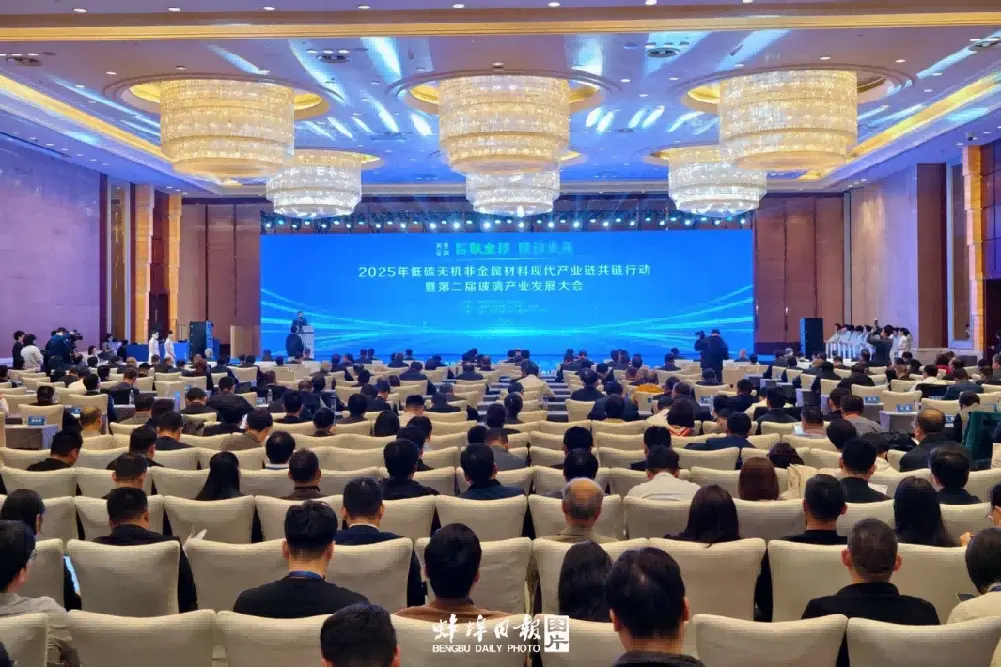
Discussing international supply chain integration, intelligent manufacturing, and clean-energy furnace advancements.
Read Article →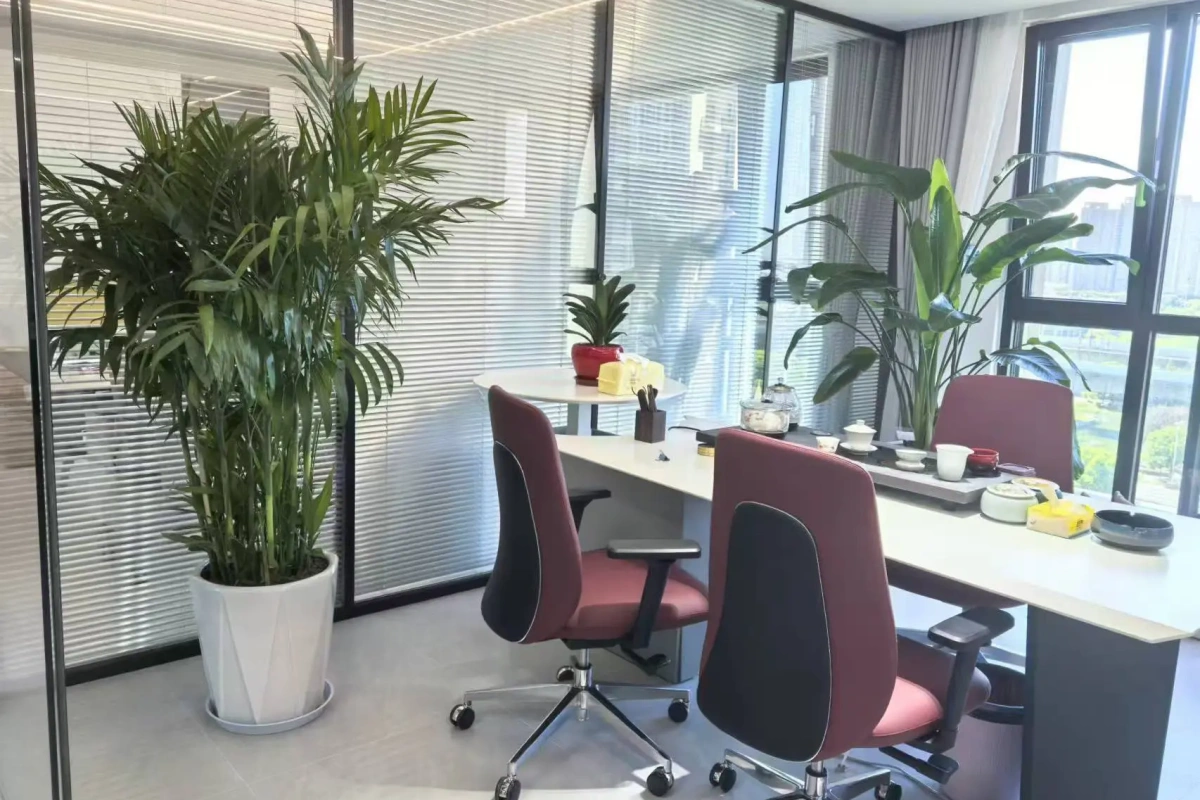
Developing green production pathways and high-borosilicate optical lens solutions.
Read Article →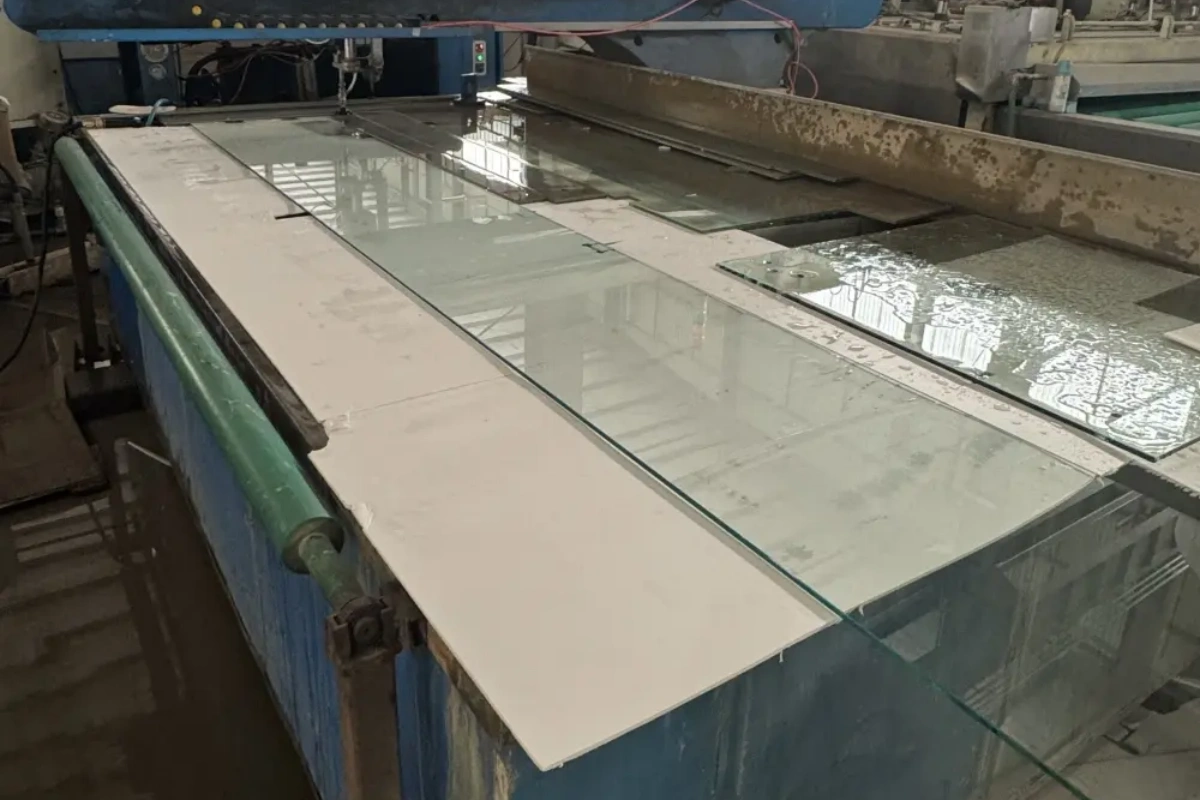
Integrating raw float production with bespoke post-processing under one single quality management framework.
Read Article →The primary differences lie in the operating temperature and chemical composition. Borosilicate 3.3 contains approximately 81% silica and 13% boric oxide, which limits its continuous working temperature to roughly 450°C. Fused Quartz is nearly 99.9% pure silica, allowing it to withstand continuous temperatures up to 1100°C and transient temperatures up to 1300°C. However, Quartz is substantially more difficult to cut and shape, translating to higher production costs.
Thermal shock resistance (ΔT) defines the maximum sudden temperature fluctuation that the glass can tolerate without fracturing. For pressure vessel sight glasses, a mismatch between external cold water contact (e.g., splashing or rain) and high internal system steam can cause catastrophic failure if the glass material has a high coefficient of thermal expansion. Utilizing Borosilicate or Glass-Ceramic materials minimizes the hazard of mechanical failure.
Yes, but the tempering process is highly dependent on the glass formulation. High-borosilicate glass and quartz cannot be easily tempered using standard thermal tempering ovens because their low thermal expansion rates do not allow sufficient thermal stress gradients to form between the core and the surface. Instead, these materials are often chemically tempered in molten salt baths or processed with precision annealing stages to guarantee structural integrity.
Using advanced CNC glass-grinding machines and industrial waterjet tools, we can cut and profile glass sheets with tolerances as precise as ±0.1mm. For thickness, our raw glass sheet suppliers hold consistency down to ±0.05mm. We can also provide double-sided optical polishing to satisfy high-transmission imaging applications.
Yes. We offer vacuum-sputtered multi-layer AR coatings to increase light transmission up to 99%, as well as hydrophobic coatings that prevent dirt accumulation and simplify cleaning for outdoor observation viewports.
Whether you need a custom-cut prototype of quartz glass or high-volume wholesale pricing on borosilicate sheet products, our technical support engineers are available to review your design specifications.
 Jiaerbe Glass