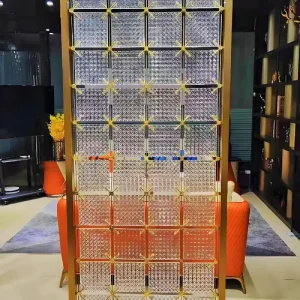
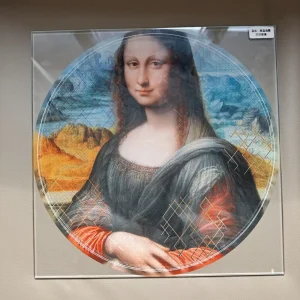
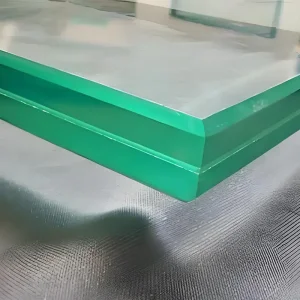
In high-end real estate development, hospitality fit-outs, and luxury residential projects, the contemporary vanity mirror has graduated from a simple reflective utility to a complex, engineered architectural focal point. Modern spatial design prioritizes human-centric lighting (HCL), minimalist structural footprints, and high-performance materials. For institutional buyers, procurement managers, and specialized contractors, finding a manufacturer capable of blending high-precision float glass production with advanced electronic integration is paramount.
Customizations must address specific aesthetic and functional requirements: frameless edge polishing, copper-free and lead-free backing matrices to prevent humidity-induced edge blackening, integrated heating elements for defogging, and customized LED circuits delivering high Color Rendering Index (CRI >90) light output. This white paper serves as an industrial blueprint detailing the production methodologies, compliance matrices, and procurement strategies necessary for large-scale commercial success.
"The threshold of mirror manufacturing has moved past simple silvering. Today, we manage reflectivity, light transmission, corrosion barriers, and IoT modules to match demanding architectural standards." - Bin He, Founder of Suzhou Jiaerbe Glass Co., Ltd.
The global market for contemporary vanity mirrors is heavily driven by hospitality renovations and smart residential projects in North America, Western Europe, and Australia. Procuring teams look for suppliers that can scale production while preserving strict dimensional tolerances (typically down to ±0.5mm). Key supply requirements include:
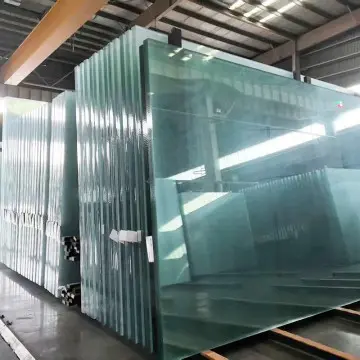
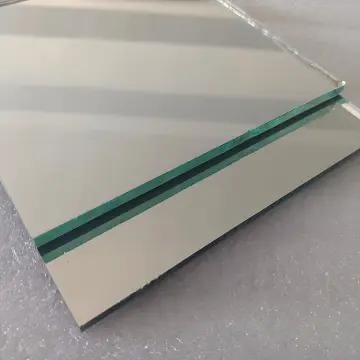
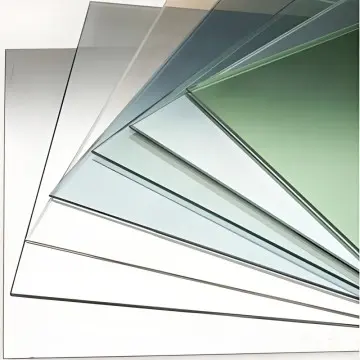
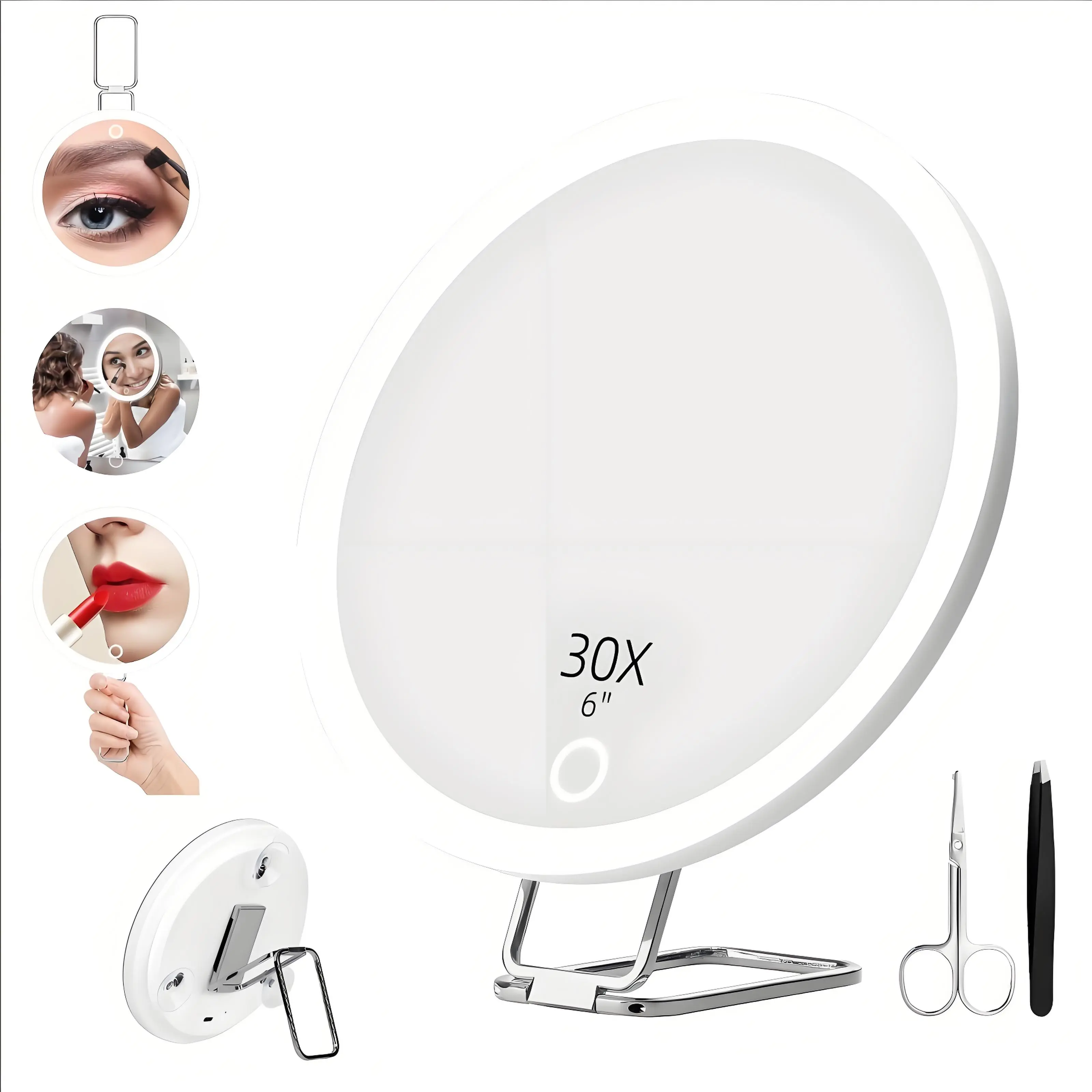
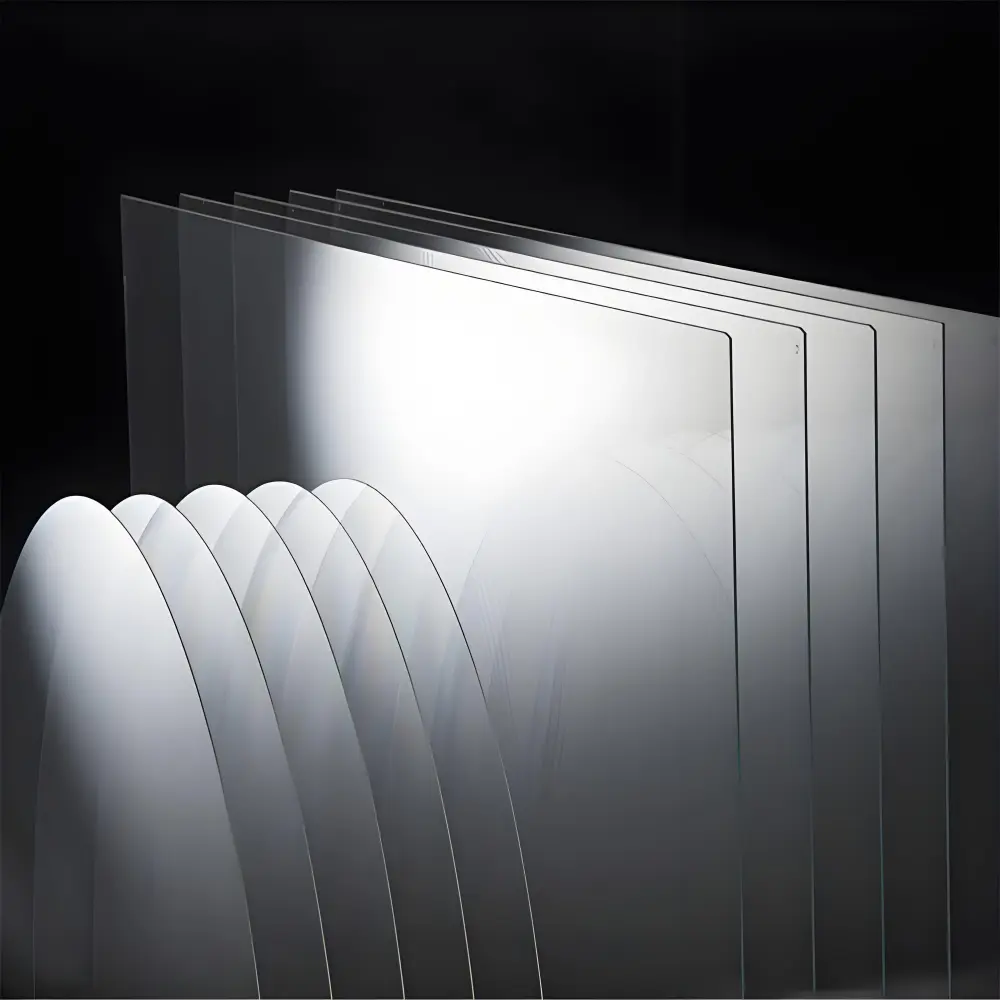
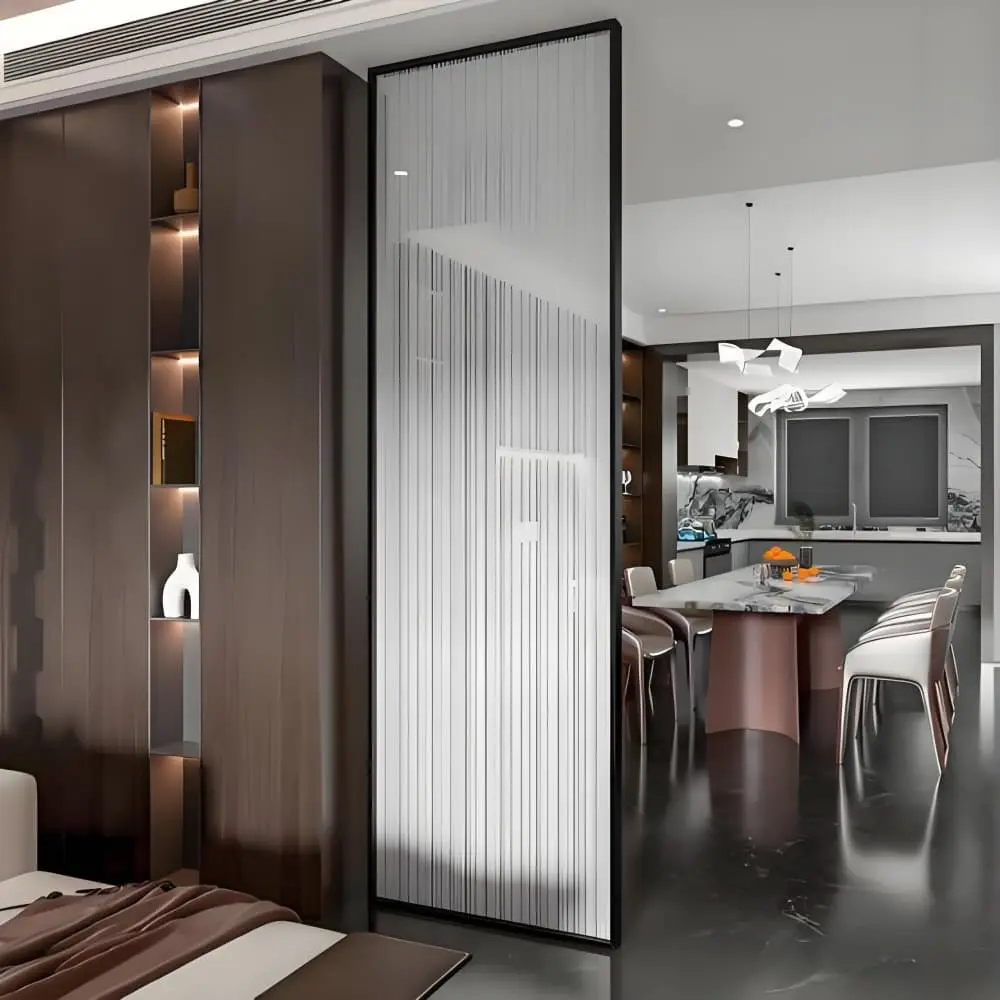

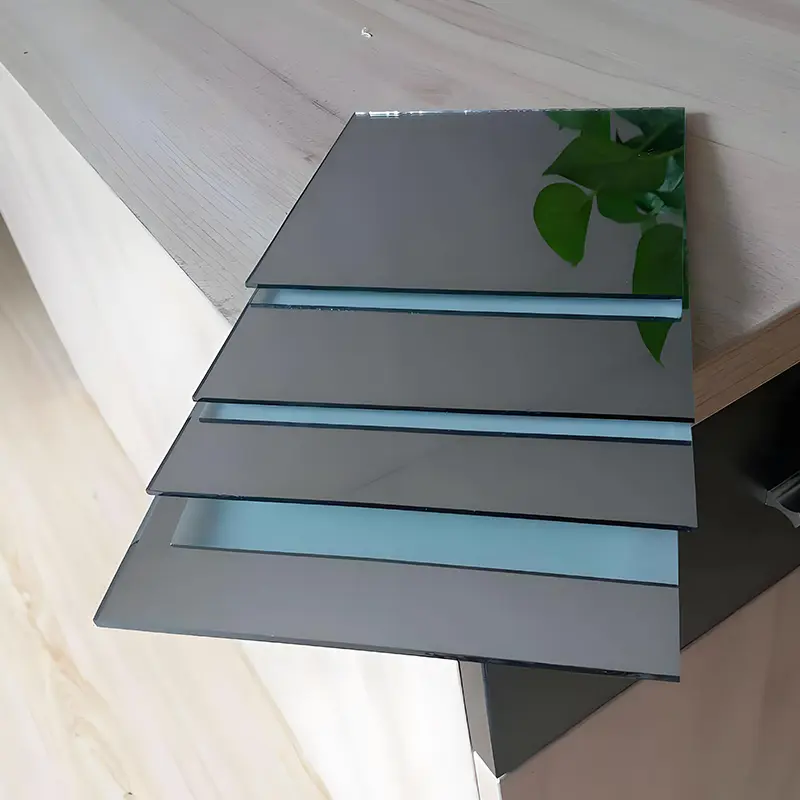
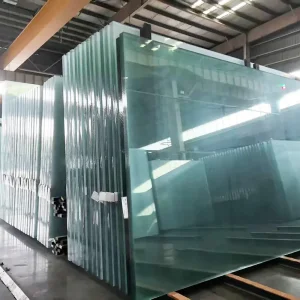
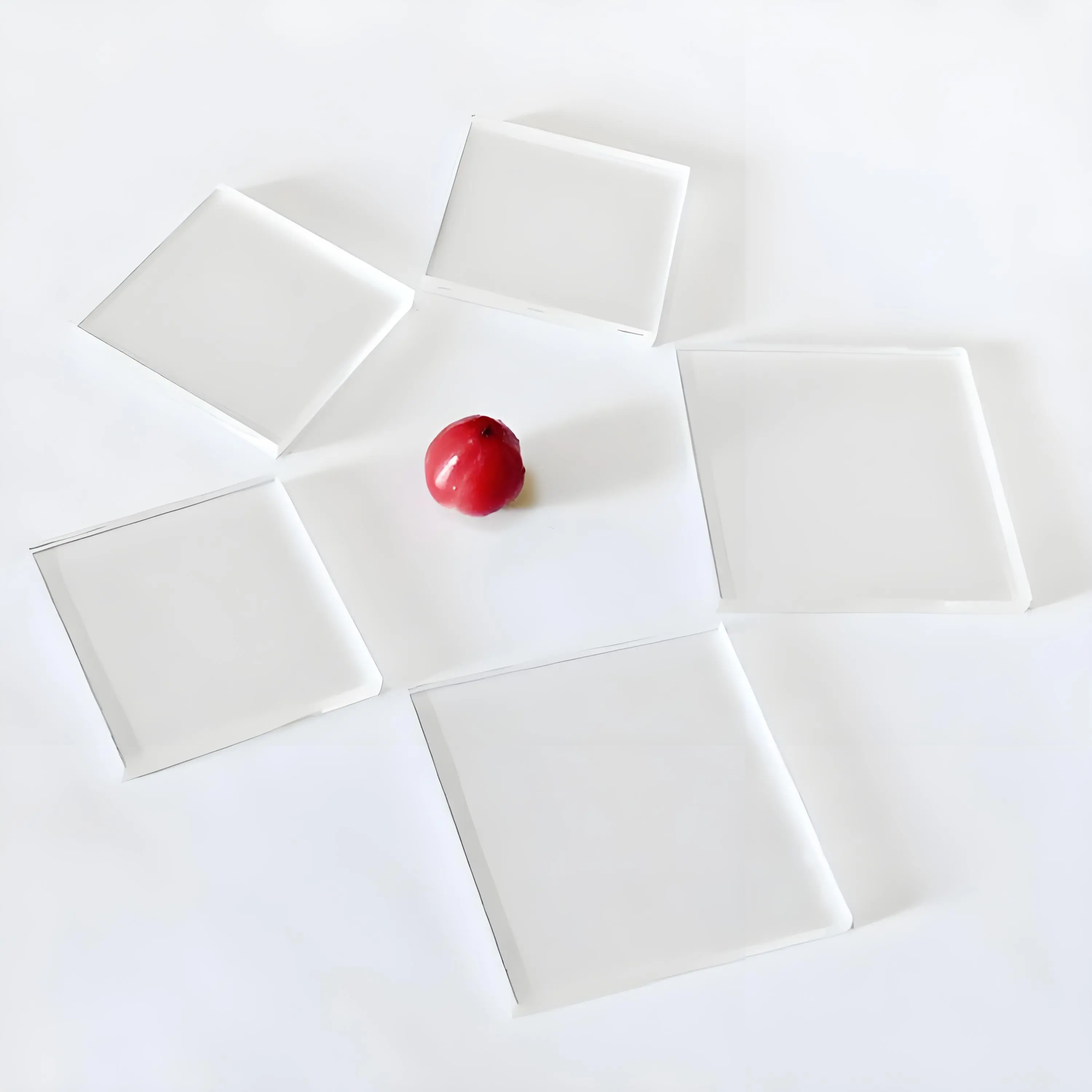
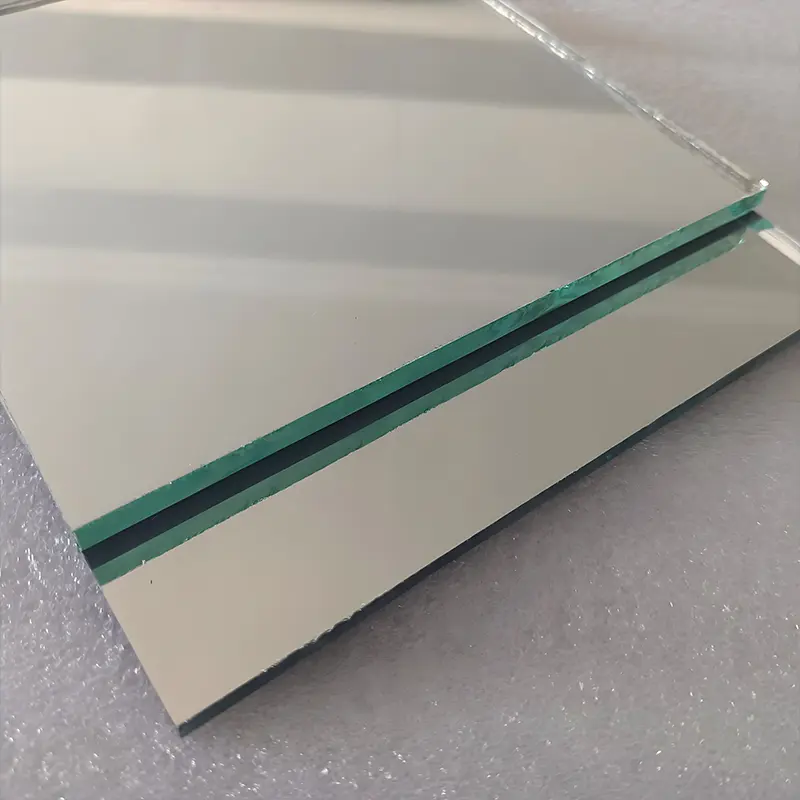
Modern contemporary vanity mirrors are built on layered technology. The substrate glass must undergo precise physical transformations. Below is the industrial standard engineering breakdown for high-performance copper-free vanity mirrors:
| Layer Name | Material Composition | Typical Thickness (µm) | Primary Engineering Function |
|---|---|---|---|
| Substrate Glass | Low-Iron Float Glass (SiO2 + Low Fe2O3) | 4.0 mm - 6.0 mm | 91%+ luminous transmittance, eliminating color distortion. |
| Reflective Matrix | 99.9% Pure Silver Film (Ag) | 0.08 - 0.12 µm | High reflectivity (up to 98%) with excellent luminance. |
| Passivation Barrier | Lead-Free Eco-Friendly Base Coat | 35 - 45 µm | Replaces copper layer, preventing atmospheric silver oxidation. |
| Protective Barrier | Waterproof Epoxide Acrylic Paint | 40 - 50 µm | Defends against steam, humidity, acid-based glass cleaners. |
| Anti-Shatter Film | Woven Fiber Grid / PET Mesh Film | 100 - 150 µm | Holds shards together upon impact, meeting safety standards. |
Through careful mechanical calibration, companies ensure that post-temper processing maintains optical clarity without warping or edge distortion. This is critical for LED-backlit contemporary vanity mirrors, where any deflection yields uneven light refraction and compromised aesthetics.
To maintain E-E-A-T (Experience, Expertise, Authoritativeness, and Trustworthiness) standards on global commercial projects, every batch of mirrors undergoes accelerated aging tests. The Copper Accelerated Salt Spray (CASS) test under ASTM B368 evaluates the corrosion resistance of the reflective coatings. Premium contemporary vanity mirrors show zero edge degradation after 120 hours in CASS chambers, equating to over 10 years of bathroom installation life.
For electrical safety, contemporary smart mirrors require components listed under recognized global standards:
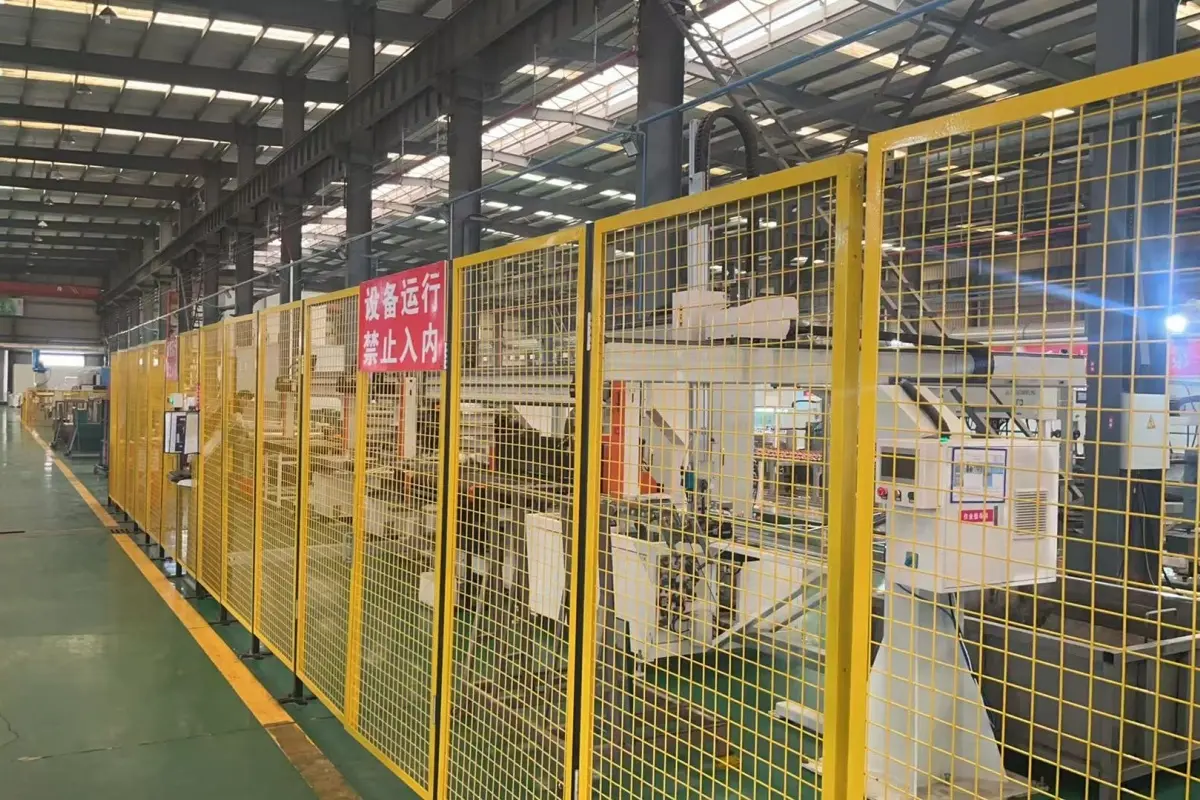
Founded by Bin He, an industry veteran who began his professional journey in glass manufacturing and processing in 2002, Suzhou Jiaerbe Glass Co., Ltd. has established itself as an authoritative supplier of primary sheet glass and processing glass. Driven by a vision to integrate China's vast, premium raw glass resources with global demands, the company delivers high-precision mirror and glass solutions to diverse industries.
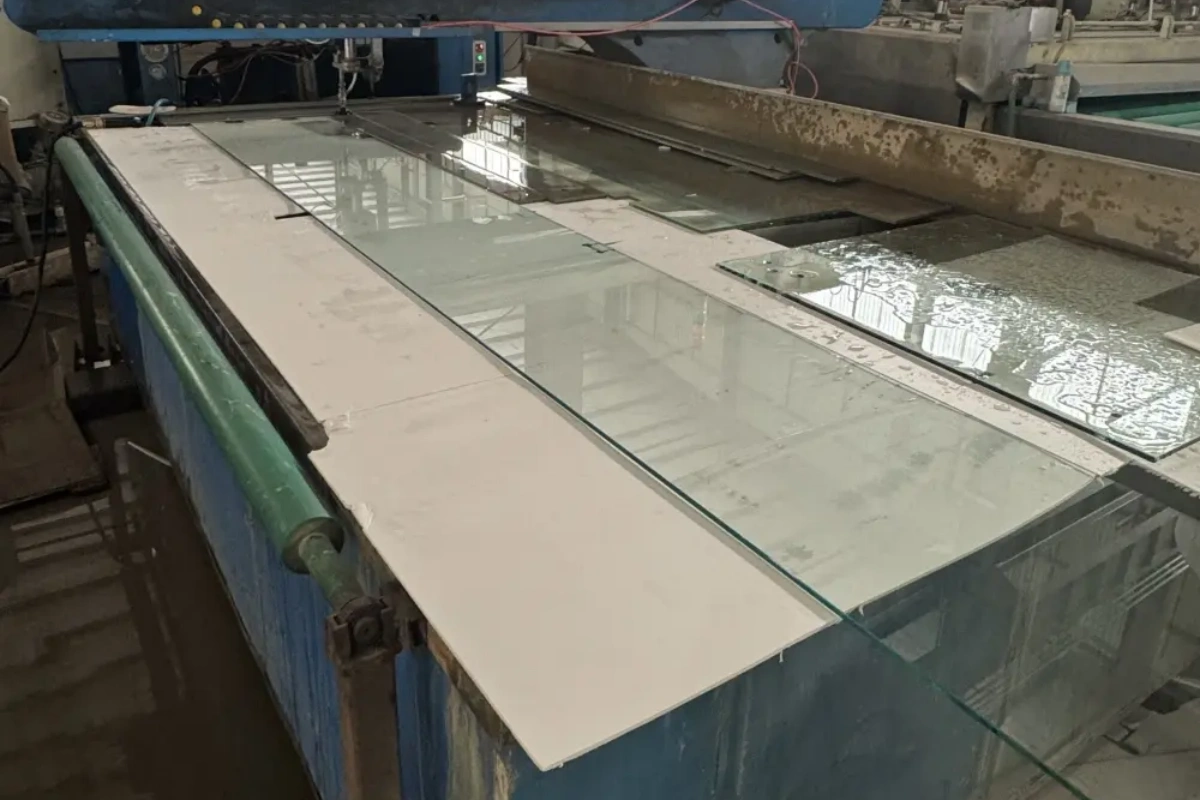
For over two decades, Jiaerbe has integrated raw material sourcing with advanced deep-processing (including state-of-the-art CNC edge grinding, chemical tempering, and high-vacuum sputtering). This enables the company to produce consistent, premium mirror materials for contemporary vanity mirror brands globally.
Providing users with comprehensive services through high-quality products, reasonable prices and excellent after-sales support.
As building automation grows, contemporary vanity mirrors are adopting smart features. The technical roadmap centers on the integration of electrochromic layers directly into the reflective matrix. This enables the mirror to adjust its light transmittance dynamically based on ambient room light sensors.
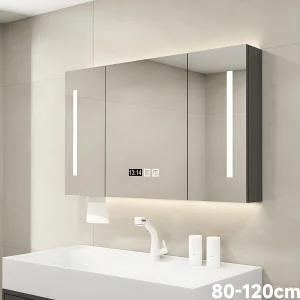
Future contemporary vanity mirrors are designed with human-centric warm dimming (changing color temperature from 2700K to 6500K dynamically) and active capacitive touch points. This shifts mirror production from simple glass handling to precise optoelectronic assembly, demanding cleaner manufacturing environments (Class 10,000 cleanrooms) to ensure that the lamination of the capacitive foil layers is free of dust particles.
Glass transport requires specialized packing to prevent breakage. Suzhou Jiaerbe Glass Co., Ltd. implements custom packaging standards for global shipping:
Connect with our engineering and procurement team for custom specifications, pricing, and volume production capabilities. Let's discuss your next project.
 Jiaerbe Glass