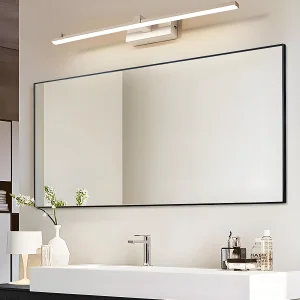
In modern commercial architecture and residential real estate development, the integration of bathroom mirrors and medicine cabinets has evolved from basic sanitary hardware into high-precision, technologically advanced design statements. Sourcing products globally requires an understanding of advanced material science, chemical silvering, mechanical structural design, and international regulatory frameworks. Suzhou Jiaerbe Glass Co., Ltd. sits at the intersection of this industrial evolution, delivering advanced mirror solutions that serve the rigorous needs of global developers, wholesalers, and construction contractors.
"Sourcing mirrors and structural medicine cabinets from China is no longer merely a decision based on cost-efficiency. It is an engineering choice centered around premium quality indices: optical distortion mitigation, structural anti-corrosion, humidity-resistant copper-free backing, and smart home technology integration."
When specifying large-scale hotel developments, high-density residential towers, or hospital facilities, procurement professionals face unique challenges:
Bathrooms represent aggressive micro-environments with persistent high humidity and airborne chemical compounds. Non-specialized glass or standard silvering layers degrade quickly, resulting in edge oxidation (black edges) and catastrophic delamination of structural backing paint.
Substandard float glass substrates possess micro-variations in surface planarity. This results in visual distortion when reflected, a flaw that immediately detracts from premium and luxury architectural environments.
Mirrors suspended on wall mounts or integrated into heavy medicine cabinet doors represent significant physical hazards. Sourcing processes must incorporate advanced glass tempering and lamination methods to meet international building safety codes.
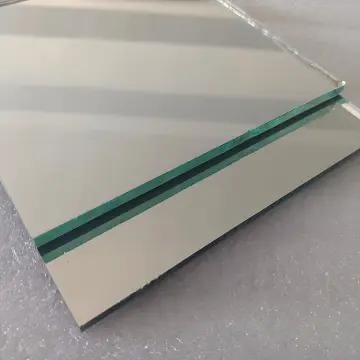
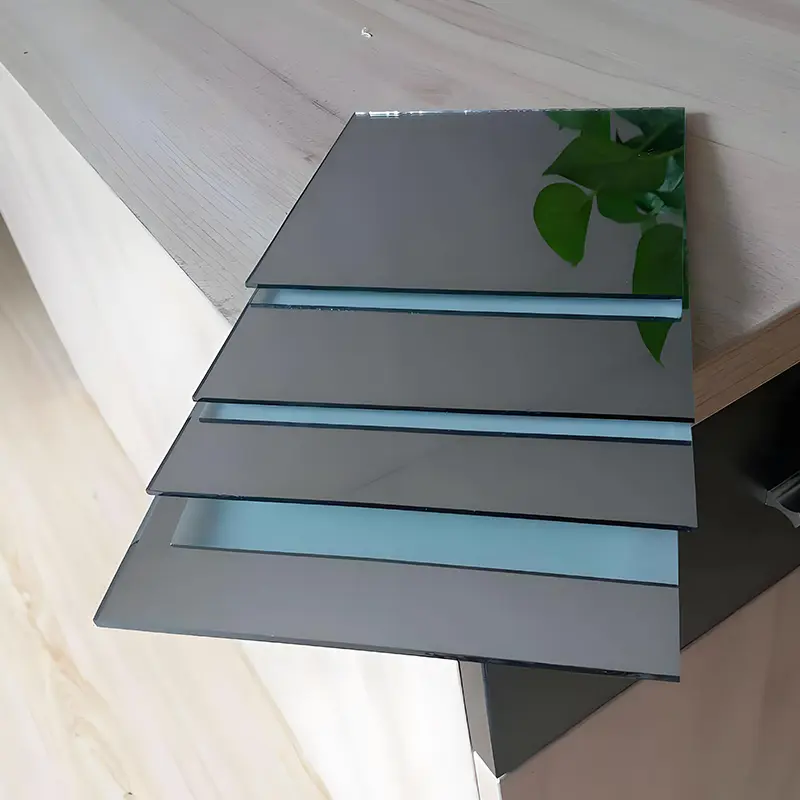
To solve the environmental degradation of bathroom mirror installations, manufacturers like Suzhou Jiaerbe Glass Co., Ltd. rely on rigorous multi-stage coating processes. Standard lower-tier mirrors rely on aluminum coatings, which exhibit low reflectivity (approx. 86%–90%) and are prone to oxidation. Our industrial silvering lines deposit a uniform layer of metallic silver on ultra-white or clear float glass substrates, yielding reflectivity indexes exceeding 95%.
Historically, silver mirrors required a protective layer of copper to shield the delicate silver film from chemical attacks. However, copper layers are easily degraded by household cleaning sprays containing ammonia or acids, resulting in rapid perimeter blackening. Furthermore, standard lead-based backing paints present severe environmental hazards.
Our processing facilities utilize state-of-the-art copper-free mirror coating systems. In this chemical framework, we apply specialized metal-passivating primers directly over the freshly deposited silver film, followed by two layers of chemically cured, lead-free protective backing paint. This technological advancement increases salt-spray corrosion resistance by up to 300% compared to traditional copper mirrors, making them suitable for high-humidity coastal regions and heavy-duty hotel installations.
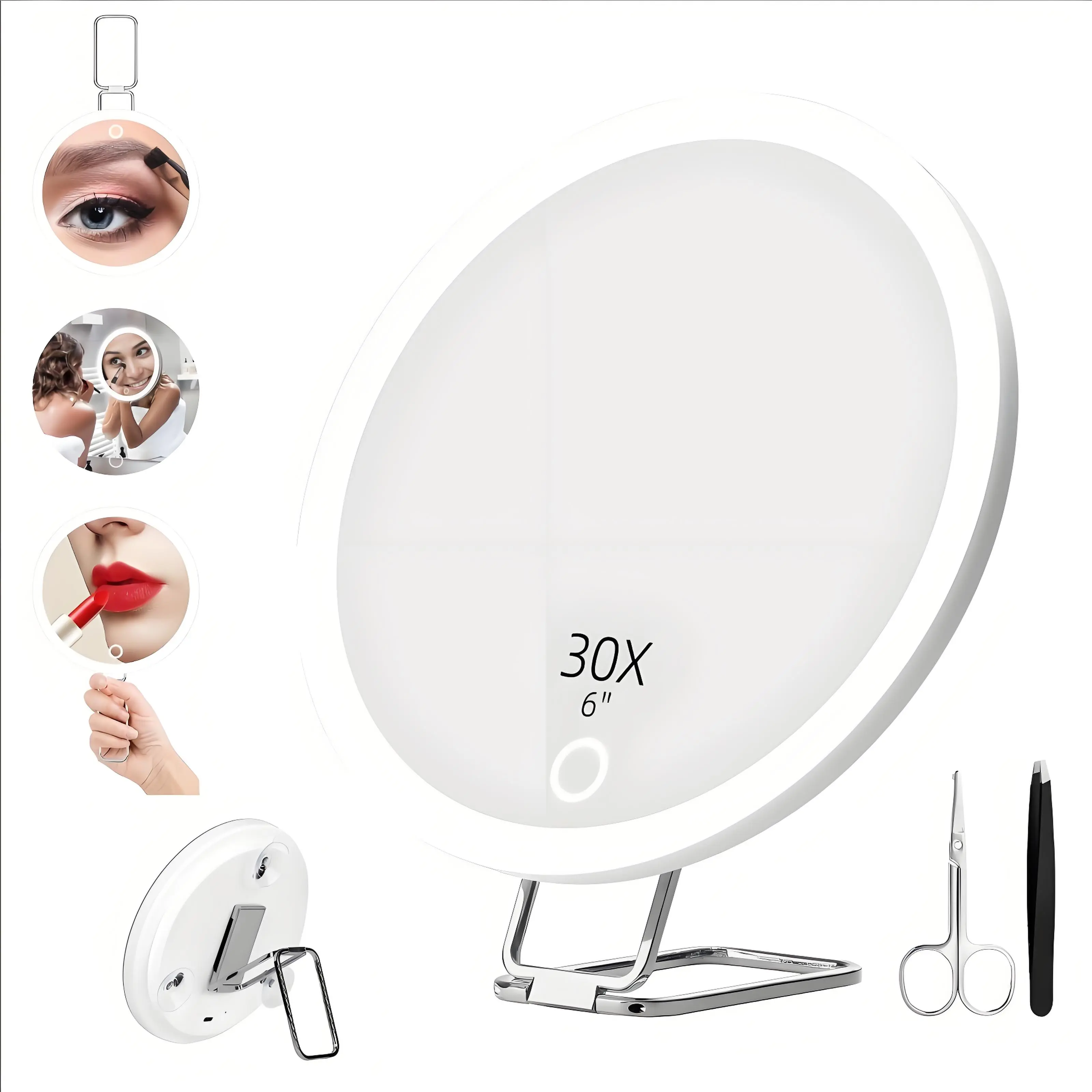

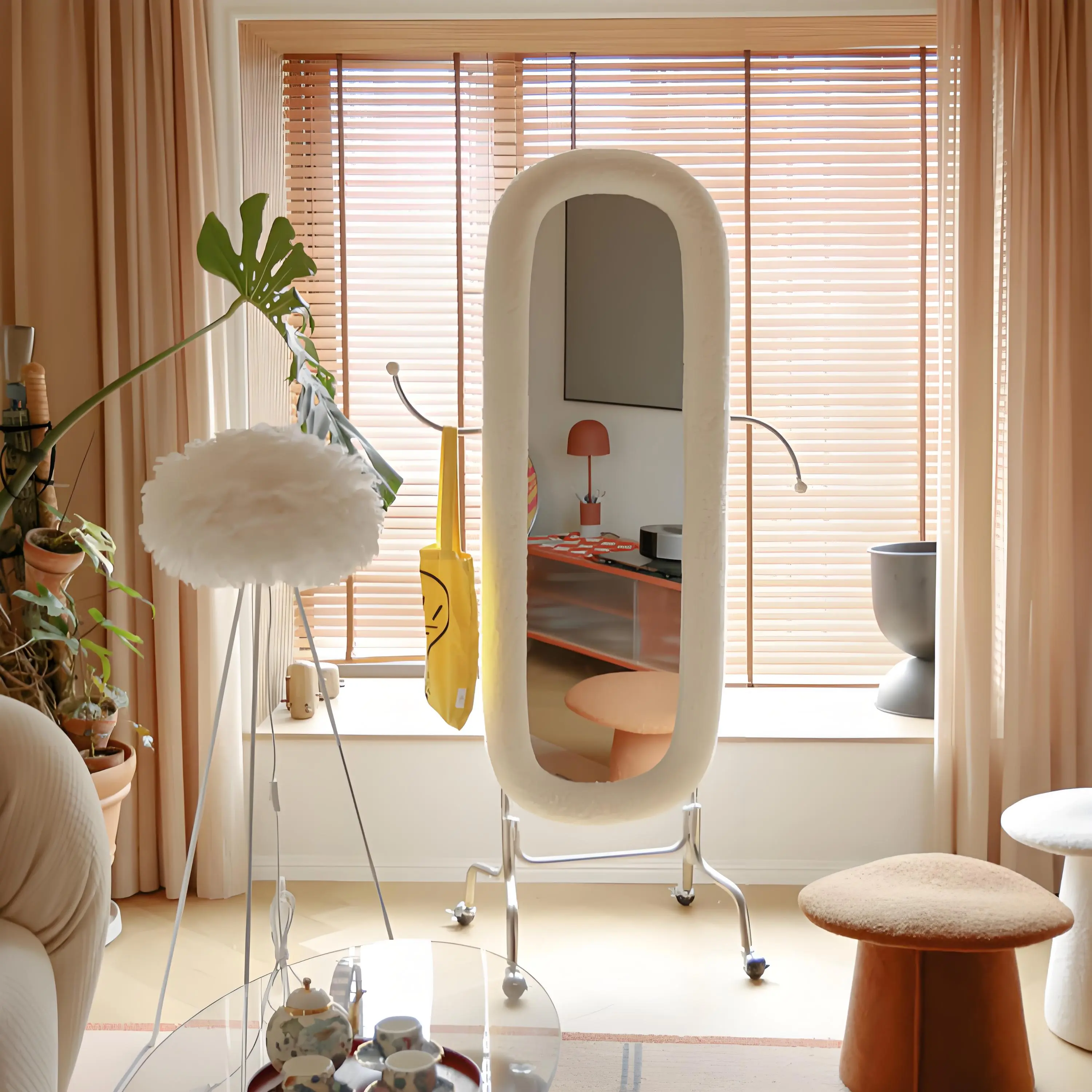
The global medicine cabinet market is experiencing structural design advancements. No longer restricted to simple wood framing with glass doors, luxury commercial projects specify structural high-grade aluminum profiles. Anodized aluminum (such as Alloy 6063-T5) provides optimal strength-to-weight ratios and chemical resilience to constant dynamic humidity.
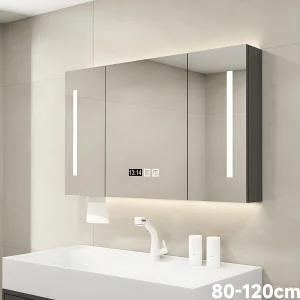
High-end bathroom designs frequently mandate the integration of electronics. Smart medicine cabinets function as centralized IoT nodes in master bathrooms. To deliver these solutions safely, Suzhou Jiaerbe Glass Co., Ltd. incorporates advanced electronic component shielding into its structures.
Engineered with micro-thin PET carbon crystal heating films bonded directly behind the mirror face. When activated, these films generate controlled, low-temperature thermal currents that keep the mirror condensation-free, even in saturated steam environments.
We source ultra-dense LED light strips with high CRI indices (90+). High CRI ratings ensure accurate color representation, crucial for cosmetics application and personal grooming, paired with driver packages that offer smooth 0-10V dimming curves.
To maximize usability, cabinet doors are engineered with double-sided mirrors using structural silicone and specialized industrial adhesive tapes. The interior backing glass features anti-shatter film backings to guarantee user safety in high-traffic settings.
To meet global electrical standards, all internal power tracks, dynamic wiring hinges, touch sensor boards, and drivers must meet stringent certifications, including UL (Underwriters Laboratories) for the US market, CE for Europe, and SAA for Australia. Our medicine cabinets utilize IP44 and IP65-rated electrical enclosures to prevent water vapor ingress.
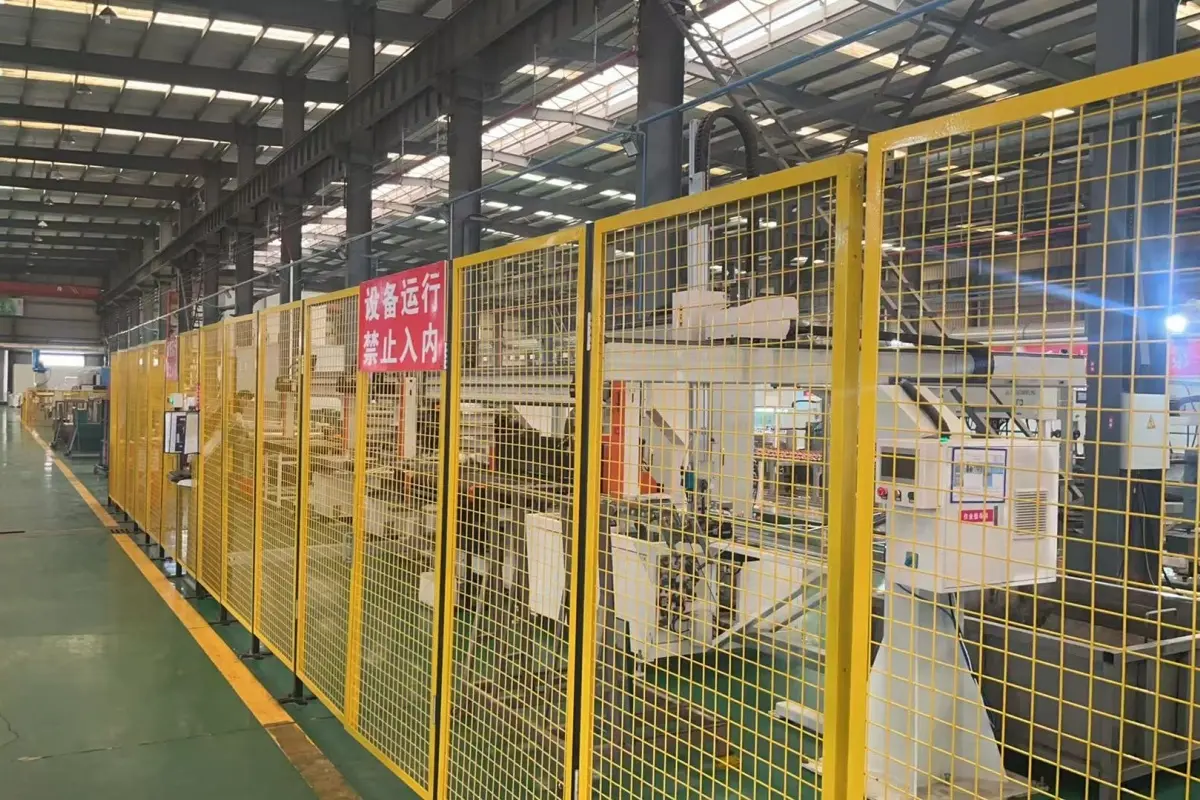
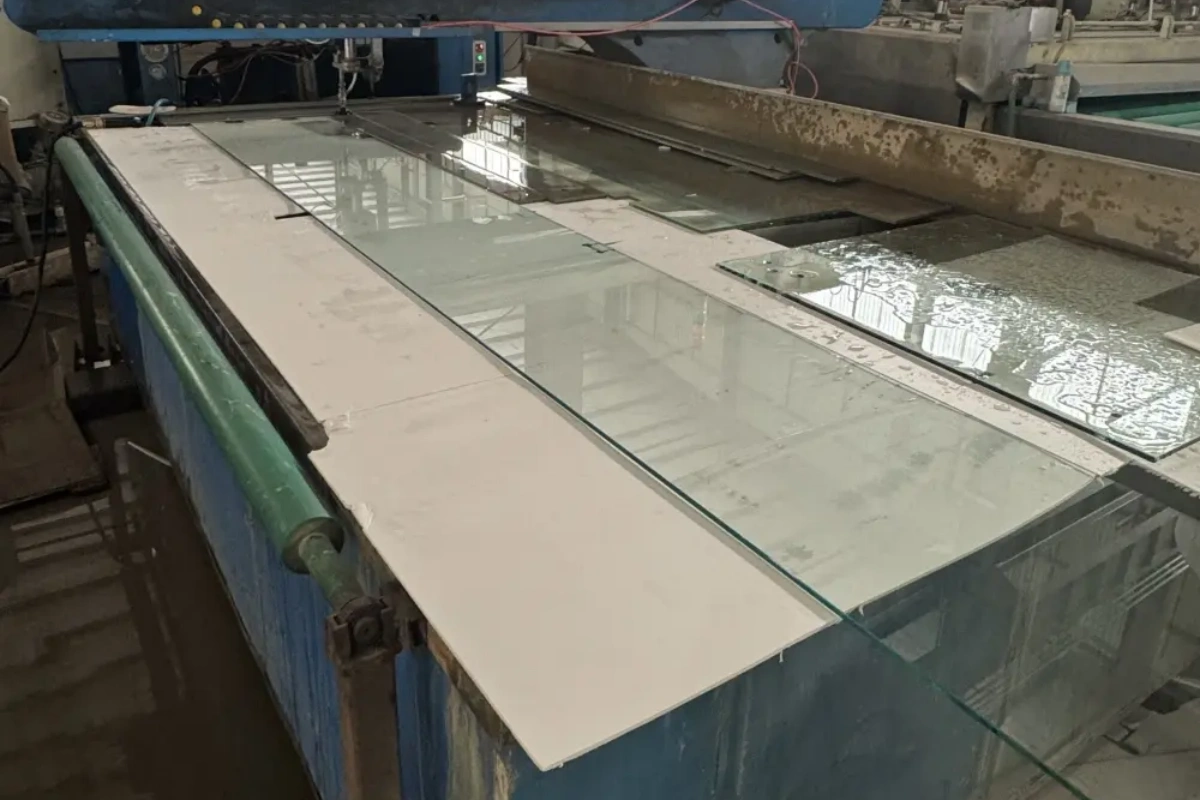
Suzhou Jiaerbe Glass Co., Ltd. is a professional glass sheet and processing glass supplier from China. The company was founded by Bin He, who has worked in the glass industry since 2002, with a wish to integrate China's glass resources and provide high-quality and competitively priced glass to customers around the world. Over the past two decades, under visionary leadership, the company has expanded its manufacturing footprints, deploying state-of-the-art glass cutting, polishing, tempering, silvering, and assembly lines.
Our Corporate Story
Architectural glass products and large mirror assemblies represent a highly fragile cargo category. Procurement processes must mitigate risk at every stage—from production line quality assurance through global maritime logistics to final on-site installation.
The most common source of breakage during intercontinental transit is dynamic shifting within sea containers. Traditional crates constructed of subpar lumber often fail under the massive shear forces experienced on container vessels.
At Suzhou Jiaerbe Glass Co., Ltd., we mitigate these physical risks through engineered, custom-fit packaging systems. Heavy-gauge mirrors are interleaved with non-reactive protective paper or shock-absorbing cork spacers to prevent surface abrasions. The glass bundles are then crated in heavy-duty plywood crates bound with industrial steel bands. For medicine cabinets, we use full-envelope molded Styrofoam corner protectors and double-wall corrugated outer cartons, capable of passing standard ISTA-3A drop test requirements.
Commercial hospitality projects operate under tight scheduling constraints. If a single glass element is delivered out of tolerance or broken, it can disrupt entire construction sequences.
We resolve this supply chain challenge by deploying strict Quality Control (QC) protocols. Each production batch undergoes dimensional calibration, edge beveling assessments, optical distortion testing, and electrical wiring safety checks. Our direct raw glass resource integration allows us to respond quickly to custom architectural requests.
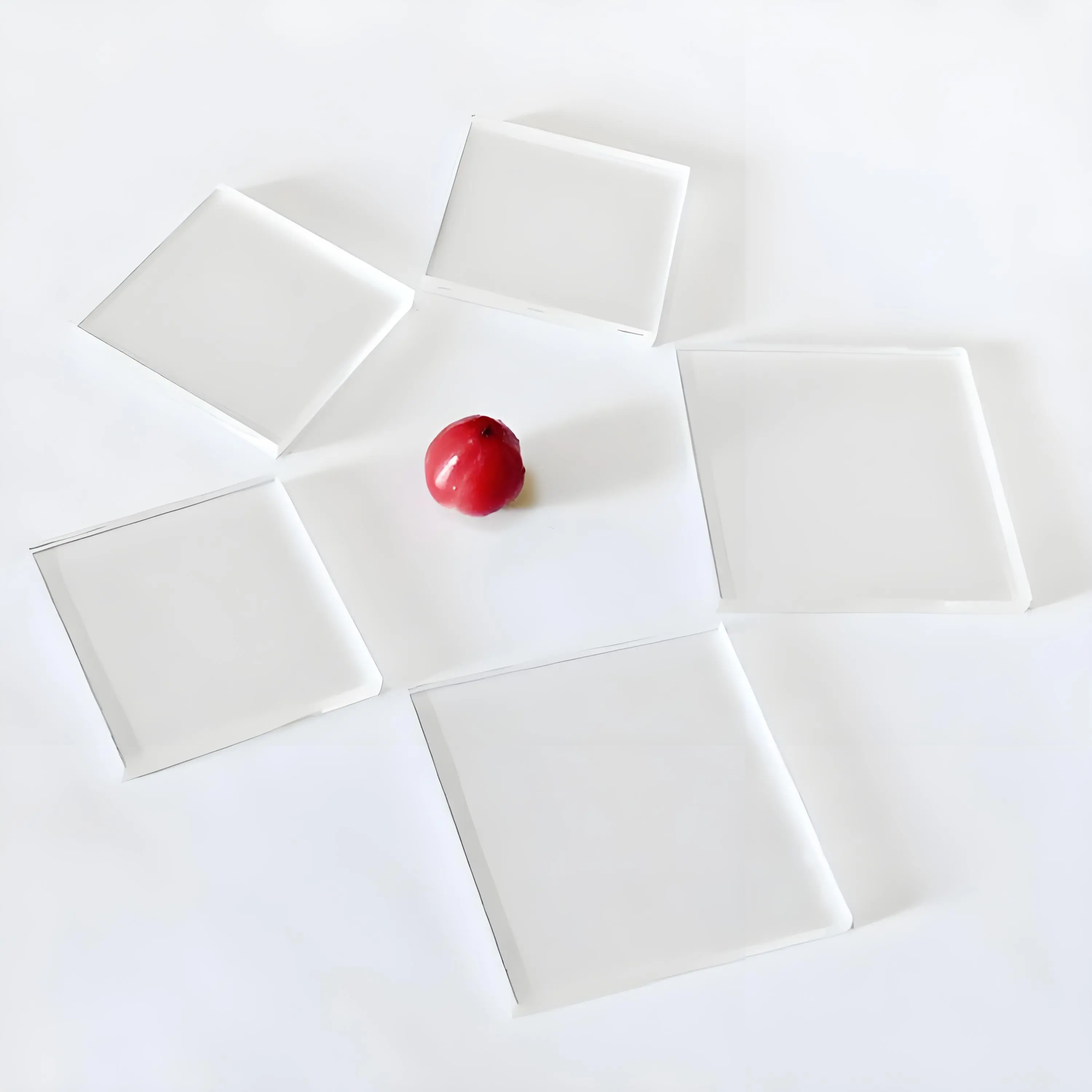
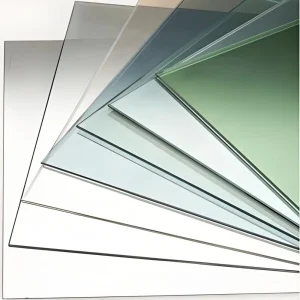
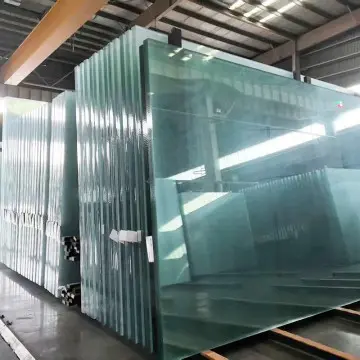
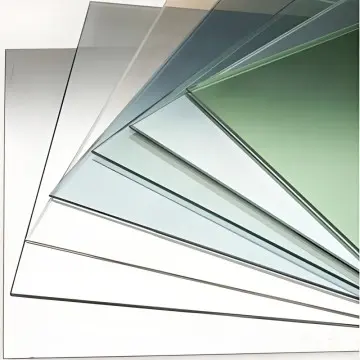
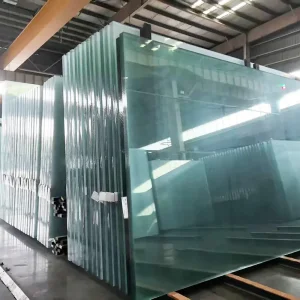
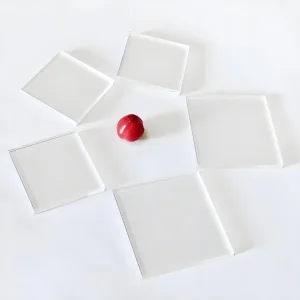
High-capacity float glass sheets of exceptional optical purity, suitable as substrates for high-grade silvering lines.
Read more
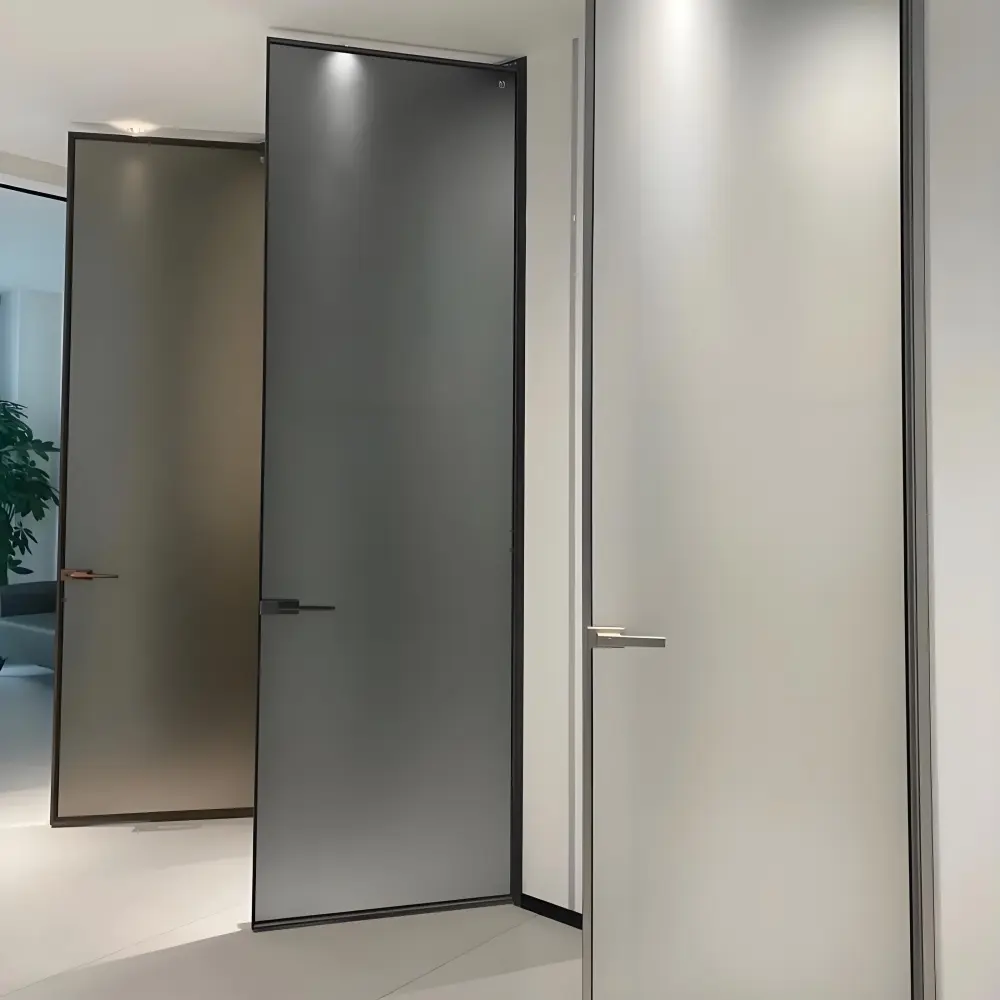
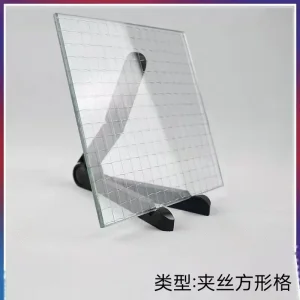
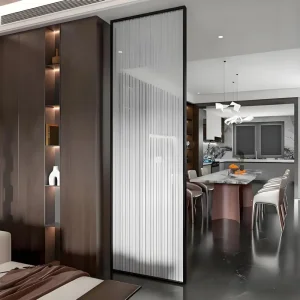
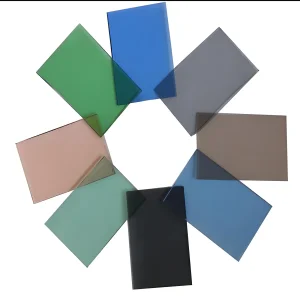
Advanced custom shaping, beveling, internal laser engraving, and custom mesh inclusions for interior designers.
Read more
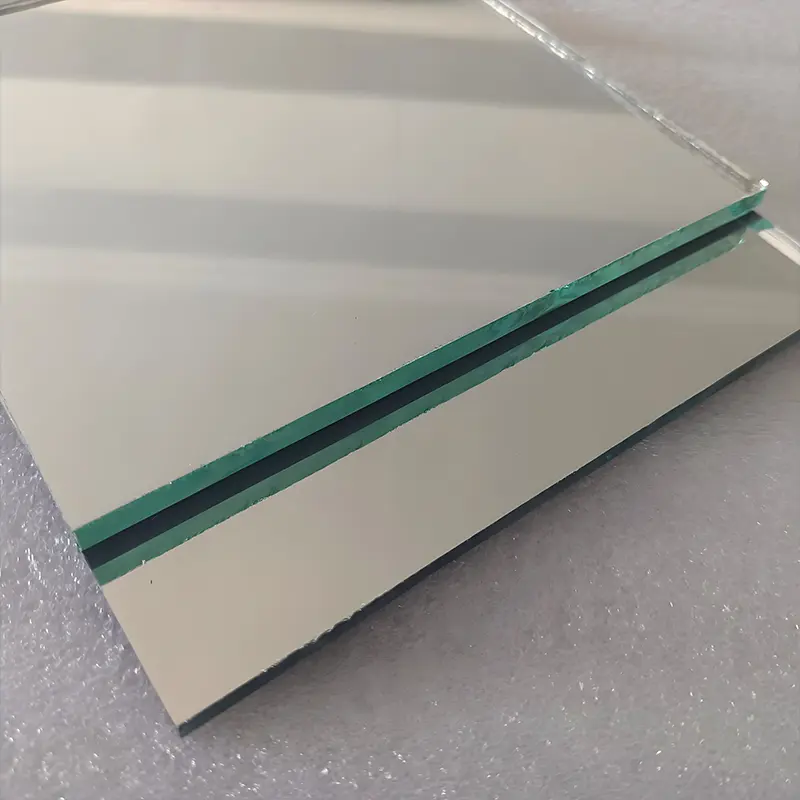
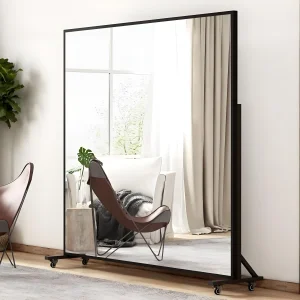
State-of-the-art copper-free silvering, temperable backings, safety backings, and smart electronic frame mounting integrations.
Read more
The architectural landscape is moving towards digital and material integration. As energy-efficiency codes become more stringent globally, mirrors and glass elements must contribute to green building metrics (such as LEED or BREEAM certifications).
Future manufacturing roadmaps at Suzhou Jiaerbe Glass focus on minimizing the carbon intensity of the melting and float processes. By incorporating recycled cullet into float glass lines and transitioning to clean gas energy sources, we aim to reduce the carbon footprint of each bathroom cabinet and mirror by 20% over the next decade. Additionally, the development of water-based protective backing paints represents a major step forward, eliminating Volatile Organic Compounds (VOCs) during the curing phase and during final indoor product lifetime exposure.
The next frontier of smart medicine cabinet engineering is the integration of highly transparent OLED displays directly into the mirror face. These systems maintain near-perfect reflection when off, but can display high-resolution information—such as weather reports, health metrics, and smart lighting controls—upon touch or voice activation. High-reliability solid-state electrical components will replace mechanical switches, extending operational life to over 50,000 continuous hours.
Silver mirrors use a chemical reduction process to coat a layer of metallic silver on glass, yielding reflectivity above 95% with neutral color rendering. Aluminum mirrors use vacuum deposition to apply an aluminum layer, reflecting roughly 86%-90% of light and introducing a slight gray hue. Silver mirrors also have significantly higher resistance to corrosion in humid environments.
Traditional mirrors use a copper layer to protect the silver. However, copper reacts with humidity and cleaning chemicals, causing the silver layer to oxidize and turn black. Copper-free mirrors replace this layer with a non-metallic passivating primer and specialized backing paints, preventing oxidation at the cut edges of the glass.
All electronic assemblies, touch sensors, and drivers are certified under UL/cUL for the United States and Canada, and CE/RoHS/REACH for the European Union. Cabinet structural components meet EN 12150 standards for tempered safety glass, and wood backing panels are CARB Phase 2 compliant for low formaldehyde emissions.
We pack mirror sheets in heavy-duty plywood crates bound with steel, with individual sheets separated by cork spacers or non-reactive paper. For finished medicine cabinets, we use molded foam corner blocks and double-wall corrugated cartons that pass ISTA-3A drop test standards, preventing breakage during intercontinental transit.
Yes. Our processing glass—including switchable smart glass, tempered sheets, and laminated panels—is engineered specifically for humid environments. We apply moisture-resistant sealants to edges to prevent delamination and structural degradation over the product's lifespan.
Request technical whitepapers, factory audits, or custom project estimates
 Jiaerbe Glass