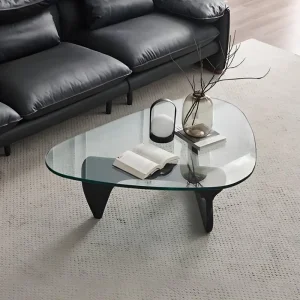
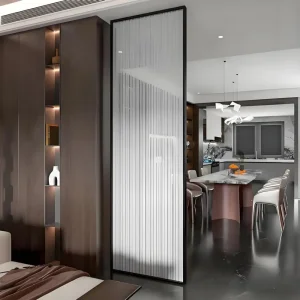
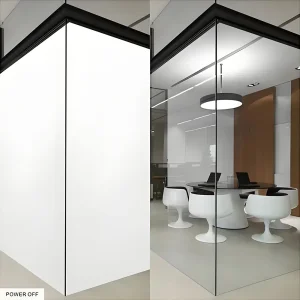
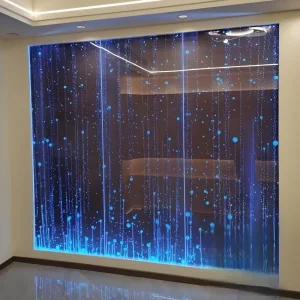
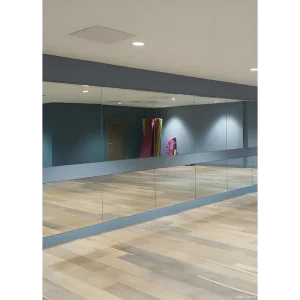
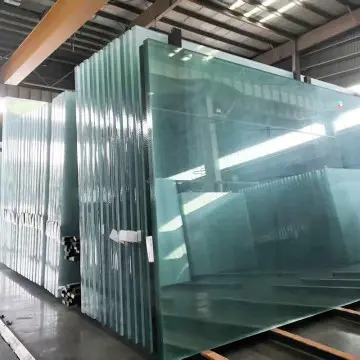
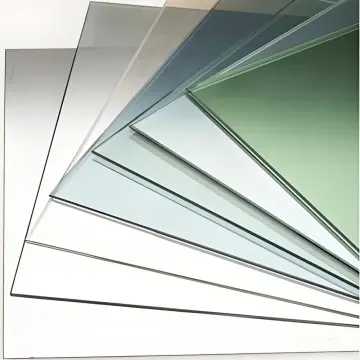
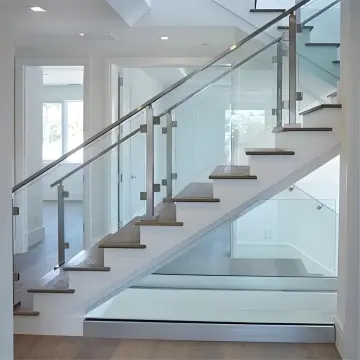
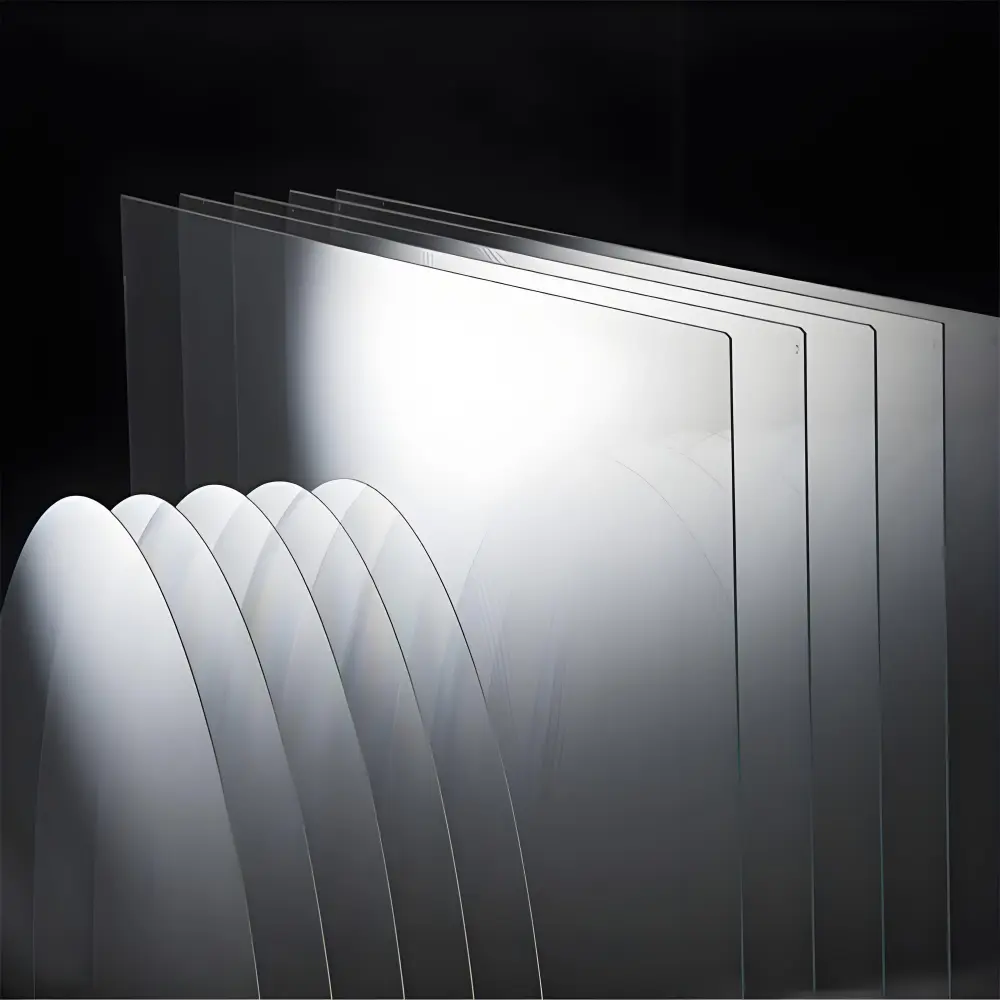
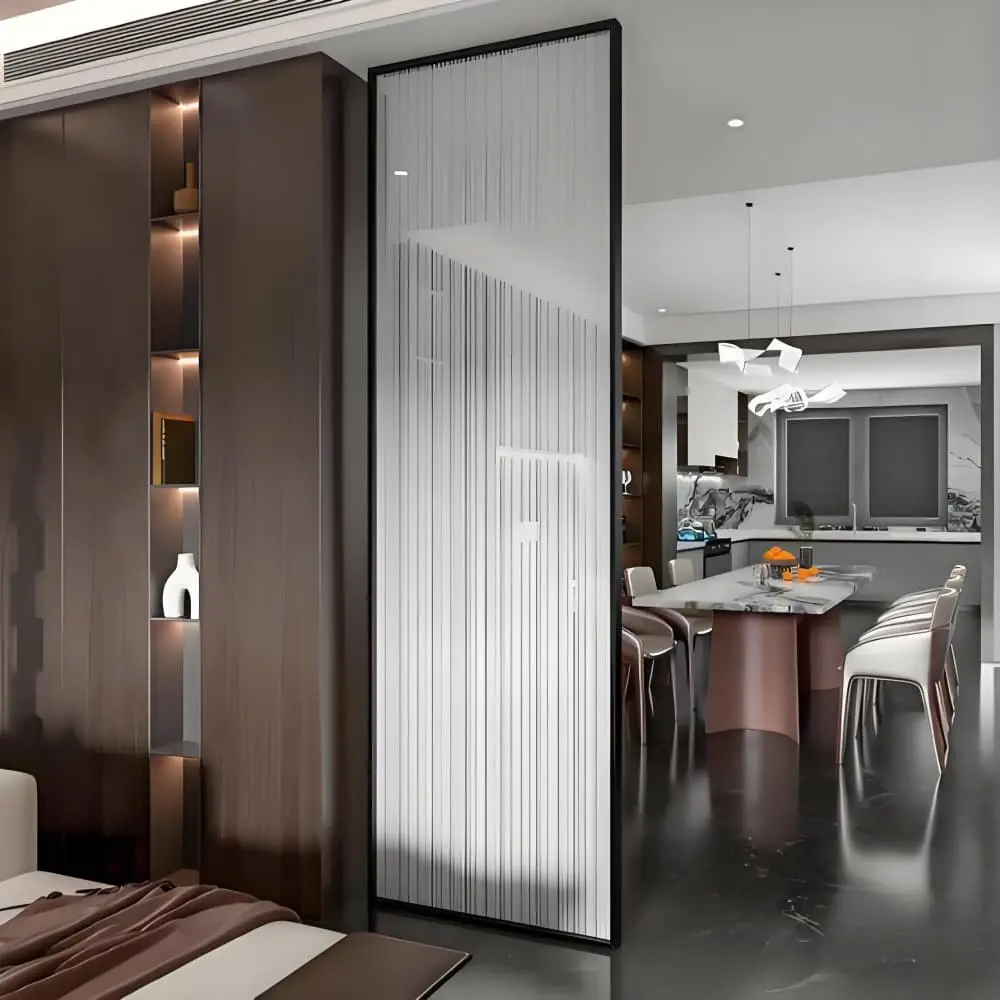
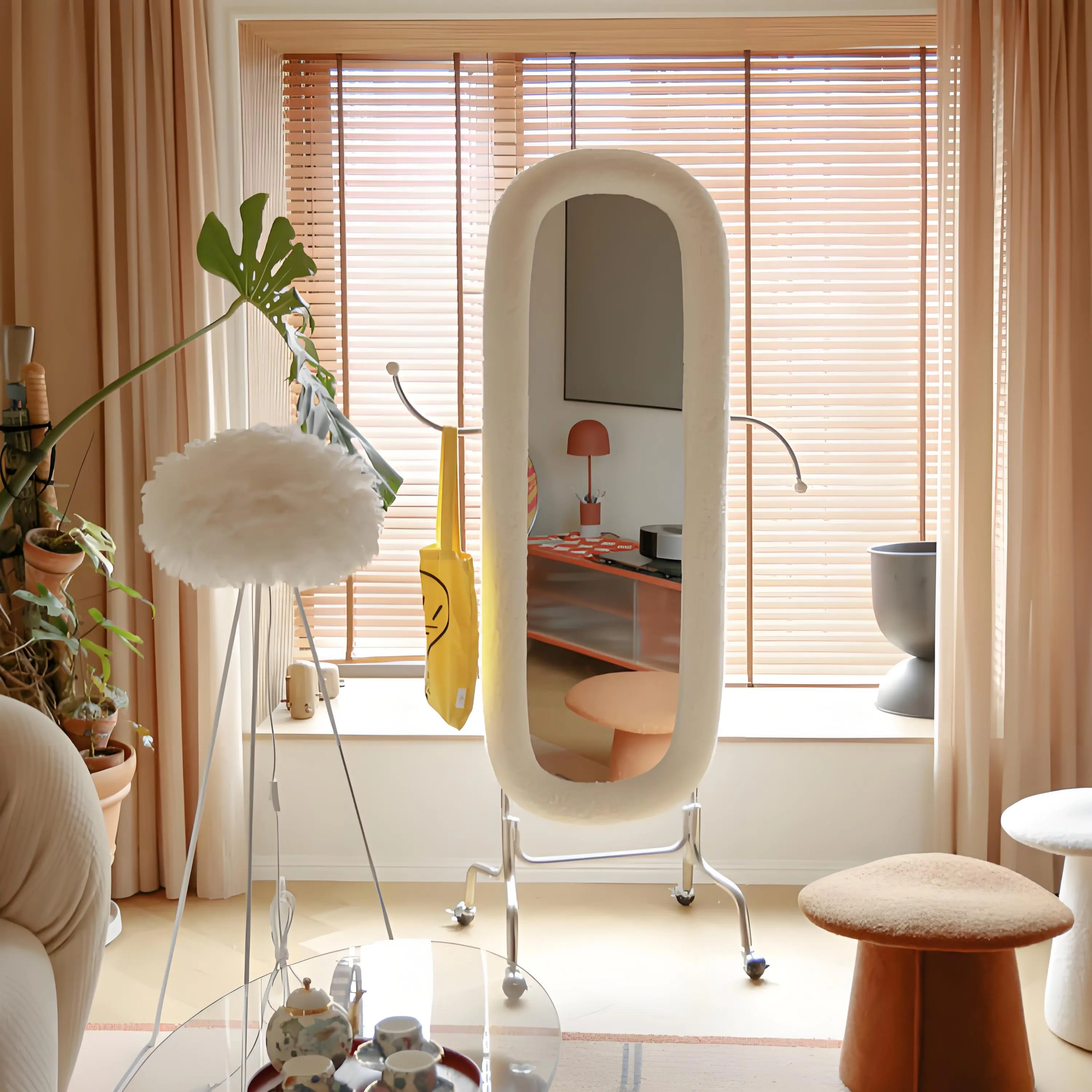
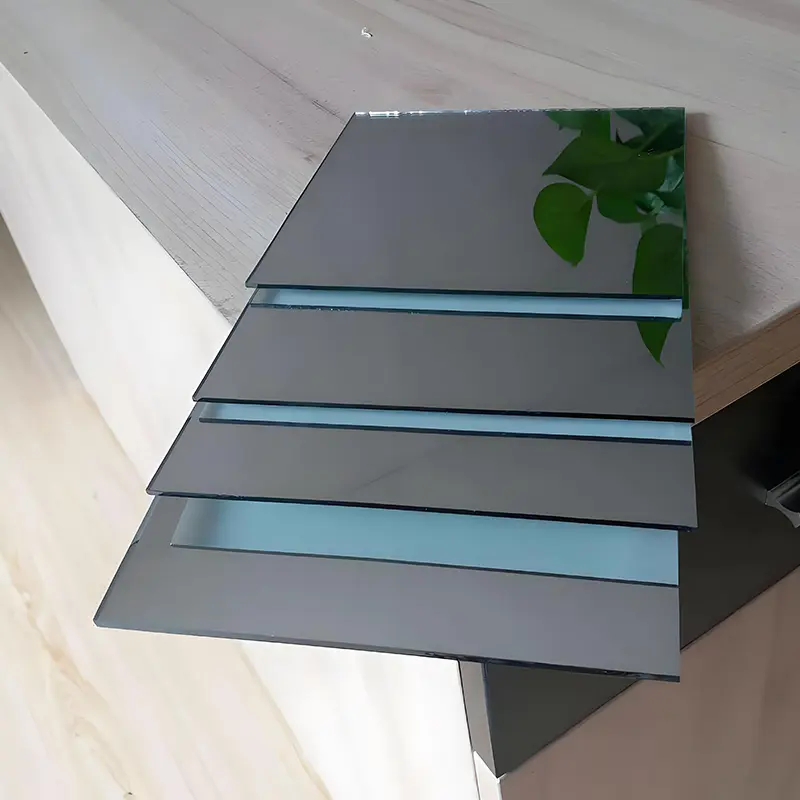
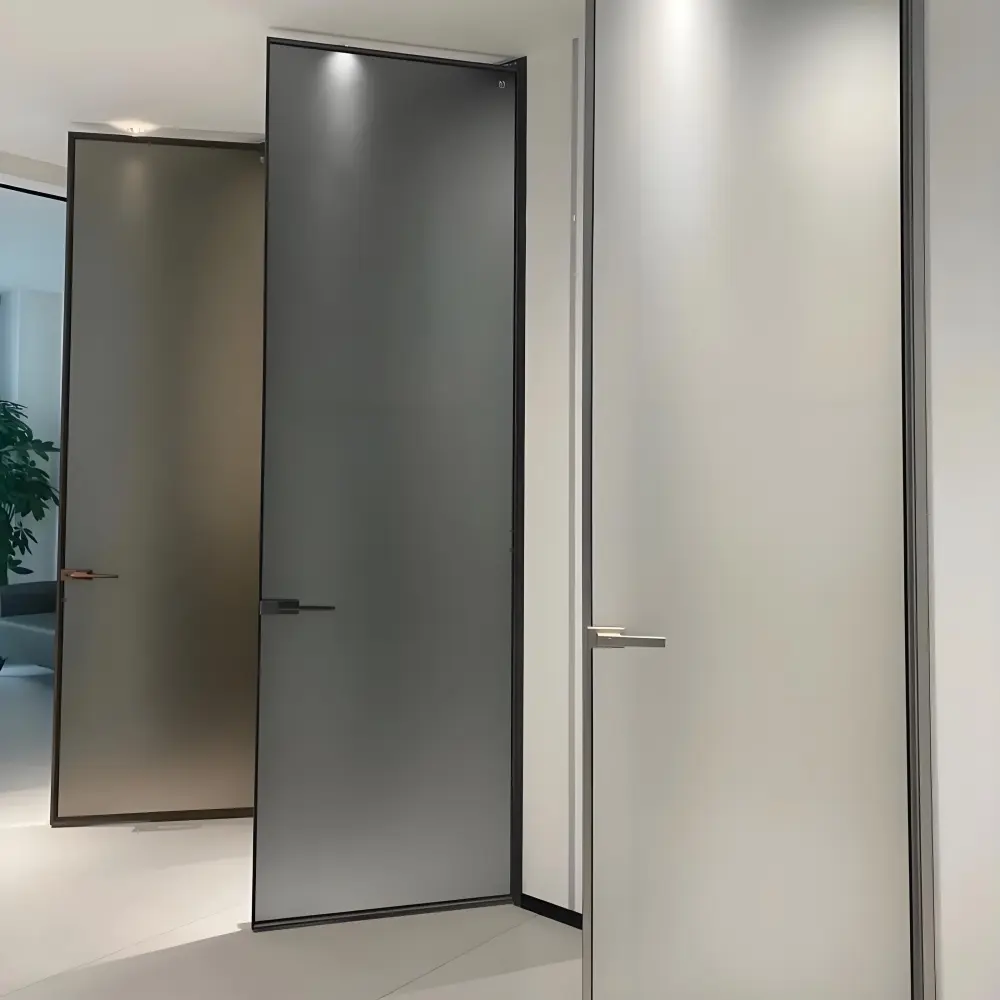
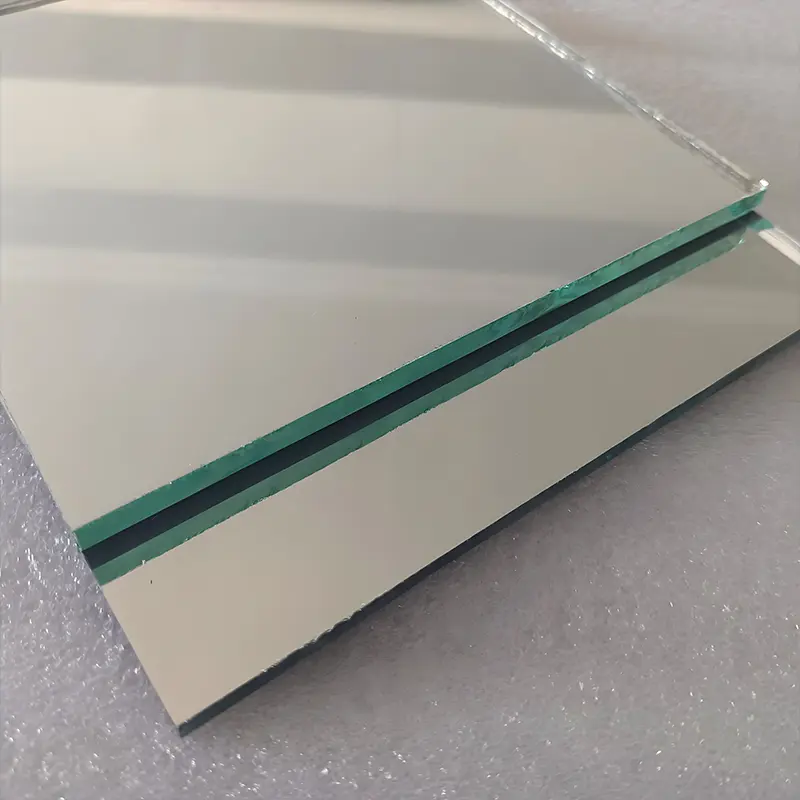
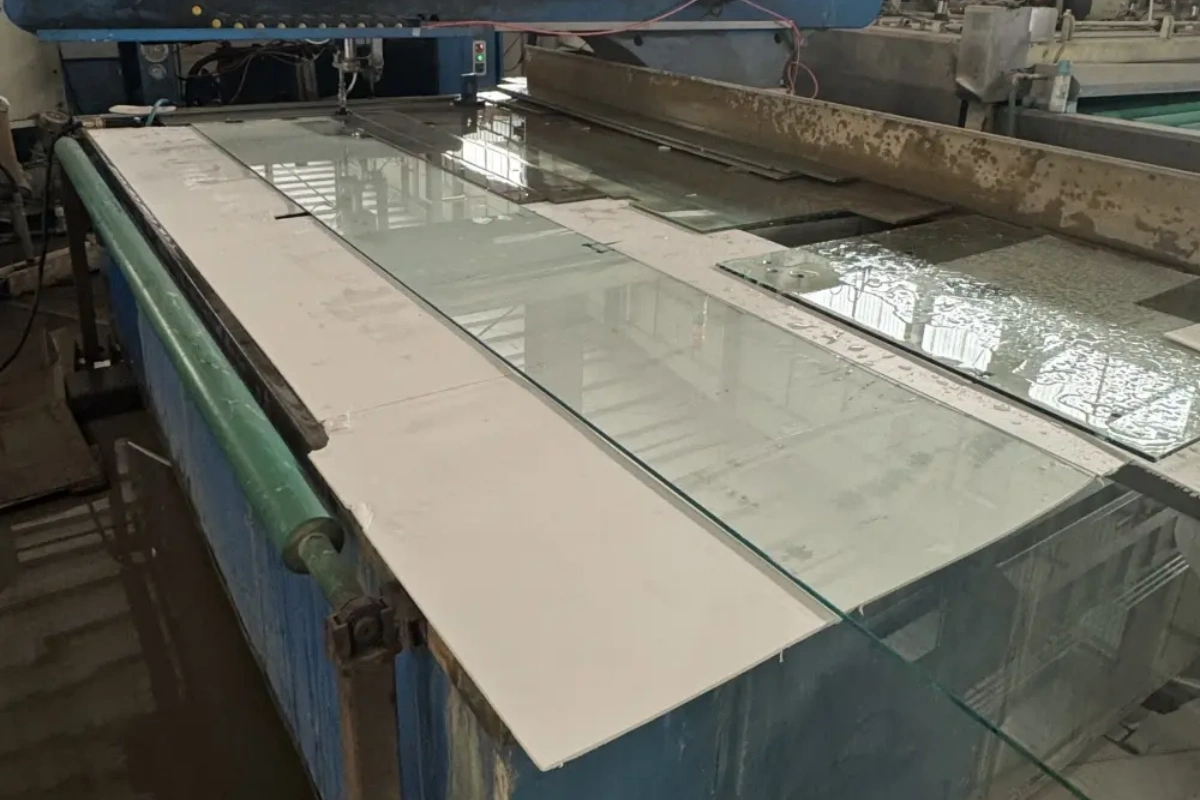
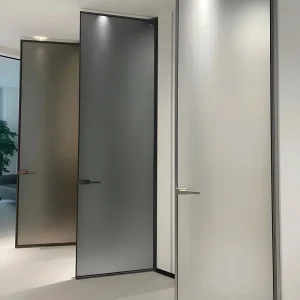
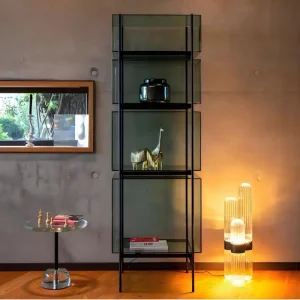
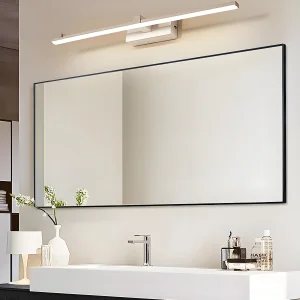
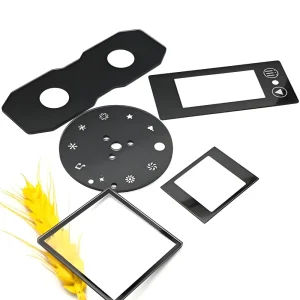
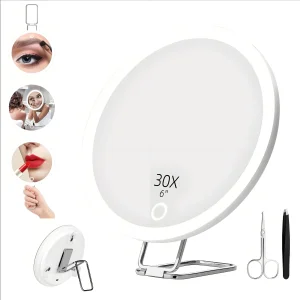
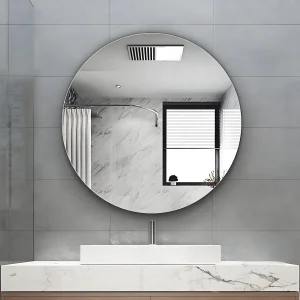
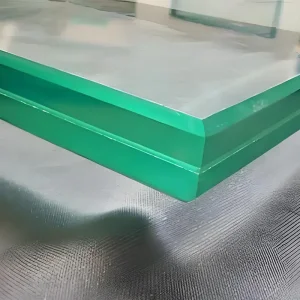
These product links are retained from the original catalogue and are presented with direct procurement access. Use them as a starting point for sample requests, OEM/ODM discussion and project-specific specifications.
The phrase “Buy Glass Block Cellar Windows Companies & Service” signals a high-intent procurement journey. The searcher is not simply asking what a glass block is. They are comparing manufacturers, exporters, OEM/ODM service providers, engineering support, lead times, packaging quality, compliance documentation and installed performance. This is a commercial-investigation query with strong B2B and premium residential intent: the buyer wants a reliable company, not a random catalogue page.
This resource is written for architects, distributors, facade contractors, basement renovation specialists, wine cellar builders, developers and homeowners who need a repeatable way to evaluate glass block cellar window suppliers. It treats cellar windows as part of the building envelope. Daylight, privacy, security, moisture control, condensation risk, thermal bridging, ventilation, structural support and local building-code requirements all affect the final specification. A low unit price can become a costly choice if the window assembly does not address these factors.
Our recommendation is to shortlist suppliers using a total value framework: sample quality, edge and surface inspection, pattern consistency, frame and seal design, packaging survivability, export documentation, communication speed and after-sales support. The strongest Chinese factories combine material access, processing depth and export experience. The sections below explain how to compare companies, how to write an RFQ, which technical questions to ask and how to avoid common sourcing mistakes.
Use the eight featured products above for initial research. Then compare quotations against the specification checklist and FAQ below. Where a project requires fire rating, egress, acoustic targets or specific U-values, final compliance must be confirmed by the project engineer and the selected glass assembly supplier.
Information gain: this page connects semantic search intent with real procurement decisions, not only product names.
A cellar window is a building-envelope assembly, not just a decorative glass panel. In basement, wine cellar, lightwell and stairwell applications, the window must balance daylight, privacy, security and moisture performance.
Glass block cellar windows are assembled from glass blocks, often square or rectangular, with mortar, silicone or prefabricated frame systems. The assembly may include ventilation openings, reinforcement, weather sealing and removable panels. Block size, thickness, pattern, coating and frame design must be coordinated with the wall opening.
Clear glass blocks transmit daylight while obscuring direct views. Frosted, textured or colored blocks can increase privacy. For wine cellars and basement rooms, the ideal balance usually combines visible daylight with controlled solar gain and no loss of structural security.
Cellars are sensitive to condensation, damp and cold bridging. Buyers should discuss frame insulation, air sealing, drainage, ventilation, thermal breaks and glass coating with the supplier. In cold climates, a thermally broken frame and controlled interior humidity are often more important than the block color alone.
Semantic search rewards content that answers the real decision behind the query. The same keyword can represent very different procurement needs.
Needs U-value logic, solar control, visible light transmission, fire strategy, acoustic data, CAD details, samples and code-aware documentation. The supplier must communicate in technical language and support design-assist reviews.
Needs stable quality, repeatable packaging, container optimization, OEM labeling, mixed-model orders, lead-time reliability and commercial terms. They value a supplier that can scale without changing the product standard.
Needs accurate sizes, durable edges, clear installation guidance, secure crating and replacement-part planning. Installation sequence and tolerance coordination often determine whether a beautiful window performs as intended.
Needs visual options, privacy, security, low maintenance and a trustworthy service path. Premium residential buyers respond to simple explanations of condensation, ventilation, cleaning and long-term value.
China’s glass processing cluster offers depth that many buyers underestimate. In regions such as Jiangsu, Zhejiang and Guangdong, suppliers can access float glass, mirror, tempered glass, laminated glass, coated glass, switchable glass and precision cutting services within a mature supply chain. For a glass block cellar window programme, this means one factory can often coordinate block supply, frame components, sealing, hardware, packaging and export documentation instead of forcing the buyer to manage many small vendors.
Suzhou Jiaerbe Glass Co., Ltd. is a professional glass sheet and processing glass supplier from China. The company was founded by Bin He, who has worked in the glass industry since 2002. with a wish to integrate China's glass resources and provide high-quality and competitively priced glass to customers around the world. This experience matters because export-grade glass is not defined by the catalogue photo alone. It is defined by incoming material inspection, cutting accuracy, edge grinding, tempering control, lamination quality, surface protection, sealing, packing and shipment consistency.
A reliable China factory advantage includes custom sizes, pattern matching, mixed-product consolidation and rapid sampling. Buyers can request clear or textured blocks, laminated safety build-ups, low-e or solar-control glazing for adjacent windows, mirrors for cellar interiors, switchable privacy glass for premium rooms and anti-reflective glass for display areas. The factory can support OEM/ODM service, private labeling, carton design and project-specific QC plans.
Cost is only one part of the case. The stronger advantage is process integration: fewer handoffs, faster iteration, better control of breakage risk and one technical contact who can connect specification to production. For global distributors and developers, that integration shortens the learning curve and improves repeat-order consistency.
Cooperation regions reported by the company include Mainland China, North America, South America, Europe and Australia. This multi-region exposure helps the factory anticipate different expectations for packaging, tolerances, documentation and installation habits.
E-E-A-T note: claims in this guide should be verified for each project through samples, inspection files, references and commercial terms.
The market is moving toward higher performance, more integrated services and smarter visual options. Buyers who understand these trends can write better specifications and reduce project risk.
Buildings are targeting lower operational carbon and better occupant comfort. For cellar windows, this means attention to frame insulation, air tightness, solar gain, condensation resistance and coordination with low-e or solar-control glazing in adjacent fenestration.
Laminated glass, reinforced assemblies, secure anchors and impact-resistant designs are increasingly requested for basements and ground-level lightwells. Fire-rated or egress requirements should always be verified against local codes and certified systems.
Switchable glass and mixed-material systems are creating new options for wine rooms, home cinemas and premium basement suites. These products add convenience but require power planning, control strategy and spare-part support.
Prefabricated frames, BIM coordination, recyclable packaging and lower-carbon glass sourcing are becoming differentiators. Distributors prefer factory-assembled kits that reduce site labor and damaged components.
Local climate, building tradition and code requirements change the specification. A solution for a European townhouse basement may not suit an Australian coastal home, a North American wine cellar or a Middle East hospitality project.
Glass block windows can deliver soft daylight without exposing the cellar interior. The design should manage UV, temperature stability, humidity, condensation and cleaning access. Decorative patterns can add a premium architectural detail.
North American and European basements often need privacy at street level, daylight in a family room and secure ventilation. Buyers should verify egress requirements, window-well drainage and insulation continuity before ordering.
Hotels, restaurants and offices use glass blocks to renovate lightwells, stairwells and corridors. Prefabricated panels and repetitive production improve speed and consistency in multi-floor projects.
Hot climates need solar control and heat management. Cold climates need thermal breaks and condensation control. Coastal projects need corrosion-resistant hardware and careful sealing. Each case requires a project-specific specification.
Supply partners can review opening sizes, reveal details, movement joints, frame interfaces, drainage and installation sequence. A well-managed design-assist process reduces site surprises and helps distributors present credible technical packages to their clients.
For distributors, OEM labels, neutral packaging, product kits, mixed-container loading and repeat-order specifications create a more sellable offer. For project buyers, ODM support can turn a custom design into a production-ready assembly.
Glass is heavy, fragile and moisture-sensitive. A professional supplier plans corner protection, interleaving, foam, crates, pallets, desiccant and container loading. Pre-shipment inspection photos and packing verification protect both buyer and factory.
To get comparable quotations from glass block cellar window companies, convert your design intent into measurable requirements. The strongest RFQs include dimensions, climate data, code requirements, delivery terms and sample expectations.
The original featured product area is retained with its product names, images and “See More” interaction.
professional manufacturer, specialized in R&D, manufacturing and marketing of cosmetics packaging products..
Suzhou Jiaerbe Glass Co., Ltd. is a professional glass sheet and processing glass supplier from China.
The company was founded by Bin He, who has worked in the glass industry since 2002. with a wish to integrate China's glass resources and provide high-quality and competitively priced glass to customers around the world.
For buyers searching for glass block cellar window companies and service, this background provides relevant experience in glass sourcing, processing coordination and export supply. The company is committed to providing users with comprehensive services through high-quality products, reasonable prices and excellent after-sales support.
Our story
E-E-A-T principle: experience is demonstrated through years in the glass industry; expertise through technical process knowledge; authority through multi-region cooperation; trust through clear documentation and verifiable quality controls.
Cooperation regions: Mainland China, North America, South America, Europe, Australia
The company has been established for ten years.
With more than 20 years of experience in the glass industry.
The annual sales volume is 10 million euros.
The company is committed to providing users with comprehensive services through high-quality products, reasonable prices and excellent after-sales support.
All inspirations
Find out about the latest updates from Suzhou Jiaerbe Glass Co., Ltd., including new product series releases, customer partnerships, and other real-time information.
Our journals
These answers are written to support supplier comparison, RFQ preparation and installation planning. Project-specific compliance must be verified by the responsible engineer.
Start with the opening dimensions, wall construction, climate exposure, required privacy level, ventilation strategy and local code requirements. Confirm whether the window needs egress, fire rating or impact resistance. Ask for a sample, frame detail, installation sequence and packaging plan. Price should be compared only after the specification is identical.
Yes, when the assembly is correctly detailed for moisture, insulation and ventilation. Glass blocks can provide diffuse daylight and privacy, but wine cellars require stable temperature and humidity. The designer should consider UV exposure, condensation risk, window-well drainage, cleaning access and the surrounding insulation continuity.
Many factories can support custom dimensions, pattern selection, colored blocks, laminated safety build-ups, frame fabrication and mixed-product orders. The buyer should provide drawings, tolerances, intended use and sample expectations. Custom work should always be approved through a pre-production sample or detailed shop drawing.
Define the target U-value, climate data and interior humidity assumptions. Review frame type, thermal breaks, air sealing, drainage and glass coating options. For cold climates, condensation resistance depends as much on installation and ventilation as on the glass block itself. A project engineer should validate the final assembly.
Options may include laminated glass, tempered glass in adjacent windows, reinforced frames, secure anchors and impact-resistant assemblies. For ground-level cellar windows, security film, grating and restricted opening designs may also be considered. Fire-rated or egress performance should only be claimed where the complete system has the required certification.
Ask for process videos, material certificates, inspection reports, packing photos, reference projects and sample tracking records. Compare the supplier’s technical answers with independent standards. A trustworthy factory explains limitations clearly, documents assumptions and provides traceable communication rather than promising every requirement without evidence.
MOQ and lead time depend on size, pattern, frame design and production load. Buyers should ask for a sample schedule, sample cost reimbursement policy, drawing approval date, production lead time and inspection date. A responsible quotation separates sample time from bulk production time and states what must be approved before the deposit.
Export packaging usually includes protective interleaving, foam, corner guards, moisture protection, pallets or plywood crates and clear shipping marks. For mixed containers, heavy and fragile items must be separated logically. Buyers should request loading photos and confirm whether the packaging suits local unloading and site storage conditions.
A professional supplier should provide approved drawings, packing lists, installation recommendations, maintenance guidance and a clear response path for claims. For complex projects, request a pre-installation checklist covering support, anchoring, sealing, drainage and protection of glass until practical completion.
Compare against the same specification, delivery term, packaging standard, inspection plan and warranty. Check whether the quote includes drawings, samples, certification support, spare parts and after-sales response. The lowest price can be misleading if the supplier excludes critical detailing or packaging protection.
Switchable glass can add privacy for premium wine rooms, home cinemas or street-facing basements. Laminated glass may improve safety and security in adjacent windows. The buyer should consider power supply, controls, maintenance, replacement cost and the interaction between these products and the glass block assembly.
Typical documentation may include commercial invoice, packing list, bill of lading, certificate of origin and inspection records. Product-specific certificates or test reports should be discussed before order placement. The required document set depends on the destination market, project contract and importer’s compliance process.
Send your opening sizes, glass block pattern preference, project location, required performance and delivery target. The more complete your RFQ, the faster a useful factory response can be prepared.
For glass block cellar windows, include a window schedule, elevations, target U-value, privacy requirement, ventilation preference and local code notes where available.
The remaining eight original product links are retained below with their images and direct product URLs. Compare them with the first showcase when building a mixed product order or OEM/ODM programme.
 Jiaerbe Glass