Namibia's architectural landscape is undergoing a significant transformation. Driven by national development initiatives such as the Harambee Prosperity Plan II and massive investments in infrastructure across the Walvis Bay Corridor, the demand for high-performance processing glass and high-durability mirrors has soared. From modern high-rise developments in the Windhoek CBD to coastal hospitality resorts in Swakopmund and Henties Bay, architectural finishes must meet strict physical standards to survive the unique environmental challenges of the Southwest African coast.
Namibia is home to one of the most demanding climates on Earth. The hyper-arid Namib Desert experiences extreme diurnal temperature swings, where ambient heat can collapse by up to 40°C between day and night. For raw sheet glass and processing mirror products, this creates immense thermal stress. Unprocessed or low-quality glass sheets are highly susceptible to thermal fracture under these conditions.
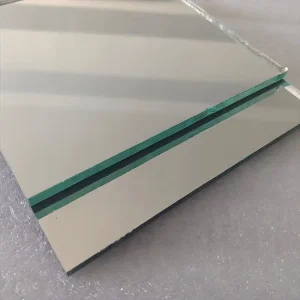
Furthermore, coastal zones such as Swakopmund and Walvis Bay face a severe corrosive threat from the Atlantic Ocean's Benguela Current. A dense, saline, and sulfur-rich fog frequently rolls inland. Traditional silver mirrors with copper backings degrade rapidly in these maritime zones, experiencing silver oxidation (black edge creep) within months of installation. For this reason, modern Namibian building specs mandate the import of premium copper-free mirrors and custom double-coated silver mirrors that feature high-resistance epoxy backings.
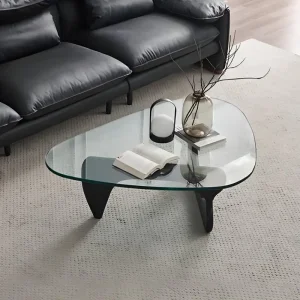
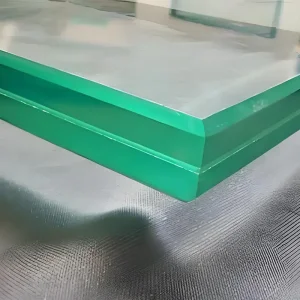
Under the Southern African Development Community (SADC) harmonization protocols, commercial glass installations in Namibia must comply with SANS 1263-1 (South African National Standards) safety qualifications. This requires the integration of tempered, heat-strengthened, or laminated processing glass in structural glazing, public facades, balustrades, and overhead skylights to mitigate catastrophic failure risks.
As a global partner to Namibian construction companies, developers, and wholesale distributors, Suzhou Jiaerbe Glass Co., Ltd. supplies high-performance mirror substrates. Understanding the chemical differences between silver, aluminum, and copper-free mirrors is critical for proper project planning in Sub-Saharan projects.
| Mirror Type | Core Coating Technology | Corrosion Resistance | Optic Clarity | Best Applied in Namibia |
|---|---|---|---|---|
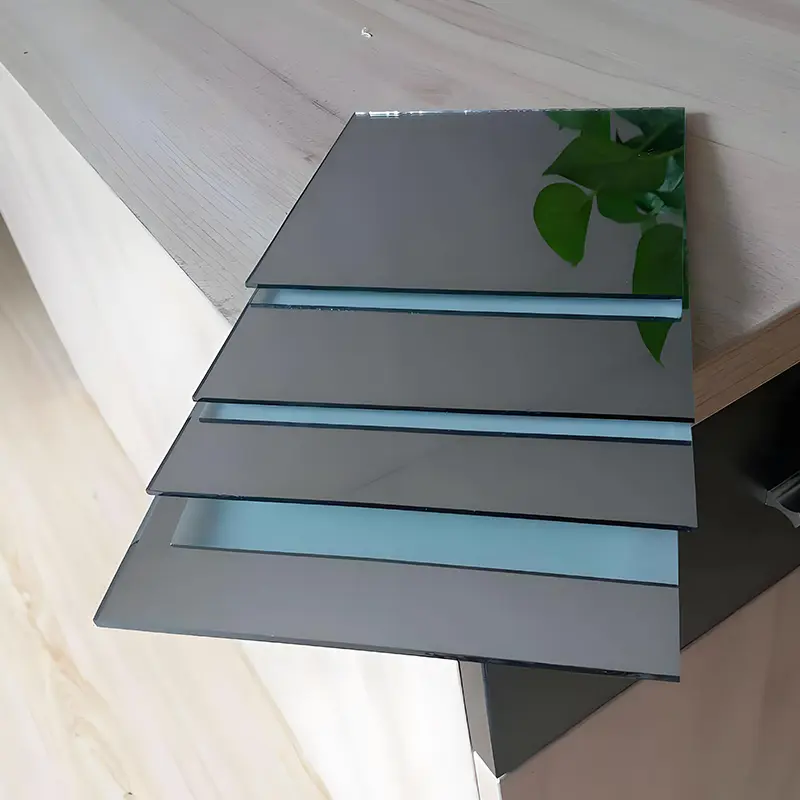
| Copper-Free Mirror | Dual-layer lead-free protective paint + direct silvering | Outstanding (salt-spray test > 120 hrs) | Ultra-High (clear or low-iron float) | Coastal residential & hotel luxury bathrooms |
| Premium Silver Mirror | Double-coated Fenzi paint + chemically deposited silver | High (salt-spray test > 90 hrs) | High reflective index (≥ 90%) | Windhoek corporate offices, retail gym fit-outs |
| Aluminum Mirror | Magnetron vacuum sputtering aluminum layer | Moderate (dry-zone optimized) | Standard reflection (approx 85-87%) | Industrial interior cladding, inland housing schemes |
| Temperable Mirror | High-vacuum magnetron sputtered dielectric/metal layers | High structural safety tolerance | Excellent reflection (temperable safety grade) | Elevator cabins, high-density public hallways |
Industrial procurement teams representing major Namibian construction firms recognize that importing finished processing glass directly from specialized Chinese factories provides substantial savings. Suzhou Jiaerbe Glass offers customized production, combining precision float-glass manufacturing with advanced finishing. Our services cover CNC cutting, automated flat/bevel/pencil edge polishing, safety filming (Category I & II backing), and custom laser interior engraving.
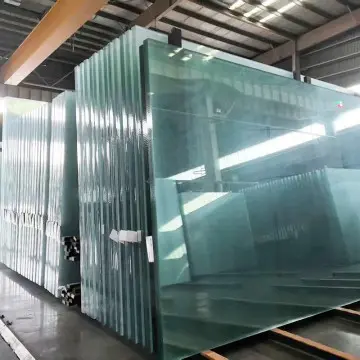
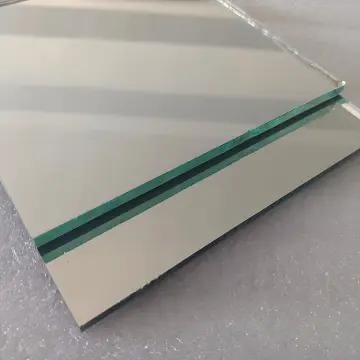
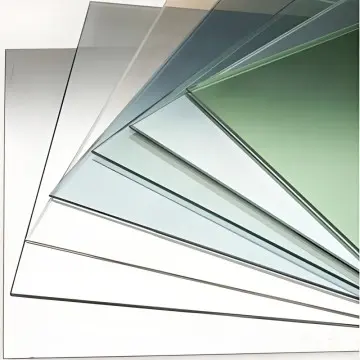
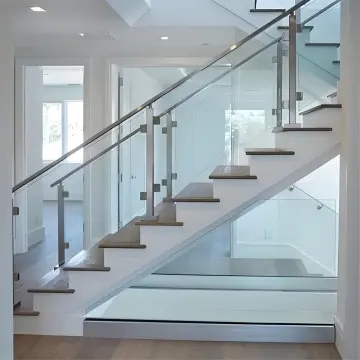
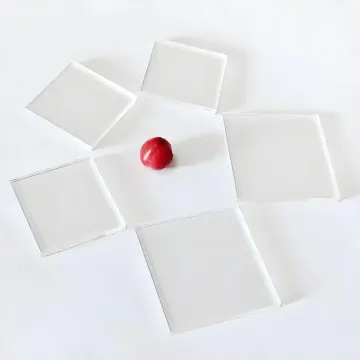
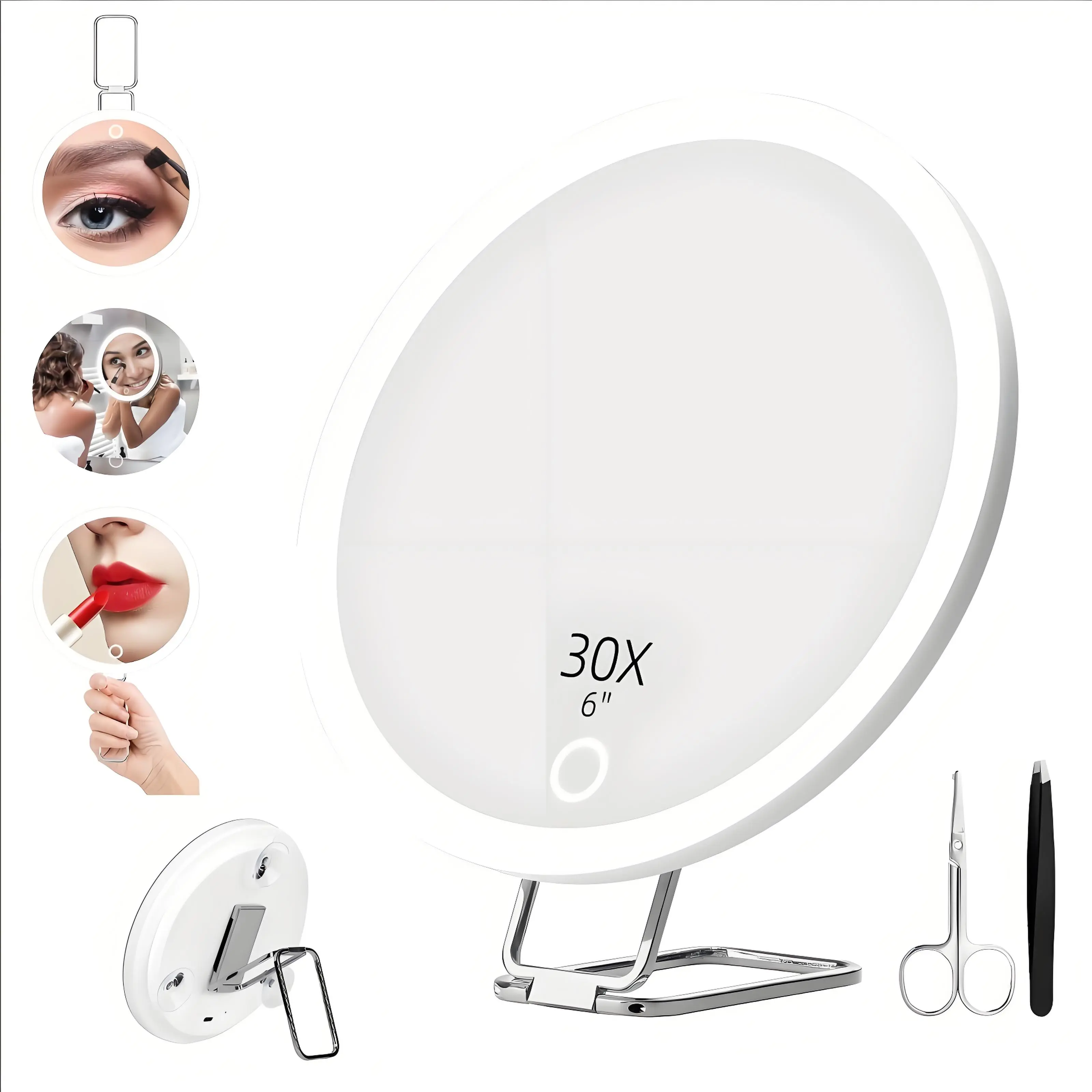
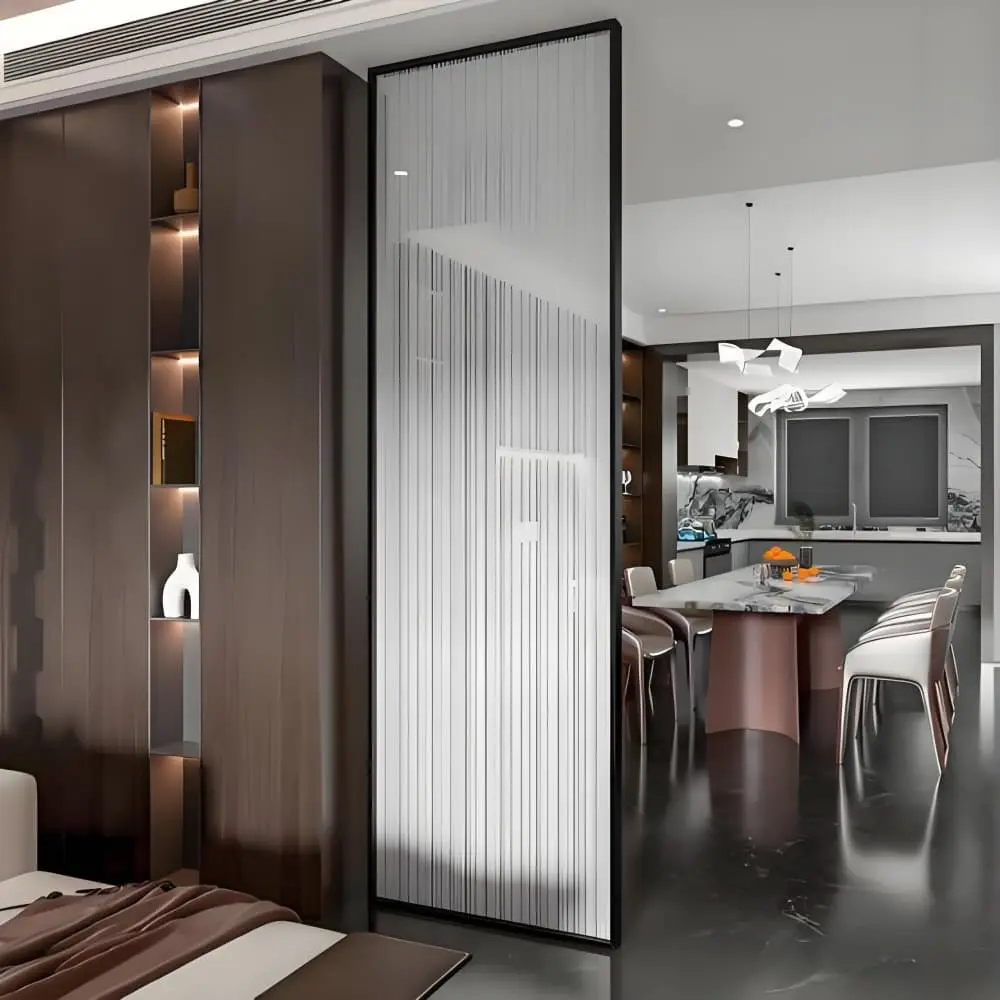
Discover our complete selection of raw and processed glass designed for residential, commercial, and industrial developers globally.
Inquire Custom Specs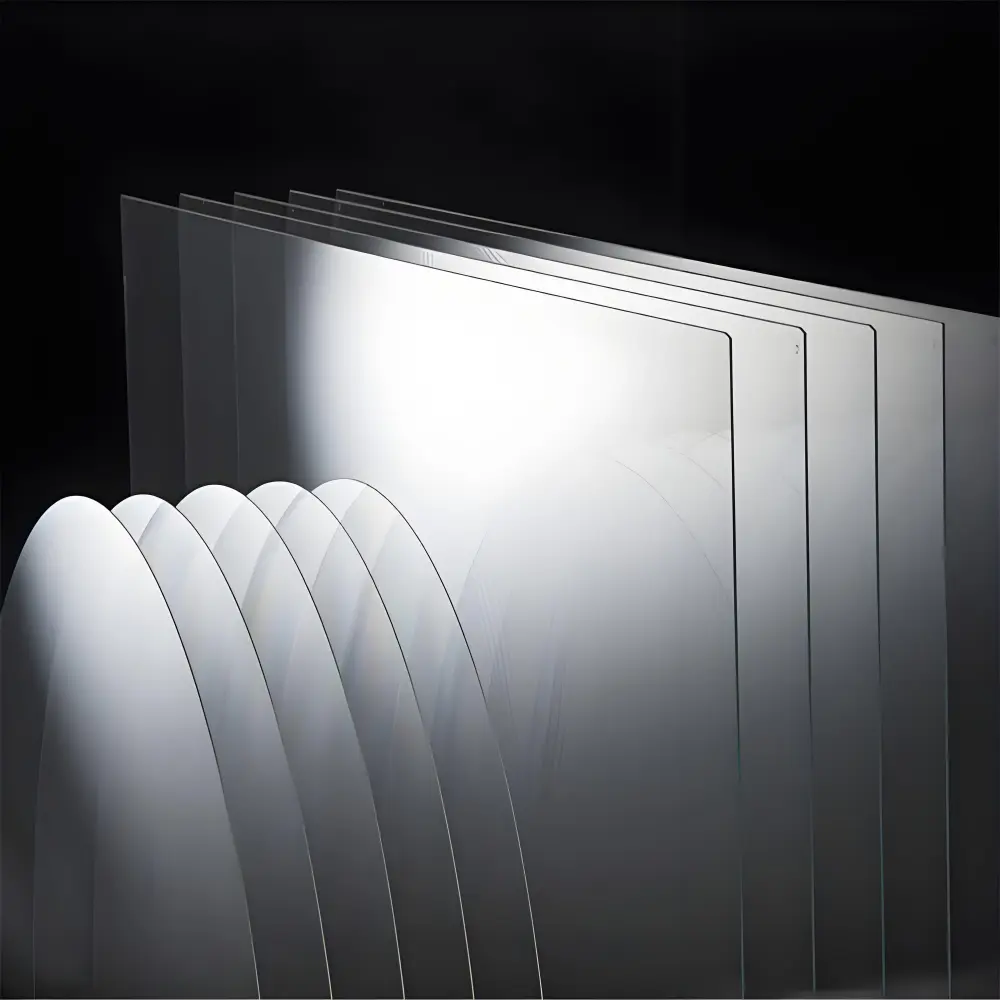

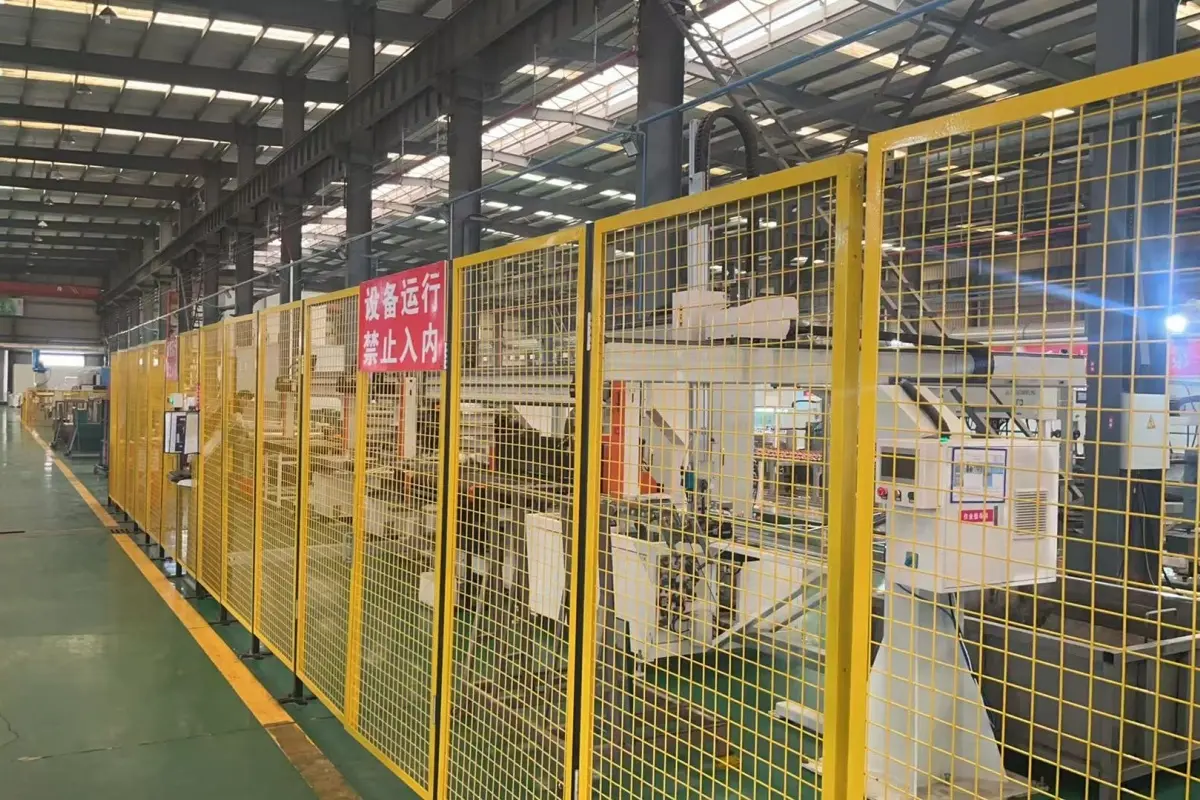
Founded by glass industry visionary Bin He in 2002, Suzhou Jiaerbe Glass Co., Ltd. was built with a clear purpose: to integrate China's advanced glass fabrication facilities and provide high-quality, competitively priced glass solutions to global commercial clients.
With over two decades of industry expertise, we specialize in high-durability float glass and custom processing glass designed to withstand demanding environments. By monitoring structural and chemical standards, we assist regional developers, architects, and industrial procurement managers in obtaining the right materials for their builds.
Our comprehensive export capabilities, strong custom packaging (specifically built to prevent humidity and salt damage), and deep logistics knowledge guarantee that your glass arrives safely, from our factory to Windhoek, Swakopmund, or Walvis Bay port.
Efficient sea freight and overland logistics are key to securing a reliable material pipeline for construction in Southern Africa. We design and package our glass products specifically for long-distance international transit. High humidity during ocean shipping can damage mirror coatings. To address this risk, we use premium moisture-proof interleaf powder and pack our products in heavy-duty, steel-banded wooden crates equipped with internal desiccant bags.
Most shipments bound for Namibia are routed directly through Walvis Bay Port, which serves as a major gateway to the region. From the port, land transport routes allow for efficient deliveries to Windhoek via the B2 highway, or north to the mining centers in Tsumeb and Oshakati. Our logistics documentation complies with all SACU (Southern African Customs Union) protocols, ensuring swift custom clearance and minimizing storage fees at the port.
Connect with our technical engineers to plan and coordinate your glass supply schedule for the Namibia market.
 Jiaerbe Glass