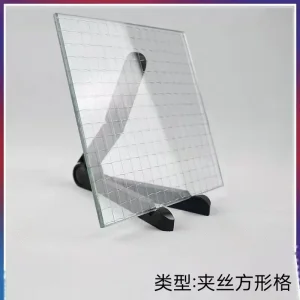
Explore our core engineering catalog designed to handle severe meteorological conditions, including high humidity and salinity in the Takamaka region.
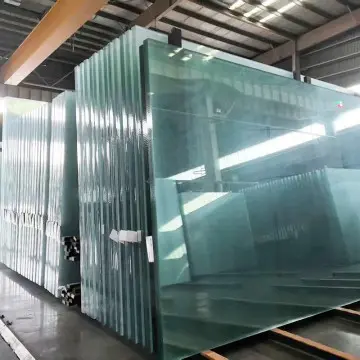
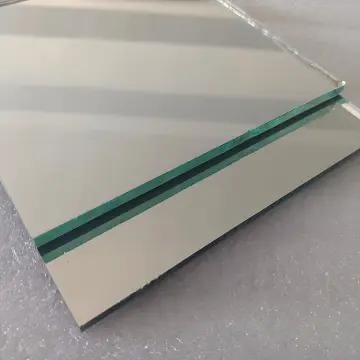
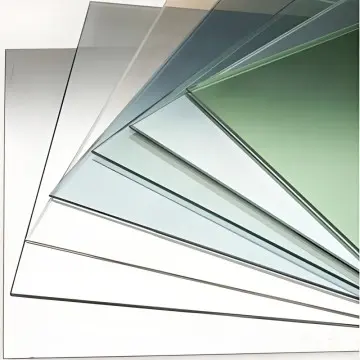
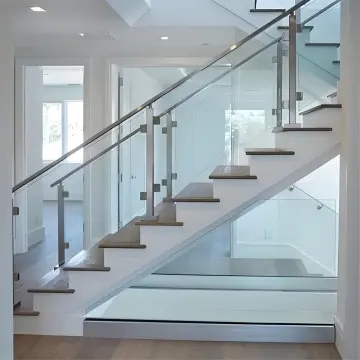
Takamaka, situated on the southern coast of Mahé, Seychelles, has shifted from a quiet agricultural enclave into a premier center for luxury hospitality, high-end residential estates, and marine-related infrastructure. Driven by boutique resort expansions and luxury oceanfront villas, architectural standards in the area have evolved. Modern designs emphasize panoramic views, floor-to-ceiling glazing, and oversized mirrors that blend interior spaces with the coastal landscape.
However, the local climate presents engineering challenges. High relative humidity (often exceeding 80%), continuous maritime salt spray, and intense UV exposure cause standard mirror backings and float glass to degrade prematurely. This degradation manifests as edge oxidation, black spots, and silver peeling within months of installation. For local developers and building contractors in Takamaka, procuring specialized processing glass designed to withstand atmospheric salinity is critical to minimizing long-term replacement costs.
Our solutions target these specific environmental challenges. By utilizing dual-coated copper-free backing systems and high-density lead-free protective layers, our processing glass products maintain clear reflections and structural integrity in hot, humid coastal climates, meeting the requirements of Takamaka’s luxury developments.
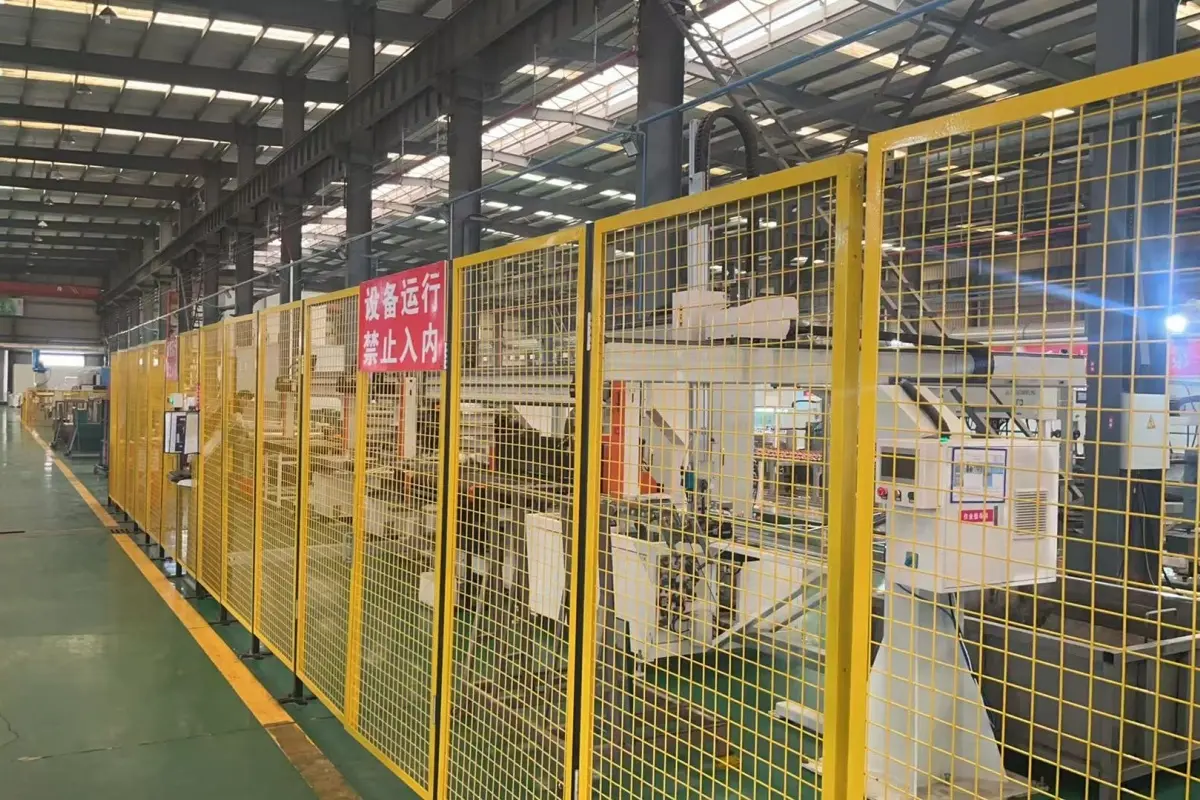
Analyzing how automated production networks, material sourcing, and specialized shipping channels solve key logistics and quality challenges for remote coastal installations.
Utilizing Italian Intermac CNC machinery and automated double-edging lines to ensure precision tolerances within ±0.1mm, reducing edge micro-cracks that cause glass breakage during shipping and installation.
Deploying copper-free silvering lines with chemical vapor deposition (CVD) to prevent oxidation. This ensures our mirrors withstand C5-M (very high marine) environmental classifications.
Using end-cap wooden crates with moisture-absorbent desiccant packets and customized powder interleaving to prevent clouding or surface staining during long sea voyages through tropical shipping lanes.
The global mirror supply chain requires balancing high structural performance with cost efficiency. Western suppliers offer premium products but with longer lead times and higher price points. By contrast, Chinese glass processing hubs, like Suzhou, combine raw material access (float glass substrates) with advanced industrial automation.
Through vertical integration, Suzhou Jiaerbe Glass Co., Ltd. controls the manufacturing workflow, from initial sheet selection to cutting, polishing, silvering, tempering, and laminating. This allows us to supply high-end luxury developments in remote locations, like Takamaka, with custom-engineered glass that meets international safety and durability certifications, at competitive prices.
A technical evaluation showing how different processing standards perform against corrosion and humidity in coastal environments like Takamaka.
| Performance Metrics | Standard Mirror Sheet | Advanced Copper-Free Mirror | Heavy-Coated Temperable Mirror |
|---|---|---|---|
| Resistant Chemistry | Traditional Single Layer Paint (Copper Backing) | Dual-Layer Polyurethane Paint (Copper-Free) | Multi-Metal Magnetron Sputtered Coating |
| CASS Test (Copper-Accelerated Salt Spray) | Fails under 120 hours | Passes 480+ hours | Passes 720+ hours |
| Edging Micro-Fracture Resistance | Moderate (Standard Grinding) | High (Fine Diamond Polished) | Exceptional (Double-Edged CNC Polishing) |
| UV Structural Stability | Yellows over long exposure | Zero discoloration | Zero discoloration |
| Recommended Applications in Takamaka | Dry inland residential closets | Resort luxury vanity spaces, bathrooms | Oceanfront facades, outdoor spa zones |
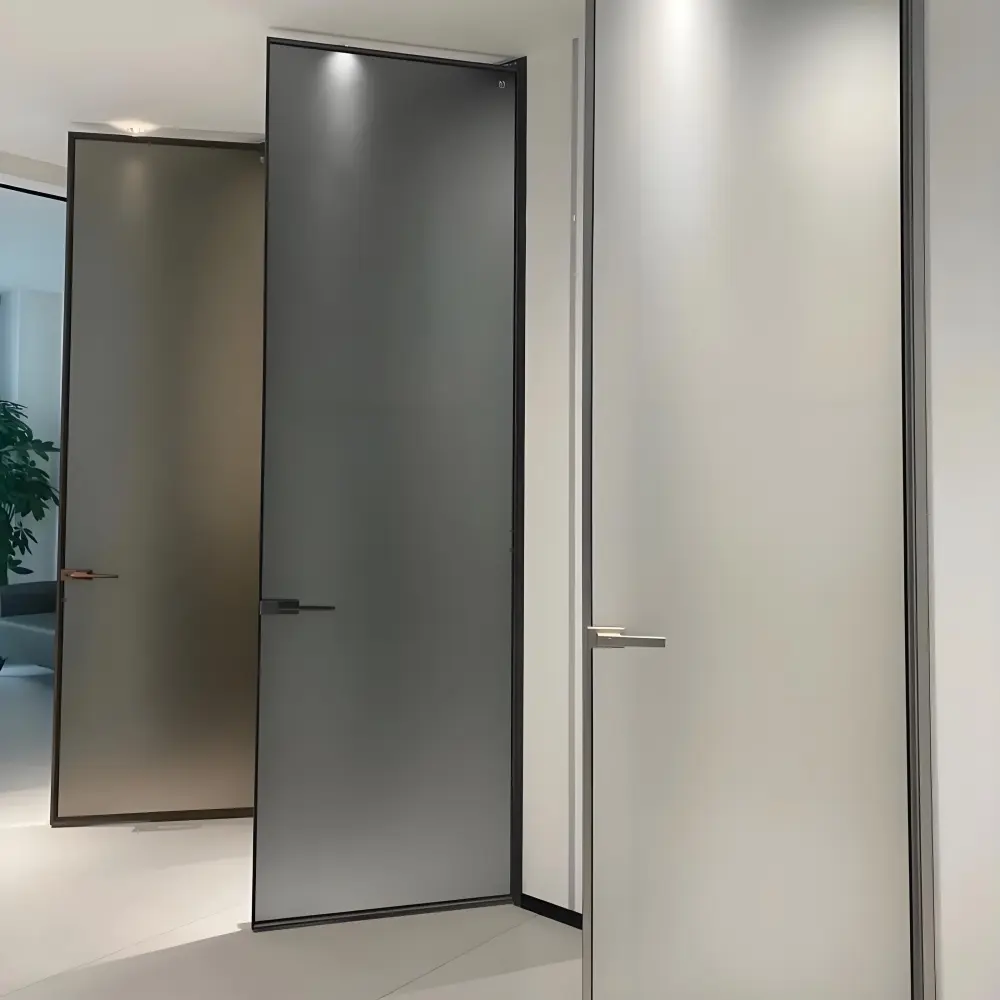
In high-end properties like those near Anse Intendance in Takamaka, high humidity levels can accelerate back-silver corrosion on mirrors. Our copper-free, lead-free silver mirrors prevent edge darkening and spot development, maintaining clarity and appearance for guests.
Our tempered glass sheets with customized anti-reflective (AR) and low-iron coatings are suitable for outdoor exposure. They offer high solar transmittance (91.5%+), reducing glare and heat transfer while providing UV resistance for retail and commercial properties.
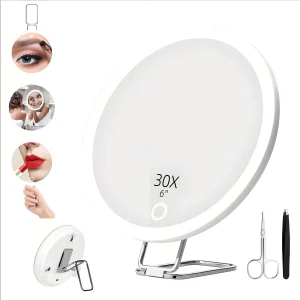
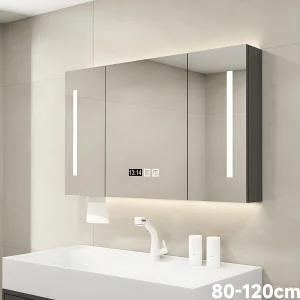
Integrating electronics with mirror surfaces requires clean glass cutting and edge processing to prevent micro-cracks. We supply components for integrated smart cabinets and LED mirrors, with polished edge profiles that minimize moisture-induced silver peeling.
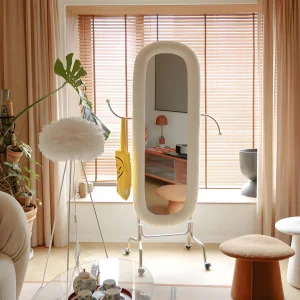
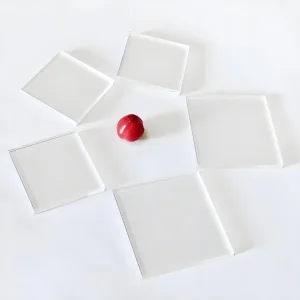
Select from our complete range of certified glass substrates and engineered mirror solutions, suitable for global shipping and coastal installations.
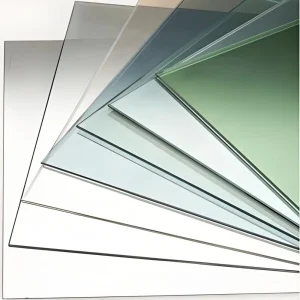
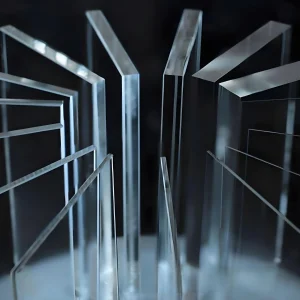
For international buyers and companies serving the Takamaka region, procuring fragile materials like mirrors requires managing risk across production, inspection, and logistics.
First, specify the exact glass chemistry and backing composition. Standard mirrors degrade under coastal salinity, so specifying copper-free silver glass is a key requirement for marine climates.
Second, request third-party testing (e.g., CASS or neutral salt spray test results) to verify the quality of the backing paint. This paint protects the reflective metal film from environmental oxidation.
Finally, confirm that packaging and shipping configurations are optimized for marine transit. The use of custom crates, moisture barriers, and proper container stabilization helps prevent glass breakage and damage during transit to remote destinations like Mahe Island.
Connecting Suzhou's glass manufacturing capacity with commercial and hospitality projects in Takamaka.
Suzhou City, Jiangsu Province, China
[email protected] | +86 13952430581
ESTABLISHED
Technical guidance and logistics answers for companies sourcing processing glass and mirrors for the Takamaka market.
Standard mirrors typically use a thin copper backing layer. In maritime climates like Takamaka, high levels of atmospheric humidity and airborne chlorides (salt spray) penetrate the backing paint, causing electrochemical oxidation of the copper layer. This leads to silver degradation, resulting in dark spots and edge peeling.
Copper-free mirrors use alternative chemical silvering techniques, applying specialized passivators directly onto the silver film, followed by dual layers of protective backing paint. Removing the copper layer eliminates the primary path for oxidation, increasing the mirror's resistance to salt spray and humidity.
We pack glass in heavy-duty, moisture-resistant plywood end-cap crates. We insert high-grade desiccants to manage relative humidity during ocean transit and place specialized interleaving powders between sheets to prevent glass fusing, surface scratching, and clouding caused by temperature variations inside sea containers.
Yes. Tempered glass cannot be cut or modified after the thermal strengthening process. We perform all custom CNC cutting, holes drilling, cutouts, and edge polishing to specifications prior to tempering and coating, ensuring components arrive ready for installation.
 Jiaerbe Glass