As we look ahead to 2026, the design landscape for home decor continues to evolve. Among the standout trends, the leaning mirror has gained significant popularity in global markets. This stylish piece not only enhances the aesthetic of any room, but it also serves a functional purpose.
Leaning mirrors come in various styles, catering to diverse tastes and preferences. From minimalist frames to ornate designs, there is a perfect leaning mirror for everyone. Buyers appreciate how these mirrors create an illusion of space, making them ideal for smaller areas.
Despite their rising fame, the leaning mirror market faces challenges. Buyers should consider the balance between style and functionality. Finding the right piece can be a reflective process. With numerous options, selecting a leaning mirror that complements your decor requires careful thought. Ultimately, the leaning mirror is more than just decorative; it's a statement of personal style.
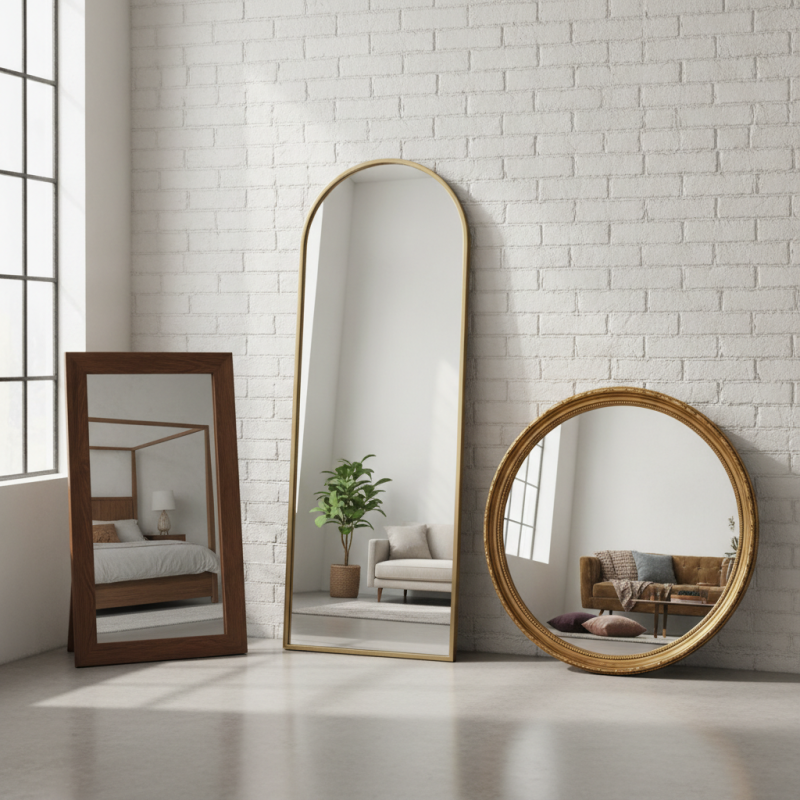
As we step into 2026, the appeal of leaning mirrors continues to gain traction among global buyers. These mirrors are not just functional; they are stylish additions to any space. They can enhance light and create an illusion of depth in rooms. The versatility of leaning mirrors allows them to blend seamlessly with various decor styles, from minimalist to bohemian.
Among the favored styles this year are vintage-inspired designs featuring ornate frames. These mirrors evoke a sense of nostalgia and warmth. On the other hand, modern and geometric frames appeal to minimalist enthusiasts. Their clean lines provide a sleek feel, ideal for contemporary homes. However, buyers should consider the impact of mirror dimensions. Choosing the wrong size can disrupt a room's balance. It’s essential to visualize the arrangement before committing.
Reflecting on the sustainability aspect, eco-friendly materials are becoming more sought after. Conscious consumers are leaning towards mirrors made with recycled and sustainable substances. While they may come at a higher price point, the investment may align better with personal values. It’s essential to weigh the pros and cons of style versus sustainability. This careful consideration can lead to a more satisfying purchase experience.
In 2026, the leaning mirror market is evolving rapidly. Design trends are influenced by minimalism and sustainable materials. A recent report by the Home Decor Association indicates that 65% of consumers prioritize eco-friendly products. Leaning mirrors made from reclaimed wood and non-toxic finishes are gaining popularity. These materials not only appeal to environmentally conscious buyers but also add unique character to home decor.
Color trends are shifting as well. Soft, muted tones are preferred over bold colors. According to a study from the Interior Design Institute, 58% of designers predict that pastel shades will dominate mirror frames in 2026. This shift reflects a broader desire for calming spaces. However, some worry that this trend could stifle creativity. Leaning mirrors must balance popular demand with innovative designs to cater to diverse tastes.
Functionality also plays a crucial role. Many buyers seek mirrors that offer multi-use capabilities. Smart technology integration is becoming a key feature. A report from the Smart Home Market Research Group shows that 40% of consumers would consider smart mirrors in their purchasing decisions. However, this trend poses challenges in terms of cost and accessibility. Not every buyer can afford high-tech options, highlighting a gap between luxury and practicality in the market.
The leaning mirror market is experiencing a transformation driven by material innovations. As global buyers look for unique designs, manufacturers are exploring eco-friendly materials. Sustainable options like bamboo and recycled metals are gaining popularity. These materials not only offer aesthetic appeal but also contribute to environmental consciousness.
Innovations in glass technology have also emerged. Lighter and more durable glass is now possible. These advancements reduce shipping costs and improve energy efficiency during production. Reflective coatings have become more efficient, enhancing clarity without compromising durability. However, challenges remain. Balance between cost and quality can be tricky. Each new material must be tested rigorously for safety and longevity.
Designers are also pushing boundaries with shapes and finishes. Unique forms are appealing to modern aesthetics. Yet, some traditional consumers may find these designs less reliable. It raises questions about functionality versus style. The evolution continues as makers strive to cater to diverse preferences while ensuring product integrity. Each step forward prompts reflection on what truly matters: sustainability, innovation, and user experience.
In 2026, leaning mirrors will reflect diverse cultural aesthetics based on regional preferences. A report by the Global Home Decor Association indicates that demand for leaning mirrors is growing, especially in Asia and Europe. Specifically, minimalist designs are popular in Scandinavian countries, reflecting their clean and functional approach to home decor. Consumers favor neutral tones and natural wood frames that harmonize with their spacious interiors.
In contrast, Southeast Asian markets show a preference for vibrant colors and intricate patterns. These mirrors often feature local craftsmanship, embodying rich traditions. According to market analysts, this regional divergence highlights the importance of cultural contexts in design trends. It raises questions about creating products that resonate globally while embracing local identities. Balancing these preferences presents a significant challenge for designers aiming for universal appeal.
Moreover, a survey by the International Design Institute found that 75% of consumers consider cultural elements when purchasing home decor. This statistic emphasizes the necessity for brands to understand local tastes and aesthetics. Ignoring these nuances could lead to missed opportunities in capturing diverse markets. As trends evolve, the challenge remains: how can brands create products that fit within multiple cultural frameworks? This question is crucial for successful market penetration in the coming years.
| Style | Region | Material | Color | Popularity (%) |
|---|---|---|---|---|
| Classic Round | North America | Wood | Natural Brown | 25 |
| Modern Rectangle | Europe | Metal | Black | 30 |
| Art Deco | Asia | Glass | Gold | 20 |
| Bohemian | South America | Rattan | Multi-color | 15 |
| Industrial Chic | Australia | Steel | Grey | 10 |
Leaning mirrors are more than simple decor. They serve various functions that enhance modern interiors. With their large reflective surfaces, they create a sense of spaciousness. This is particularly beneficial in smaller spaces where light can be amplified.
These mirrors can also be functional. A leaning mirror can act as a dressing tool in a bedroom. Homeowners appreciate how they can check their outfits conveniently. Additionally, they can be a statement piece in a living room or hallway, showcasing personal style. The versatility of these mirrors allows them to fit into numerous design aesthetics.
However, not every leaning mirror will suit every space. Some might find them too imposing or difficult to style effectively. Choosing the right size and design is key. It requires thoughtful consideration of the environment. Reflect on the overall ambiance you want to create. Embrace the uniqueness of each mirror, as some might not blend perfectly. Finding the right balance between design and usability is essential for ultimate satisfaction.
This chart illustrates the projected popularity of various leaning mirror styles among global buyers for 2026. Each category reflects the growing trends in modern interior design, highlighting the functional versatility of leaning mirrors.
: Leaning mirrors enhance light and create depth in rooms. They add style and functionality to any space.
Vintage-inspired designs and modern geometric frames are favored. They suit various decor styles, from minimalism to bohemian.
The wrong size can disrupt a room's balance. Visualizing the arrangement helps ensure a harmonious fit in your space.
Eco-friendly materials, such as reclaimed wood, are gaining traction. Consumers value sustainability and unique character in home decor.
Soft, muted tones are becoming more popular. Pastel shades are expected to dominate frames in 2026, aiming for calming spaces.
Many want mirrors that offer multi-use capabilities. Smart technology integration is becoming increasingly sought after among consumers.
Preferences vary greatly, with Scandinavian countries favoring minimalism, while Southeast Asia leans towards vibrant colors and intricate patterns.
About 75% of consumers consider cultural elements in their buying decisions. Understanding local tastes is essential for success.
Balancing global appeal with local aesthetics is difficult. Ignoring cultural nuances could lead to missed market opportunities.
Many high-tech options have a higher price point. This creates a gap between luxury designs and practical affordability for buyers.
In 2026, leaning mirrors are set to capture the attention of global buyers with diverse styles that reflect current design trends and cultural aesthetics. The evolution of leaning mirror designs is heavily influenced by contemporary living spaces, where functionality meets elegance. Homeowners are increasingly seeking mirrors that not only enhance the visual appeal of their interiors but also serve versatile purposes, such as space enhancement and light reflection.
Material innovations play a crucial role in the production of leaning mirrors, allowing for a range of finishes and textures that cater to different tastes. As regional preferences come into play, buyers are likely to gravitate towards designs that resonate with their cultural backgrounds, ensuring that leaning mirrors are not just decorative but also personally meaningful. The integration of style, functionality, and cultural significance will define the leaning mirror market in 2026, making it an essential element in modern interiors.

Jiaerbe Glass