Selecting a reliable China 9mm Glass Sheet manufacturer requires more than comparing prices. It demands clear specifications, consistent production, and practical communication.
A 9mm Glass Sheet can support many architectural and industrial applications. Typical uses include partitions, doors, façades, tabletops, shower enclosures, and protective panels. Its performance depends on glass composition, edge finishing, flatness, and processing accuracy. Tempered glass offers improved strength and heat resistance. Laminated glass can provide safer breakage control. However, neither option suits every project.
Details matter.
A dependable supplier should explain these differences without hiding technical limitations. Buyers should request samples, thickness tolerances, surface inspection records, and processing drawings. Factory photographs can help, but documented quality checks provide stronger evidence. Useful records may include dimensional reports, heat-soak testing information, and relevant product certifications. Packaging also deserves attention. Crated sheets need protective separators, dry storage conditions, and careful loading procedures. One damaged corner can affect an entire installation schedule.
China has an extensive glass manufacturing network, but supplier quality varies. Some companies communicate quickly yet provide limited technical support. Others offer advanced equipment but respond slowly during revisions. This is an important weakness in many purchasing decisions. A professional supplier should confirm production capacity, lead times, export experience, and after-sales responsibility in writing. The right partner is not simply the cheapest source. It is the manufacturer that can deliver stable 9mm Glass Sheet quality, explain risks honestly, and support the project from sample approval through final shipment.
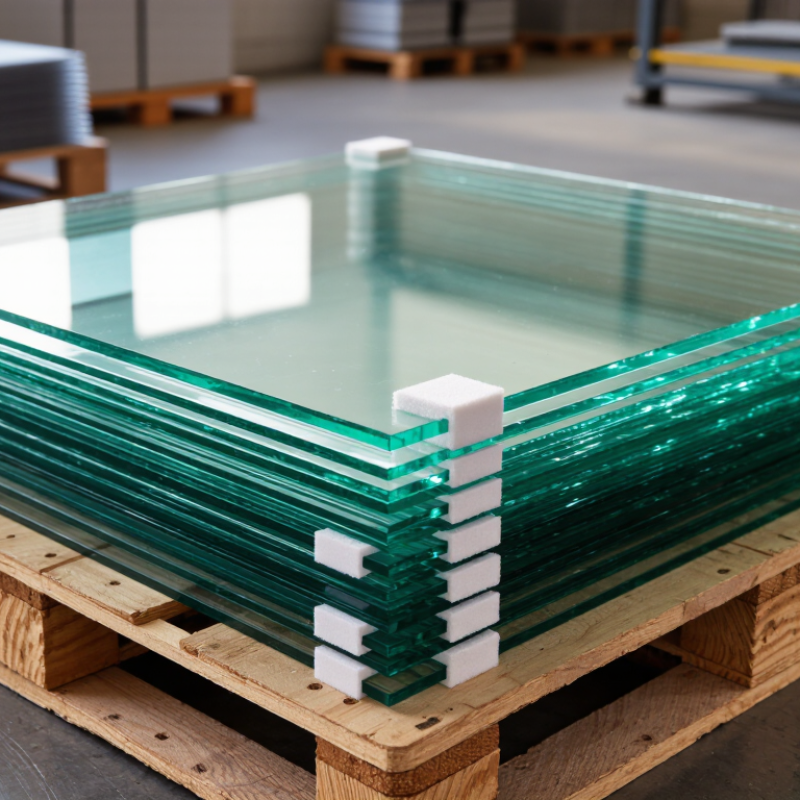
A 9mm glass sheet has a nominal thickness of nine millimeters. It is commonly selected for partitions, doors, façades, furniture, and protective interior panels. Compared with thinner glass, it offers improved rigidity and a more substantial appearance. However, thickness alone does not determine performance. Glass type, edge treatment, size, and installation method also matter.
Clear, tinted, low-iron, laminated, and tempered versions are available for different applications. Tempered 9mm glass provides stronger resistance to thermal stress and impact than annealed glass. Laminated construction can help retain fragments after breakage.
Typical production checks include thickness measurement, flatness inspection, visual quality assessment, and heat-treatment testing.
Careful suppliers also verify dimensions, hole positions, edge polishing, and corner conditions before packing.
Standard specifications may include a 9mm nominal thickness, customized length and width, polished or arrissed edges, and tolerance limits stated on the quotation. Actual tolerances can differ by processing method and regional standard. Always confirm them before production.
A practical detail is packaging: vertical separation pads and reinforced crates reduce scratching during transport. Small flaws matter. A tiny edge chip may become a serious weakness after installation, so on-site handling deserves the same attention as factory inspection.
Some projects specify 9mm glass too quickly, without checking wind load, frame support, or temperature differences. That oversight needs correction.
Manufacturing 9mm glass sheets in China begins with carefully selected silica sand, soda ash, limestone, and recycled cullet. Technicians test each batch for moisture, iron content, and particle size. Small changes can affect clarity and surface quality. The materials are mixed before entering a furnace operating near 1,550°C. The molten glass then flows across a bath of liquid tin. This float process creates a flat, continuous ribbon with controlled thickness.
The ribbon passes through an annealing lehr, where cooling occurs gradually. Uneven cooling may create internal stress. That problem is easy to miss. Laser gauges measure thickness along the production line. Operators also check edge damage, bubbles, stones, and roller marks. After inspection, automatic equipment cuts the glass into requested dimensions. Some orders require polishing, tempering, or lamination. Each additional process needs separate testing.
A reliable supplier should provide thickness records, inspection reports, and traceable batch information. Packaging also matters. Paper interlayers, corner protection, and strong crates help reduce transport damage. In practical quality checks, the center of a sheet may look perfect while an edge shows minor distortion. This suggests a weakness in inspection coverage, not necessarily in the entire batch. Suppliers should review sampling plans and equipment calibration regularly. Production efficiency is valuable, but consistent inspection remains more important for construction and industrial applications.
9mm glass sheets offer a practical balance between daylight, strength, and visual weight. Clear float glass is widely used for interior partitions, shower screens, cabinet doors, and office dividers. Its neutral appearance suits spaces where natural light matters. However, standard glass is not automatically safety glass.
Tempered 9mm glass is heat-treated for improved impact and thermal resistance. When it breaks, it usually forms small, blunt fragments. It fits entrance doors, balustrades, table tops, and retail displays, when the design is properly supported. Laminated 9mm glass combines glass layers with an interlayer. It helps retain fragments after breakage and can reduce sound transmission. This type works well for skylights, façades, overhead glazing, and areas needing extra retention.
Low-iron 9mm glass provides clearer edges and better color accuracy. It is useful for display cases, architectural interiors, and high-visibility partitions. Coated or insulated assemblies can improve solar control and energy performance, but their final thickness may exceed 9mm. In practical supply work, thickness alone is never enough. Fabricators must check dimensions, edge finishing, holes, notches, and heat-treatment requirements before processing. Small errors matter. I have seen an attractive panel fail because its support details were considered too late. Load calculations, installation conditions, and applicable safety standards should guide the final selection.
| Glass Type | Typical Composition or Processing | Typical 9mm Sheet Characteristics | Common Size Availability | Main Applications | Key Standards or Performance Considerations |
|---|---|---|---|---|---|
| 9mm Clear Float Glass | Flat soda-lime-silica glass manufactured by the float process; transparent with a neutral appearance. | Nominal thickness: 9mm; high visible light transmission; can be cut, polished, drilled, tempered, laminated, or coated after processing. | Commonly supplied in stock and cut-to-size formats, including large architectural sheets. Actual maximum size depends on the processing line and transport requirements. | Windows, shopfronts, partitions, furniture panels, display cases, and general architectural glazing. | Thickness tolerance, optical quality, dimensional tolerance, and surface defects should be checked against the applicable flat-glass specification. |
| 9mm Ultra-Clear Glass | Low-iron float glass with reduced iron content to minimize the green tint visible in ordinary clear glass. | Higher visual neutrality and light transmission than standard clear float glass; suitable where color clarity is important. | Available as cut-to-size sheets or large plates, subject to furnace and processing limitations. | Showcases, luxury interiors, museum displays, glass shelves, stair panels, and high-clarity architectural features. | Edge color, light transmission, flatness, and optical distortion are important quality criteria. |
| 9mm Tempered Glass | Heat-treated safety glass made by heating annealed glass and rapidly cooling it. | Greater resistance to thermal stress and impact than annealed glass of the same thickness; breaks into relatively small granular fragments rather than large sharp shards. | Usually supplied cut, drilled, and edge-finished before tempering because it cannot normally be cut or drilled afterward. | Shower enclosures, doors, internal partitions, balustrade infill, table tops, and commercial interiors. | Heat-soak testing may be specified for certain architectural uses. Safety-glazing requirements should be verified for the installation location. |
| 9mm Heat-Strengthened Glass | Heat-treated glass cooled more slowly than fully tempered glass. | Higher thermal and mechanical strength than annealed glass, with lower breakage fragmentation stress than fully tempered glass; not generally classified as safety glass solely because it is heat-strengthened. | Cut-to-size, drilled, and edge-processed before heat treatment. | Exterior glazing, curtain walls, spandrel glazing, and applications requiring improved thermal resistance with controlled breakage behavior. | Designers should distinguish heat-strengthened glass from fully tempered glass when safety-glazing compliance is required. |
| 9mm Laminated Glass | Two or more glass layers bonded with an interlayer, such as PVB, EVA, or ionoplast; the final build-up may be approximately 9mm depending on the glass and interlayer combination. | Retains fragments on the interlayer after breakage; can provide improved acoustic, ultraviolet, security, or fall-protection performance depending on the construction. | Manufactured as laminated panels in project-specific sizes; exact thickness and make-up must be confirmed in the order. | Overhead glazing, skylights, balustrades, façades, canopies, acoustic partitions, and security-related glazing. | Interlayer type, edge protection, exposure to moisture, wind load, impact load, and local safety-glazing rules must be considered. |
| 9mm Double-Glazed Unit Component | A 9mm glass pane used as one layer in an insulated glass unit; the complete unit also includes a sealed cavity, spacer, and a second pane. | Provides part of the unit's daylight, solar-control, and thermal performance. The complete unit performance cannot be determined from the 9mm pane alone. | Produced to the dimensions and configuration required for the insulated glazing unit. | Energy-efficient windows, curtain walls, façades, residential glazing, and commercial building envelopes. | Whole-unit U-value, solar heat gain, visible transmittance, cavity width, gas filling, spacer type, and seal durability should be evaluated together. |
| 9mm Low-E Coated Glass | Float glass with a microscopically thin low-emissivity coating, usually applied by online pyrolytic coating or offline vacuum sputtering. | Can reduce infrared heat transfer and improve solar or thermal performance; coating position and processing compatibility vary by product. | Available in monolithic sheets or as a component of insulated glass units, depending on coating type. | Windows, curtain walls, skylights, façades, and buildings designed for improved energy efficiency. | Coating durability, visible appearance, emissivity, solar-control values, orientation, and compatibility with tempering or insulating-glass fabrication should be confirmed. |
| 9mm Patterned or Textured Glass | Rolled or textured glass with a patterned surface that diffuses light and reduces clear visibility. | Translucent appearance with varying levels of privacy and light diffusion; one or both surfaces may contain a pattern. | Normally supplied in standard sheet sizes or cut-to-size panels, depending on the pattern and production method. | Privacy windows, doors, bathroom glazing, interior partitions, decorative panels, and light-diffusing screens. | Pattern direction, surface uniformity, light diffusion, cleaning requirements, and whether the glass can be tempered or laminated should be checked. |
| 9mm Tinted Glass | Body-tinted soda-lime glass containing controlled colorants, commonly in grey, bronze, green, or blue tones. | Reduces visible light and solar transmission compared with clear glass; color and solar performance depend on the tint and glass make-up. | Available in standard architectural sheet sizes and project-specific cut sizes. | Façades, windows, solar-control glazing, interior partitions, furniture, and decorative applications. | Color consistency, solar heat gain, visible transmittance, thermal-stress risk, and matching between production batches are important considerations. |
| 9mm Ceramic-Frit Glass | Glass printed with a ceramic frit pattern and heat-treated so the frit becomes permanently fused to the surface. | Provides visual screening, solar shading, decoration, and bird-strike mitigation patterns; the ceramic surface is durable after firing. | Manufactured to project dimensions before heat treatment; printed pattern, coverage, and orientation must be specified. | Façade panels, spandrel areas, partitions, balustrades, canopies, and decorative architectural glazing. | Color, reflectance, pattern density, thermal performance, visual uniformity, and frit-side orientation should be approved before production. |
Choosing a 9mm glass sheet supplier in China requires more than comparing prices. In project purchasing, I check thickness tolerance, flatness, edge quality, and surface cleanliness. A reliable supplier should provide clear inspection records for every production batch. The figures must match the delivered sheets.
Ask for evidence of tested performance. Tempered glass should have documented heat-treatment results, fragmentation tests, and dimensional checks. Laminated products need verified interlayer adhesion and optical clarity. Recognized standards, such as ISO, ASTM, or EN requirements, can support evaluation, but certificates alone are not enough. The issuing laboratory, test date, and product specification deserve careful review.
Factory experience matters. Request sample pieces from the same production line, not only showroom samples. Inspect the 9mm glass under angled light. Tiny scratches, roller marks, or uneven edges may appear later during installation. I once trusted a polished sample and overlooked weak packaging details. Several corners arrived chipped. That mistake changed my supplier checklist. Packaging should include corner protection, moisture control, readable labels, and loading photos. Traceable batch numbers also make claims easier to verify. A capable technical team should answer questions about cutting limits, tempering behavior, lead times, and replacement procedures without vague promises. Some suppliers communicate well before payment, then respond slowly after production starts. That risk should be tested early.
How to Evaluate China’s Top 9mm Glass Sheet Manufacturers
Evaluating a 9mm glass sheet manufacturer requires more than comparing export prices. Check the factory’s production history, furnace capacity, and experience with your glass type. Ask for evidence. A reliable supplier should provide clear technical data, including thickness tolerance, flatness, light transmission, and edge quality. Confirm whether the sheets are annealed, tempered, laminated, or coated for your project.
Request recent inspection reports and sample pieces from the same production line. Measure thickness at several points with a calibrated gauge. Check the corners, surface clarity, and small distortions under angled light. Records matter. Ask how the factory controls raw materials, cutting accuracy, heat treatment, packing, and final inspection. Independent testing can verify strength, thermal performance, and compliance with the standards required in your market.
A factory audit can reveal details that brochures hide. Observe storage conditions, moisture protection, lifting equipment, and crate construction. Ask how damaged sheets are identified and replaced. Communication also matters; unclear drawings often create costly mistakes. One evaluation weakness is trusting a perfect sample too quickly. Production consistency matters more. Review several batches, not one attractive panel. Verify lead times against furnace schedules and shipping plans. A capable manufacturer should explain limitations openly, even when the answer is inconvenient. That honesty is often more valuable than a low quotation.
Recommended procurement weighting for comparing manufacturers of 9mm clear float glass. The scores represent evaluation priorities, not company or brand performance data.
Quality consistency and compliance should receive the highest priority, followed by thickness accuracy, optical performance, production capacity, export capability, packaging, and technical support. Buyers should verify each point through certificates, inspection reports, samples, and shipment records.
It has a nominal thickness of nine millimeters. It offers better rigidity than thinner glass.
Common uses include partitions, doors, façades, furniture, and interior protective panels. Frame support still matters.
No. Glass type, dimensions, edge treatment, and installation method also affect performance.
Options include clear, tinted, low-iron, laminated, and tempered glass. Each suits different project needs.
Tempered glass resists thermal stress and impact better than annealed glass. It still requires careful handling.
Laminated construction helps hold fragments together after breakage. Its interlayer adhesion should be tested.
Raw materials melt near 1,550°C. Molten glass flows over liquid tin, then cools gradually in an annealing lehr.
Checks may include thickness, flatness, visual defects, dimensions, holes, edges, corners, and heat treatment.
Request inspection reports, thickness records, batch numbers, and relevant performance tests. Certificates alone are insufficient.
Inspect samples under angled light. Scratches, roller marks, edge distortion, and tiny chips may become visible.
Paper interlayers, corner protection, moisture control, and reinforced crates reduce scratches and breakage. Loading photos help too.
Confirm wind load, frame support, temperature differences, dimensions, tolerances, and processing limits. This step is often rushed.
This guide explains what a 9mm Glass Sheet is, including its structure, key features, common thickness tolerances, surface options, and standard specifications. It also describes how these sheets are manufactured in China, from raw material selection and melting to forming, tempering, cutting, edge processing, and final inspection. Readers will learn about the main types, such as clear, tinted, laminated, tempered, and insulated glass, along with their applications in construction, interiors, furniture, façades, doors, windows, and industrial projects.
The article also outlines the quality standards buyers should consider when selecting a Chinese glass supplier, including dimensional accuracy, optical clarity, safety performance, durability, packaging, and consistency between batches. Finally, it provides practical methods for evaluating China’s top 9mm Glass Sheet manufacturers by reviewing production capacity, technical expertise, quality-control systems, customization services, certifications, communication, lead times, and after-sales support.

Jiaerbe Glass