The "Glass Box Wall" is gaining significant traction in modern architecture. This trend redefines transparency in building design. It allows natural light to flood in, creating open and airy spaces. According to a recent industry report by the Architectural Glass Association, the demand for glass walls has increased by 35% in the past three years. This growth reflects a shift towards collaboration and openness in work environments.
John Reynolds, an industry specialist, notes, “The Glass Box Wall revolutionizes how we perceive and utilize space.” His insights highlight the appeal of this design element. It not only enhances aesthetics but also improves workplace morale. However, challenges remain in balancing visibility with privacy.
Security concerns are also a factor. Some may argue that complete transparency can lead to vulnerabilities. It's essential to consider both the benefits and potential downsides when adopting this trend. The Glass Box Wall is a powerful tool, yet it requires thoughtful integration into different environments. As the popularity of this feature grows, ongoing discussions about its implications will shape its future.
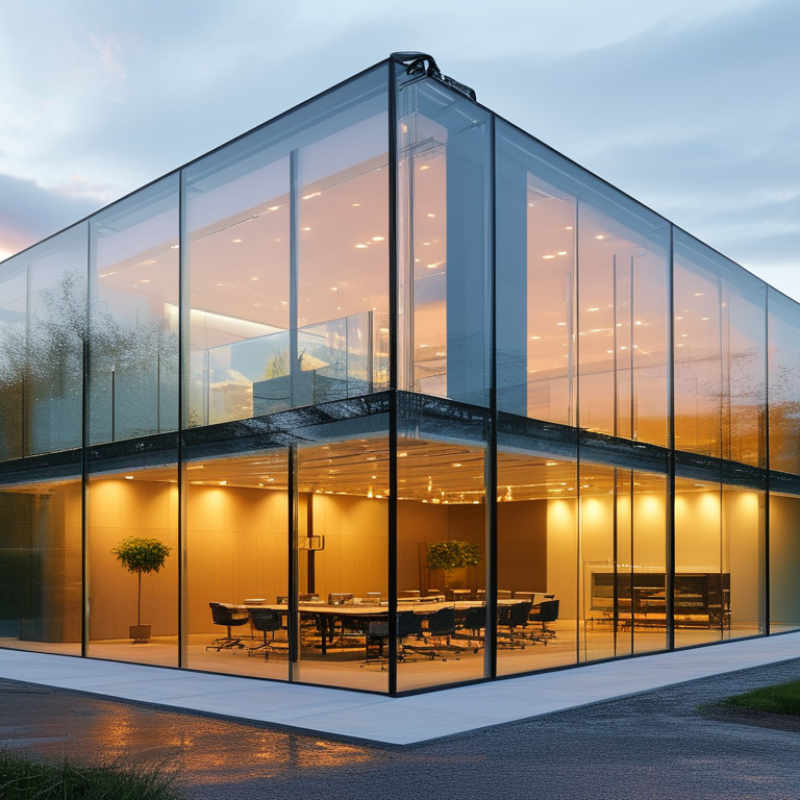
A glass box wall is an innovative architectural feature that has gained popularity in modern design. These walls are made primarily of glass, allowing for transparency and natural light. They often serve as dividers in open spaces, creating a sense of separation without sacrificing visibility. This design encourages openness and enhances the overall aesthetic appeal of a room.
One defining characteristic of glass box walls is their versatility. They can be used in both residential and commercial buildings. Office spaces benefit from increased collaboration and communication, while homes can feel larger and more connected to the outside world. However, the choice to use glass box walls requires careful consideration. Privacy can be compromised, and noise may travel easily through glass.
The trending nature of glass box walls reflects a shift towards minimalism and incorporation of natural elements in design. While they offer stunning visuals, they can also expose potential issues. Maintenance is essential, as smudges and fingerprints can detract from their beauty. Ultimately, a thoughtful approach to using glass box walls will maximize their benefits while addressing their challenges.
The glass box wall is an architectural innovation that has evolved significantly over time. Initially used as a functional element, it has transformed into a symbol of transparency and connection to the environment. In the early 20th century, glass was often limited to windows or decorative accents. Architects sought to let in natural light, but structural limitations restricted the use of glass in large panels.
As technology advanced, so did the potential of glass box walls. The introduction of structural glazing allowed for larger sheets of glass. Buildings began to embrace glass as a primary material. This shift encouraged an open dialogue between indoor and outdoor spaces. Natural light floods interiors, creating a sense of unity with the surroundings. Some critics argue that excessive glass can lead to issues such as energy inefficiency and lack of privacy. These concerns prompt further exploration of materials and techniques.
Today, glass box walls are trendy for their aesthetic appeal and eco-friendly attributes. They resonate with modern sustainability goals. As architects experiment with form and function, the historical context of glass box walls reminds us that design is an evolving discourse. Balancing beauty, practicality, and nature remains a challenge. The ongoing conversation shapes how we envision future spaces.
| Era | Characteristics | Examples | Trend Reasons |
|---|---|---|---|
| 1920s - 1930s | Introduction of steel frame structures, large glass panels used for natural light. | Villa Savoye, Glass House | Emergence of modernist architecture, emphasis on functionality. |
| 1960s - 1970s | Larger glass facades, experimental designs incorporating glass. | Seagram Building, AT&T Building | Desire for transparency, integration with environment. |
| 2000s | Advanced glazing technologies, energy-efficient glass. | The Shard, One World Trade Center | Focus on sustainability, high aesthetic value. |
| 2020s | Smart glass technologies, adaptive lighting and insulation. | Apple Park, Bosco Verticale | Integration of technology and environment, urban living. |
Glass box walls are becoming increasingly popular in modern design. They offer a unique aesthetic that blends transparency with functionality. One of the main benefits of glass box walls is that they allow natural light to flood into spaces. This can enhance mood and improve productivity in locations like offices and homes. Using glass as a structural element makes spaces feel larger and more open.
Another key advantage is the connection to the outside environment. Views of nature or cityscapes can elevate the overall design. However, glass walls come with their challenges. They require careful consideration regarding privacy and heat management. Sometimes, they can also lead to increased glare, creating discomfort in certain settings.
Moreover, while glass can be an elegant choice, it may not always suit every space. Some designs may struggle with maintaining a cohesive look or dealing with security concerns. Reflecting on these aspects can help designers approach glass box walls more thoughtfully. The trend of glass box walls encourages innovation, but it also requires a mindful balance of aesthetics and functionality.
The popularity of glass box walls is on the rise. These structures blend aesthetics and functionality. They create an illusion of openness while ensuring privacy. Designers appreciate how they let natural light filter through spaces. This trend is evident in commercial and residential projects alike.
Installing glass box walls can be tricky. It's vital to balance transparency with soundproofing. Considerations may include thermal performance and framing materials. Professionals suggest using high-quality glass for durability and safety. Pairing glass with contrasting elements can enhance visual appeal.
When incorporating glass box walls, keep these tips in mind. First, assess the space you want to modify. Measure twice to ensure perfect fitment. Second, think about the purpose of each area. A stunning view may distract from work. Lastly, remember to maintain your glass installations. Regular cleaning will keep them looking brand new.
Glass box walls are gaining popularity in modern architecture. They promote transparency and functionality, creating open spaces that enhance collaboration. Case studies worldwide showcase successful implementations that embody these principles.
In London, a tech firm's headquarters features expansive glass box walls. The design fosters communication among teams, leading to a 20% increase in productivity. A report from the Global Institute of Architecture highlights that spaces with natural light boost employee satisfaction and creativity. However, not every implementation is flawless. Some buildings face privacy concerns, impacting employee comfort.
In Tokyo, a cultural center employs glass walls to connect indoor and outdoor environments. This integration received praise for enhancing visitor engagement while also exposing challenges related to climate control. Research indicates comfort can drop significantly without proper insulation. These examples illustrate both the advantages and potential drawbacks of glass box walls in diverse settings.
: Glass box walls provide natural light, enhance mood, and improve productivity in various spaces.
They create an illusion of openness, making areas feel larger and more inviting.
They can lead to increased glare and privacy concerns, which need thoughtful design solutions.
Regular cleaning retains their appearance and ensures they function effectively over time.
While they promote natural light, privacy concerns can lead to discomfort among employees.
Assess the space, measure properly for fitment, and consider the area's purpose and distractions.
They offer views of nature or cityscapes, improving overall design and visitor engagement.
Not necessarily. Some designs struggle with cohesion and security concerns when using glass.
Contrasting materials can enhance the visual appeal and functionality of glass box walls.
Natural light boosts employee satisfaction and creativity, but insulation is crucial for comfort.
The "Glass Box Wall" is an architectural feature that emphasizes transparency and openness, providing a seamless integration between indoor and outdoor environments. Characterized by its use of large glass panels, this design element has evolved over the years, gaining popularity in modern architecture for its aesthetic appeal and functionality. Glass Box Walls not only enhance natural lighting but also contribute to energy efficiency and social connectivity in spaces.
The trend towards Glass Box Walls has seen significant growth in recent years, driven by urbanization and the demand for innovative design solutions. Industry insights reveal that these structures are increasingly favored in both commercial and residential projects due to their ability to create inviting atmospheres. Successful implementations worldwide demonstrate the versatility of Glass Box Walls, showcasing their role in transforming spaces while promoting a sense of community and interaction in modern architectural practice.

Jiaerbe Glass