China has a broad supplier base for architectural and processed glass, but choosing a partner takes more than comparing price lists. This guide to China’s top 4mm float glass manufacturers and suppliers explains what buyers should examine before requesting a quotation. 4mm Float Glass is commonly considered for applications where a relatively thin, flat pane is suitable, though the right specification depends on the project.
Details matter. Ask suppliers to state glass dimensions, thickness tolerances, surface quality, packing method, and available processing options. A sample can reveal visible defects or edge issues that a catalog photo cannot. Check how the supplier handles export packaging, breakage claims, and communication during production. Request current documentation for any quality systems or product standards relevant to your destination market, and verify it independently where necessary. Do not assume every supplier offers the same level of inspection.
This comparison can help narrow the field. It cannot replace a factory assessment or project-specific testing. A low unit price may look attractive, yet freight, packing, and consistency can change the real cost. That is easy to overlook. Supplier rankings also have limits: production capacity and service may vary by order size and timing. Treat the listed companies as candidates, not automatic endorsements, and confirm key details directly before committing.
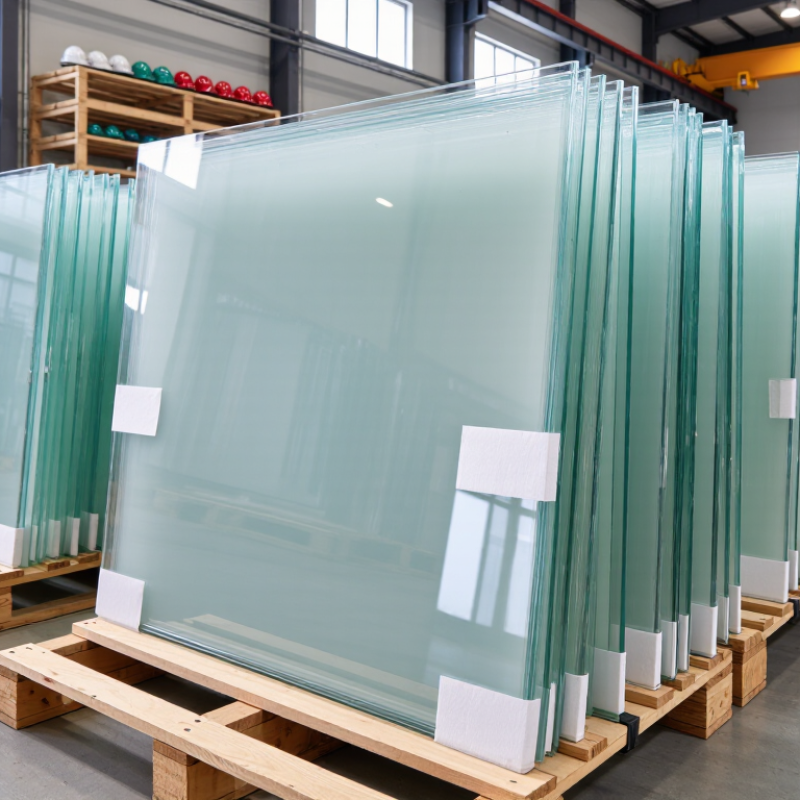
Four-millimetre float glass is a flat sheet of soda-lime glass, nominally 4 mm thick. At a typical density of about 2,500 kg/m³, that thickness works out to roughly 10 kg per square metre. The European Commission Joint Research Centre’s 2013 glass-manufacturing reference document describes melting as a high-temperature stage, with temperatures broadly around 1,300–1,600°C. Small changes in batch composition and furnace conditions matter.
The ingredients—mainly silica sand, soda ash and limestone—are heated until they form molten glass. The melt then flows across a bath of liquid tin. Because the glass spreads over the tin, it forms a smooth, even ribbon; rollers help control its thickness. It is not cut straight from the hot bath. The ribbon passes through an annealing lehr, where controlled cooling reduces internal stress, before inspection and cutting.
That cooling stage is easy to underestimate. A sheet may look flawless, yet residual stress or uneven thickness can affect later processing. Four millimetres is common for general glazing, but it is not automatically suitable for every use. Check the intended application, edge quality and processing requirements; the neat surface does not tell the whole story.
4mm float glass is a flat, uniform sheet made by floating molten glass over a bath of molten tin. Its smooth faces allow clear views and consistent light transmission. The nominal thickness is useful for comparing products, but actual tolerance and optical quality should be checked against the supplier’s specifications. That matters.
The glass is commonly used in cabinet doors, picture frames, furniture tops, and some window applications. Its relatively light weight can simplify handling, while its clean surface suits spaces where an unobstructed view is wanted. Yet 4mm glass is not automatically safety glass. It can break on impact, so the right choice depends on panel size, support, location, and local building requirements. In exposed or high-traffic areas, a qualified glazier can advise whether tempered or laminated glass is more suitable.
Tips: Check for scratches, edge chips, and visible distortion before installation. Confirm the required dimensions and edge finish. A small flaw can become noticeable once the glass catches daylight. Don’t assume thinner glass fits every frame.
China’s leading 4mm float glass manufacturers and suppliers serve construction, furniture, and interior projects. The glass is made by floating molten glass over a tin bath, creating smooth surfaces and consistent thickness. Yet “4mm” alone is not a complete specification. Buyers should confirm thickness tolerance, sheet dimensions, color, and edge finish with each supplier. Clear glass can also show slight color shifts at the edges. Check a sample in the intended lighting.
Tips: Ask for current quality documents and inspect samples before placing a large order. Look closely for scratches, bubbles, and optical distortion. Confirm packing details, too: sturdy crates and protective separators help reduce damage during transport. Small details matter.
Reliable suppliers explain production limits and provide clear answers about lead times, cutting, and export packaging. Request written specifications and confirm how defects or transit damage are handled. For projects requiring tempered glass, verify that the selected 4mm product and processing route suit the application. Do not assume ordinary float glass is suitable for every installation; seek qualified technical advice where safety or load requirements apply. A careful comparison takes time. Sometimes, the first quote is not the best fit.
When comparing Chinese 4mm float glass suppliers, look beyond the quoted price. Request a recent product specification sheet and confirm how thickness is measured. Ask about thickness tolerance, edge condition, visible bubbles, scratches, and optical distortion. A clear sample helps, but inspect it under consistent lighting; showroom conditions can hide small flaws. Small details matter.
Check how each factory controls quality during production. Ask whether inspection records are available and how defective sheets are separated before packing. Clarify sheet dimensions, shipment quantity, wooden crate design, moisture protection, and loading photos. A low price may not include strong packaging. Ask for a written quotation that separates glass cost, packing, transport, and any optional processing. Then compare the same specifications across suppliers.
Communication is another practical test. Send a drawing or a short list of requirements and note whether the response answers each point clearly. Request a realistic production schedule, not just the fastest possible date. If a supplier avoids questions about tolerances or inspection, treat that as a reason to investigate further. No checklist removes every risk; even a careful sample cannot show how every sheet in a shipment will look. That uncertainty is worth discussing before payment and production.
This is a supplier-evaluation guide, not a ranking or a set of company-specific claims. Technical values are general reference figures; confirm the applicable standard, product grade, and test results with each supplier.
| Comparison Dimension | Practical Reference for 4mm Float Glass | What to Compare Between Suppliers | Evidence to Request |
|---|---|---|---|
| Nominal thickness | 4mm nominal thickness. Actual tolerance depends on the applicable product standard and grade. | Whether the quoted product is standard 4mm float glass and whether its stated tolerance meets your project requirements. | Product specification, inspection report, and the stated standard and grade. |
| Approximate mass | About 10kg per square metre, based on a typical glass density of approximately 2,500kg/m³. | Whether the supplier’s packing and shipping calculations are consistent with the ordered area and thickness. | Pro forma invoice, packing list, and package dimensions and gross weight. |
| Visible light transmission | Clear 4mm float glass commonly has visible light transmission around 89%; the actual value varies with composition and measurement method. | Measured transmission, colour appearance, and consistency across the batch, especially where optical performance matters. | Technical data sheet and, where required, a test report specifying the measurement method. |
| Standard and product grade | Float glass is covered by standards such as China’s GB 11614 and the EN 572 series. Confirm the current applicable edition and product classification. | Whether the quoted standard and grade match your destination market, application, and purchase specification. | Declaration of conformity, quality certificate, and applicable standard reference. |
| Sheet size and dimensional tolerance | Available sizes and tolerances depend on the supplier’s production range and order requirements. | Maximum and standard sheet sizes, cut-size capability, dimensional tolerances, and whether mixed sizes are accepted. | Written size schedule and confirmation of tolerances for the exact order. |
| Surface and visual quality | Acceptance criteria should define relevant visible defects and inspection conditions; requirements vary by grade and application. | Defect limits, inspection method, viewing conditions, and the procedure for handling non-conforming pieces. | Quality-control criteria, sample images or samples, and a written claims procedure. |
| Processing capability | Cutting, edgework, tempering, laminating, and other processing are separate requirements and should be confirmed for the specific order. | Whether processing is performed in-house or by a subcontractor, along with achievable specifications and lead times. | Processing specification, sample approval process, and confirmation of production responsibility. |
| Packaging and transport protection | Packaging should protect glass from movement, impact, moisture, and handling damage during the agreed transport route. | Crate or rack type, loading method, edge protection, moisture protection, and responsibility for transit damage. | Packing photos or drawings, loading plan, and written shipping and claims terms. |
| Order terms and delivery | Minimum order quantity, production lead time, payment terms, and shipping terms are supplier- and order-specific. | Compare like-for-like quotations that state product specification, quantity, packing, delivery term, and estimated schedule. | Itemized quotation, production schedule, and agreed Incoterm and payment terms. |
When sourcing 4mm float glass from China, compare more than the quoted price. Ask suppliers for the glass specification, thickness tolerance, edge condition, and inspection records for the actual production batch. Confirm whether the stated 4mm thickness is nominal, and request measurements from several points on sample sheets. Clear answers matter. A low quote alone says little about batch consistency.
Packaging and shipment planning deserve equal attention. Check crate design, moisture protection, loading photos, and procedures for reporting transit damage. UNEP’s 2023 Global Status Report for Buildings and Construction estimates that the sector accounted for 37% of global energy- and process-related CO2 emissions in 2022. This figure covers buildings and construction broadly, not float glass alone, but it makes energy and environmental disclosures useful questions for suppliers. Some defects appear only after cutting. Ask how claims are documented and resolved.
Tips: Request a sample and inspect it under consistent lighting. Compare supplier certificates with independent test results where practical. Record the agreed thickness, dimensions, quantity, and packing method in the purchase specification. I would not assume that a neat sample guarantees every crate will match.
It is a flat sheet of soda-lime glass, nominally 4 mm thick. Its surface is usually smooth and even.
At a typical density of about 2,500 kg/m³, it weighs roughly 10 kg per square metre. Actual weight can vary slightly.
Silica sand, soda ash, and limestone are heated into molten glass. The melt flows over liquid tin, forming a flat ribbon. Rollers help control thickness.
The ribbon cools gradually in an annealing lehr, which reduces internal stress. A sheet can look flawless and still have issues. Easy to miss.
No. Suitability depends on the application, edge quality, processing, and any load or safety requirements. Ask a qualified professional when these factors matter.
Confirm thickness tolerance, sheet dimensions, color, and edge finish in writing. Inspect a sample under the lighting planned for the project.
Check for scratches, bubbles, and optical distortion. Look closely at the edges, where clear glass may show a slight color shift.
Ask about lead times, cutting, export packaging, and how damage is handled. Crates and protective separators can reduce transit damage. I might be overchecking, but packing matters.
4mm Float Glass is produced by allowing molten glass to flow over a bath of molten tin, creating a flat, smooth sheet with consistent thickness. Its balance of clarity, weight, and versatility makes it suitable for applications such as windows, interior partitions, furniture, and decorative projects. Understanding its manufacturing process and key properties can help buyers choose glass that fits their intended use and performance requirements.
China has a broad range of manufacturers and suppliers offering 4mm Float Glass for domestic and export markets. When comparing potential suppliers, buyers should assess product specifications, quality-control processes, production capacity, packaging, communication, and delivery arrangements. It is also useful to request samples and confirm that thickness, dimensions, and appearance meet project needs. Careful evaluation of these factors can support a more reliable sourcing decision and help avoid mismatches between the product supplied and the requirements of the application.

Jiaerbe Glass