Pink Rose Glass can bring a soft, romantic tone to a table, boutique display, or home interior. But the color alone does not guarantee quality. Buyers should check whether the shade comes from the glass itself or a surface coating, then compare sample pieces under natural and indoor light. Small differences matter.
Grand View Research reported that the global glass packaging market was valued at USD 64.1 billion in 2023, with projected growth from 2024 to 2030. This broad market figure is not specific to decorative pink glass, but it signals a substantial glass-manufacturing sector. Color consistency, packaging, and production capacity still vary by supplier. The report is a starting point, not proof that any particular factory is reliable.
Color matters. Glass artist Dale Chihuly is widely associated with the remark, “I never met a color I didn’t like.” For buyers, that enthusiasm needs a practical check: request a physical sample, ask about minimum order quantities, and confirm how the supplier protects glass during shipping. A clear sample approval process can prevent costly surprises. It is not foolproof.
This guide explores where to buy Pink Rose Glass from China suppliers and how to assess their product range, communication, and quality controls. Ask for recent production photos and relevant test documentation, where applicable. Compare like with like. A polished catalogue may look convincing, but a sample can reveal uneven tint, bubbles, or rough edges that photographs hide.
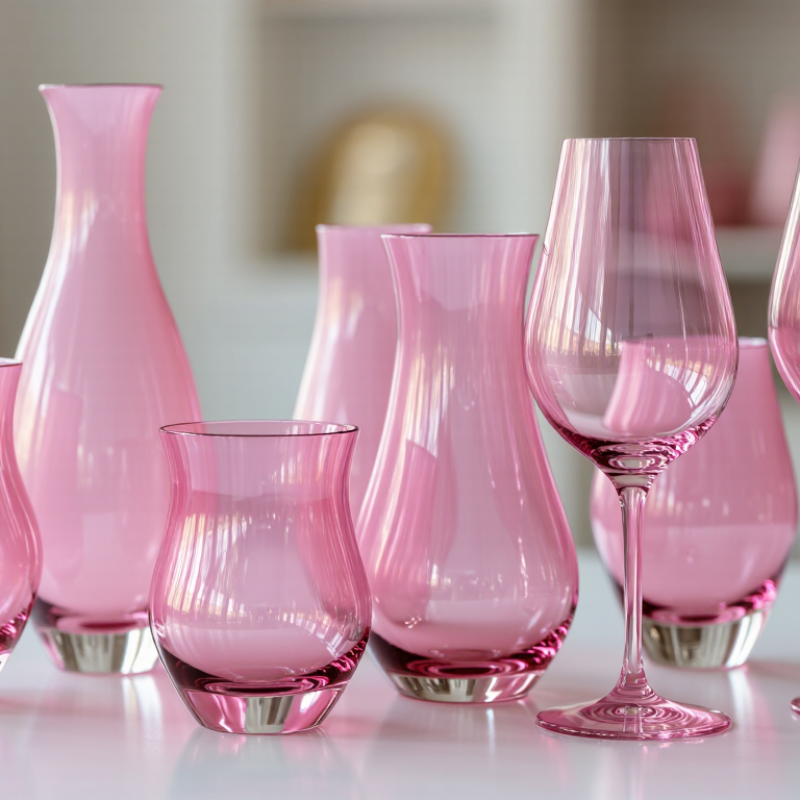
Pink rose glass is glass colored through its body or finished with a tinted surface layer. The distinction matters: a surface coating may look vivid, while bulk-colored glass keeps its hue through the material. Makers typically combine silica sand, soda ash, and limestone, then add carefully measured colorants. Selenium and gold-based compounds can produce pink or ruby tones, depending on the glass composition and firing conditions. The melt is shaped and annealed to reduce internal stress. Temperature control is crucial. Small changes can shift the shade.
The U.S. Geological Survey’s Mineral Commodity Summaries 2024 reports U.S. industrial sand and gravel production of about 96 million tons in 2023. This material serves many industries, not glassmaking alone, but it shows the scale of a key glass ingredient. For buyers, useful checks include color consistency, thickness, surface finish, and visible bubbles or stones. Ask suppliers how they sample batches and inspect finished pieces. Even experienced makers can see batch-to-batch drift. That part is frustrating. A sample viewed in daylight may also look different under warm indoor lighting, so assess it in both settings.
Pink rose glass is usually produced through colored glass batches, surface coatings, or laminated layers. Supplier location often signals the process available, not guaranteed color consistency. Shandong’s Zibo area has glassware and decorative-glass makers; Guangdong, including Foshan, has extensive architectural-glass processing. Hebei’s Shahe is a major sheet-glass center. These are useful starting points, not exclusive production zones.
The National Bureau of Statistics of China reported 969.41 million weight boxes of flat glass output in 2023. This figure indicates the scale of China’s glass supply base, but it does not measure pink or rose glass specifically. For sourcing, distinguish primary glassmakers from processors offering tempering, laminating, or coating. Ask which method creates the color. A slight tint shift matters. Check samples in daylight and warm indoor light; one sample can still hide batch variation. I would not assume a large factory is automatically better for small decorative runs.
Tips: Request a physical sample, color specification, thickness tolerance, and written confirmation of the production method. Compare samples beside a white background. A phone photo is not enough.
To find Chinese pink rose glass suppliers, search industrial directories and glass trade-fair exhibitor lists, then verify each supplier’s factory address and production capabilities. Ask whether the pink finish is colored throughout the glass or applied as a surface coating. The difference affects appearance, durability, and suitable cleaning methods. Color can drift.
Compare like with like. Request samples made to the same dimensions, thickness, finish, and packaging specification. Check the shade in daylight, inspect edges for bubbles or chips, and ask for written tolerances. For tableware, request applicable food-contact test documentation from a qualified laboratory. Ask for sample and bulk lead times, minimum order quantities, packaging details, and the method used to handle defects. Small details matter.
Grand View Research’s Glass Packaging Market Size, Share & Trends Analysis Report estimated the global glass packaging market at USD 62.8 billion in 2022 and projected 4.5% annual growth from 2023 to 2030. This broad market figure is useful context, not evidence of demand for pink rose glass specifically. Compare supplier quotations on the same basis, including freight and trade terms. A low unit price may hide thinner glass or weaker protective packaging. Recheck the final sample against the approved specification; paperwork alone can miss a shade mismatch.
Compare suppliers by requesting quotes for the same specifications. These commonly used flat-glass thickness options can help standardize your inquiry; availability for pink rose glass depends on the product type and supplier.
Ask each supplier to confirm thickness availability, color consistency, minimum order quantity, tolerances, sample lead time, and packaging in writing. The chart shows thickness options, not supplier ratings.
When sourcing pink rose glass from China, assess the supplier before comparing quotes. Request business registration, factory details, export references, and quality certificates with a scope relevant to glass production. Confirm that certificates are current; paperwork alone cannot show how a batch performs. Ask for a recent inspection record and traceable batch numbers. The details matter.
Check a physical sample under daylight and warm indoor light. Compare its color, wall thickness, dimensions, surface finish, and visible bubbles against a written specification. For formed glass, ask how the supplier controls annealing and checks for cracks. Grand View Research estimated the global glass packaging market at about US$65 billion in 2023, underscoring the scale of competition—but not proving any particular supplier’s quality. A small color shift may be acceptable to one buyer and costly to another. That part is easy to underestimate.
Tips: Request a pre-production sample and agree on measurable acceptance limits. Compare quotes with the same quantity, packaging, inspection, shipping terms, and tooling charges. Ask what happens if delivered goods differ from the approved sample. A cheaper offer may still make sense, but only when its exclusions are clear. Perfect consistency is difficult; document the variation you can accept.
When comparing pink rose glass suppliers in China, request a physical sample before approving a bulk order. Confirm its dimensions, weight, rim finish, and shade in writing. Pink tones can look different under warm indoor light and daylight. A phone photo is not enough. Small details matter. Ask whether the sample comes from the same production method planned for your order, and note that it may not perfectly match every finished piece.
Check how the supplier will protect the glass. Ask for photos of the proposed inner dividers, cushioning, and export carton, plus the carton’s dimensions and gross weight. If practical, request a packed sample or clear packing demonstration. Confirm how breakage is handled and whether replacement terms are written into the order. Packaging can look sturdy on a screen and still leave room for movement.
Before paying a deposit, confirm the shipping method, estimated dispatch date, transit range, and who arranges export clearance and destination delivery. Request a written freight quote that lists included charges and possible fees at arrival. Ask what shipping documents will be provided, and verify the delivery address and carton count before dispatch. Transit estimates can change, so leave a buffer for delays. I would still inspect the first delivered carton carefully; small chips are easy to miss in a quick check.
| Sourcing Route | Best For | What to Verify | Sample Checks | Packaging Checks | International Shipping Checks |
|---|---|---|---|---|---|
| China-focused B2B sourcing platforms | Comparing multiple suppliers, product styles, and quotations online. | Confirm the supplier’s legal business details, manufacturing or trading role, product specifications, minimum order quantity, and whether the quotation is current. | Request a physical sample and written details for color, dimensions, glass thickness, finish, and any decoration. Confirm whether the sample cost and courier fee are refundable or credited to an order. | Ask for photos or a packing sample showing individual protection, inner cartons, and master-carton configuration. | Compare the quoted Incoterm, destination, freight method, transit estimate, and who handles export documents and import clearance. |
| Trade fairs and industry exhibitions | Inspecting glassware in person and discussing customization directly with exhibitors. | Collect a formal quotation and verify that the quoted production facility, specifications, and contact details match the proposed order. | Examine the sample under neutral lighting. Check color consistency, visible bubbles or marks, rim finish, stability, and fit against the intended use. | Ask whether the displayed item uses the same protective materials and carton design proposed for shipment. | Request a written packing list, carton dimensions and gross weight, plus a freight quotation to the actual delivery address. |
| Independent sourcing or inspection service | Buyers who need help with supplier checks, factory communication, or pre-shipment inspection. | Define the service scope, fees, reporting format, conflict-of-interest policy, and whether factory audits or inspections are included. | Have the approved sample documented with measurements, color references, and dated photos so production can be compared against it. | Specify drop-test or packaging checks only where suitable for the product and agreed test method; request evidence and corrective-action records. | Clarify who books freight, checks shipping documents, and communicates delays. The importer remains responsible for confirming destination-country requirements. |
| Direct supplier inquiry | Buyers with a defined design, target quantity, and ability to manage supplier discussions. | Get the product drawing or specification sheet, material description, color process, tolerances, production lead time, payment terms, and quality-acceptance criteria in writing. | Approve a signed or otherwise identifiable “golden sample” before mass production; state which features may vary and by how much. | Confirm quantity per inner and master carton, dividers or cushioning, carton markings, and whether packaging is included in the unit price. | Compare Incoterms such as EXW, FOB, CIF, and DDP by named place or port. Confirm insurance, customs duties, taxes, and unloading responsibilities in the quote. |
| Pre-shipment quality inspection | Orders where breakage, color variation, or finish defects would create significant costs. | Agree the inspection timing, sample selection method, defect classifications, inspection checklist, and action required if results fail. | Compare production units with the approved sample for appearance, dimensions, finish, and agreed functional requirements. | Check that packed goods match the agreed carton count and packing method; record carton condition and inspection photos. | Release shipment only after required checks and documents are complete; confirm booking cut-off dates and cargo handover arrangements. |
| Before placing an order: Put the approved product specifications, sample reference, packaging details, inspection criteria, delivery address, and shipping responsibilities into the purchase agreement. Shipping rates, lead times, duties, and compliance requirements vary by route, shipment size, and destination; confirm them with the supplier and freight provider for each order. | |||||
Zibo in Shandong has glassware and decorative-glass makers. Foshan in Guangdong offers extensive architectural-glass processing, while Shahe in Hebei is a sheet-glass center. These are starting points, not guarantees.
Color may come from a tinted glass batch, a surface coating, or laminated layers. Ask which method the supplier uses. The method can affect color and appearance.
China produced 969.41 million weight boxes of flat glass in 2023, according to the National Bureau of Statistics. That figure shows industry scale, not pink glass output. A useful distinction.
Request business registration, factory details, export references, and relevant, current quality certificates. Also ask for recent inspection records and traceable batch numbers. Paperwork is not enough.
Inspect a physical sample in daylight and warm indoor light. Compare it beside a white background, checking color, thickness, dimensions, bubbles, and surface finish. Phone photos can mislead.
Ask how the supplier controls annealing and checks for cracks. Agree on thickness tolerances and measurable acceptance limits. Some variation may remain.
Compare quotes for the same quantity, packaging, inspection, shipping terms, and tooling charges. Ask what happens if delivered goods differ from the approved sample. Cheap can be unclear.
Not by itself. A large factory is not automatically better for small decorative runs, and one sample may hide batch variation. I might still miss a subtle shift, so document acceptable limits.
Pink Rose Glass is a decorative glass product valued for its soft pink tone and floral-inspired appearance. Its color and finish can vary according to the materials, forming process, and surface treatments used, so buyers should first define the shade, transparency, thickness, dimensions, and intended application they need. In China, production may be found in established glassmaking regions, with options ranging from manufacturers and processors to trading suppliers. Comparing these supplier types can help clarify production capabilities, customization options, and order requirements.
Before placing an order, compare supplier experience, product specifications, quality-control procedures, and pricing on a like-for-like basis. Request samples to check color consistency, finish, and workmanship, and confirm how production quality will be maintained across the full order. Also discuss minimum quantities, lead times, protective packaging, shipping arrangements, and any costs that may affect the final delivered price. Clear written confirmation of these details can make sourcing Pink Rose Glass more predictable and help prevent mismatches between expectations and the delivered product.

Jiaerbe Glass