The world of glass art is captivating and diverse, offering endless opportunities for creativity. "Glass Art Kits" have become increasingly popular among artists and hobbyists alike. According to a recent market report by Art Market Research, the global glass art market is projected to grow by 25% over the next five years. This reveals a rising interest in artistic pursuits that combine tradition with modern techniques.
Expert Ellen Stokes, a renowned figure in the glass art community, emphasizes, "When using Glass Art Kits, the journey of creation can be as rewarding as the final piece." This highlights the importance of experimenting with materials and techniques. However, not all kits are created equal. Some may lack essential tools or guidance, leading to frustration for beginners.
Choosing the right kit is crucial for a fulfilling artistic experience. Pay attention to the quality of included materials and instructions. This will greatly influence the outcome of your projects. Remember, creative expression is often accompanied by challenges that foster growth. Embrace this journey with glass art and explore what resonates with your artistic vision.
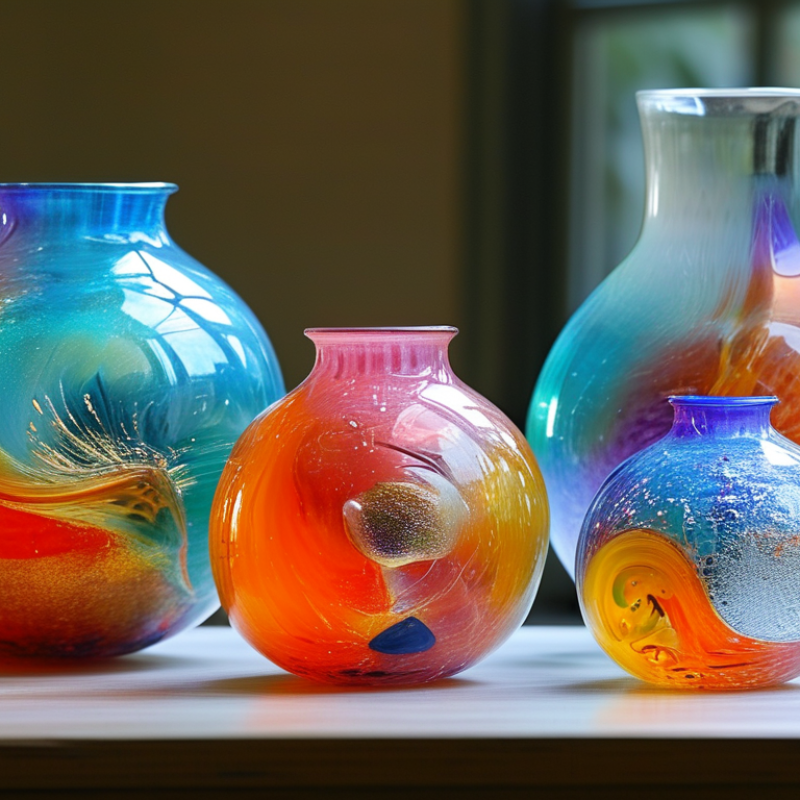
Understanding Glass Art: Techniques and Styles
Glass art encompasses a fascinating array of techniques and styles. From stained glass to glassblowing, artists express creativity through unique methods. According to recent industry reports, the global glass art market is projected to reach $20 billion by 2025. This growth reflects increasing interest in handmade goods and personalized art.
Understanding glass art techniques is essential. Fused glass involves heating glass pieces together, while glassblowing requires skill and precision. Artists often experiment, leading to unexpected challenges. For instance, achieving the right temperature is crucial to avoid breaking the glass. Each technique has its own nuances, making learning an ongoing journey.
Various styles exist within glass art. Traditional stained glass often adorns churches and historical buildings. In contrast, contemporary glass sculpture pushes boundaries, showcasing innovative forms and designs. Artists often face difficulties in choosing colors or motifs that resonate. Such choices can impact the emotional connection with the audience. Crafting glass art demands not only skill but also an understanding of the viewer’s perspective.
Explore the Best Glass Art Kits for Creative Projects Worldwide
| Kit Name |
Techniques |
Suitable For |
Skill Level |
Price Range |
| Stained Glass Kit |
Cutting, Foiling, Soldering |
Beginners & Hobbyists |
Beginner |
$25 - $50 |
| Fused Glass Art Kit |
Cutting, Fusing, Slumping |
Intermediate Artists |
Intermediate |
$60 - $120 |
| Glass Blowing Kit |
Blowing, Shaping, Annealing |
Advanced Artists |
Advanced |
$300 - $600 |
| Glass Etching Kit |
Etching, Stencil Work |
All Levels |
Beginner to Advanced |
$20 - $40 |
Essential Tools and Materials for Glass Art Projects
Engaging in glass art requires a thoughtful selection of tools and materials. At the core of any successful project are essential items like a reliable glass cutter and a sturdy cutting mat. These tools are fundamental for precision. A good glass cutter ensures clean edges, making it easier to assemble pieces. Furthermore, investing in safety gear, like goggles and gloves, is crucial for protecting yourself from sharp shards.
In addition to tools, the choice of materials is equally important. Different types of glass, such as stained or fused glass, each have unique characteristics. You might find that the weight and texture of the glass influence your design choices. For instance, thinner glass is easier to cut but may not be as durable. Likewise, having a variety of colors on hand can inspire creativity. Don't forget about adhesives and soldering supplies, which are necessary for assembling different glass pieces together.
While the excitement of glass art is palpable, challenges often arise. Beginners may struggle with cutting techniques or the proper use of adhesives. Experiments might lead to mistakes, but they offer valuable lessons. Each project reveals new insights, encouraging artists to adapt and refine their skills. Embracing this learning curve can deepen your appreciation for the intricate art of glassmaking.
Top Glass Art Kits for Beginners: Features and Reviews
Creating art with glass can be both rewarding and challenging, especially for beginners. Glass art kits designed for novices often include essential tools and materials. Many kits provide safety gear, which is crucial since working with glass can be risky. Understanding this can greatly enhance the artist's experience.
A good kit should feature straightforward instructions and a variety of projects. Beginners often feel overwhelmed, so clear guidance is essential. Projects may range from simple ornaments to small sculptures. However, it is imperative to remember that the initial attempts may not always meet expectations. Mistakes can lead to creative breakthroughs. This aspect of learning is vital for anyone wanting to grow their skills.
Moreover, the quality of materials can vary. Some kits might include less durable glass. This could impact the final results and user satisfaction. It’s important for beginners to reflect on their experiences. Understanding what does or does not work fosters improvement in future projects. Embracing the imperfections in the learning process can lead to unexpected creative paths.
Advanced Glass Art Kits for Experienced Artists: A Comparative Guide
When exploring advanced glass art kits, experienced artists are often on the lookout for tools that elevate their craft. A recent industry report highlights that over 70% of professionals prefer kits that offer versatility and superior quality materials. These kits often include specialized tools like glass cutters, grinders, and torches that facilitate intricate designs.
Artist feedback often indicates that traditional glass art kits fall short in durability. Many artists report frequent replacements, leading to frustration. A comparative guide can help identify kits with robust components and innovative features. For instance, some kits provide ergonomic designs that reduce strain during long sessions. Others come with comprehensive guides that enhance mastery of techniques, crucial for those refining their skills.
The market is evolving, though, presenting both challenges and opportunities. Artists must navigate a plethora of options while discerning quality. Not every kit on the market meets high standards, which can lead to poor results. Investing in the right materials is vital for achieving professional outcomes. Thoughtful research can illuminate the best choices that align with an artist's unique style and goals.
Explore the Best Glass Art Kits for Creative Projects Worldwide
Tips for Selecting the Right Glass Art Kit for Your Creative Needs
When selecting a glass art kit, consider your skill level.
Beginners might benefit from easy-to-follow instructions. Kits that offer guided projects can help build confidence.
Look for options that include essential tools like cutters and safety gear. A good kit should also provide
a variety of glass types, allowing for experimentation.
Next, evaluate the themes of the projects offered.
Some kits focus on decorative pieces like sun catchers, while others may cater to functional items like coasters or jewelry.
Assess what resonates with your creative vision.
Don't shy away from more complex kits, but ensure they come with ample instructional resources.
This balance will enable you to grow your skills while creating meaningful art.
Reflect on your workspace as well. Glass art can create mess;
having a dedicated area will help you stay organized. Also, think about the storage of your creations.
Choose kits that aesthetically fit your living space.
It's okay to feel overwhelmed at times. Each piece you create is a learning journey,
filled with challenges and discoveries. This process is where the real joy lies.
FAQS
: Key techniques include fused glass and glassblowing. Each method has unique challenges and requires practice.
Proper temperature is vital to prevent breaking glass. It can influence the success of your project.
Essential tools include a reliable glass cutter and a sturdy cutting mat. Safety gear is also necessary.
Different glass types have unique characteristics. Weight and texture can impact your design choices significantly.
Beginners can benefit from kits with easy instructions. Guided projects can help build confidence.
A dedicated workspace helps manage mess and stays organized. Storage solutions also keep your creations safe.
Beginners may struggle with cutting techniques or using adhesives. Mistakes can happen but are valuable learning experiences.
Look for kits that align with your artistic themes and include various glass types for experimentation.
Artists can feel overwhelmed by choices in colors or motifs. It's a normal part of the creative process.
The real joy lies in the learning journey. Each piece reveals challenges and discoveries that enrich your skills.
Conclusion
This article explores the fascinating world of glass art, highlighting various techniques and styles that artists can utilize to create stunning projects. It emphasizes the essential tools and materials required for working with glass, making it easier for both beginners and experienced artists to embark on their creative journeys.
Furthermore, the article provides a detailed overview of the best Glass Art Kits available for different skill levels. For beginners, it reviews kits that include user-friendly features, while advanced artists can find a comparative guide to more sophisticated options. With practical tips on selecting the right Glass Art Kit for individual creative needs, this comprehensive guide aims to inspire and equip artists worldwide in their glass art endeavors.

 Jiaerbe Glass