Choosing the best 9x9 Glass Sheet supplier in China requires more than comparing online prices. The word “best” depends on glass type, thickness, tolerance, edge finish, packaging, and delivery reliability. Is the size 9x9 inches, 9x9 centimeters, or a custom specification? That detail can change the quotation, cutting method, and inspection standard.
Industry data supports careful supplier evaluation. Grand View Research identifies construction as a major end-use sector for flat glass, while Mordor Intelligence reports continued growth in global architectural glass demand. China’s National Bureau of Statistics also tracks substantial flat-glass production, showing the country’s large manufacturing base. Scale helps. It does not guarantee consistency.
A dependable factory should provide clear technical drawings, material certificates, sample approval, and traceable inspection records. Look for compliance with relevant standards, such as EN 12150 for thermally toughened safety glass or ASTM C1048 for heat-treated flat glass, where applicable. Ask how the supplier checks thickness, squareness, surface scratches, edge chips, and protective film adhesion. A 9x9 Glass Sheet may look simple on a sample table, yet small corner damage can multiply during transport.
No supplier is perfect. That assumption needs testing. Request production photos, batch data, and references from comparable orders. Examine carton separators, moisture protection, and pallet stability before approving mass production. This guide compares Chinese suppliers through technical capability, quality control, communication, customization, and total landed cost. The lowest unit price may not be the lowest real cost.
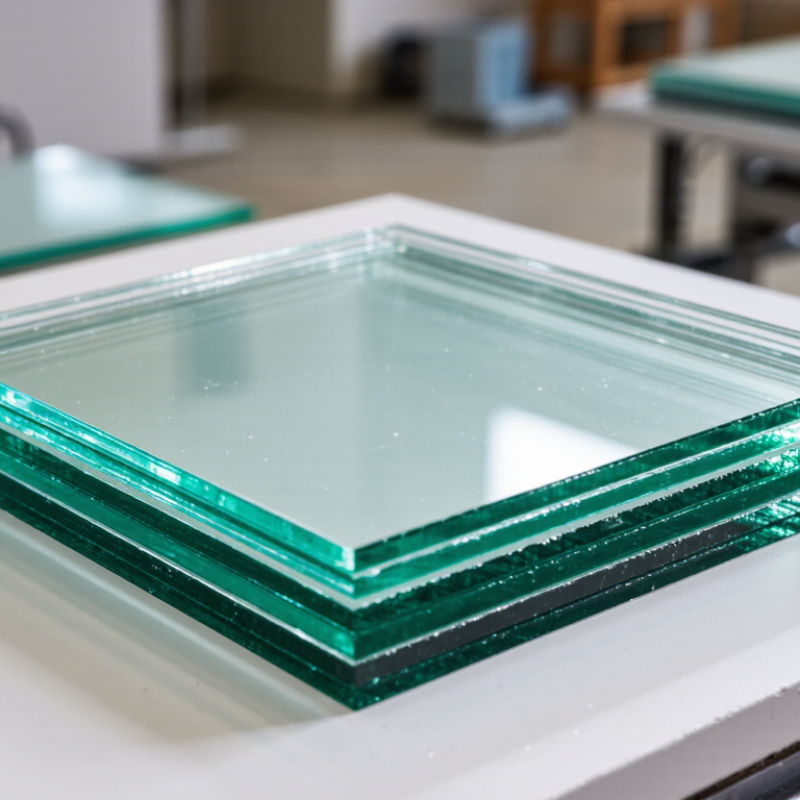
A 9x9 glass sheet usually means a square panel measuring 9 by 9 inches, or about 229 by 229 millimeters. However, the measurement must be confirmed before ordering. Some suppliers use millimeters, while others follow inch-based drawings. A small unit mistake can create expensive fitting problems.
The glass itself may be clear, frosted, tinted, tempered, or laminated. Its purpose determines the correct type. A cabinet insert may need thin, polished glass, while a tabletop requires stronger material and carefully finished edges. Thickness also matters. Common options include 3 mm, 5 mm, and 6 mm, but the safest choice depends on the frame, load, and installation method. Ask for dimensional tolerance, corner details, and surface-quality standards.
When comparing a 9x9 glass sheet supplier in China, request a sample or a detailed inspection report. Check whether the corners are sharp, lightly polished, or rounded. Examine the packing method too. Foam separators, rigid cartons, and moisture protection reduce damage during shipping. My early specifications were too vague; I focused on size and ignored edge finishing. That caused avoidable revisions. A reliable supplier should clarify unclear drawings, confirm production details, and report defects honestly. Still, no inspection process is perfect. Even a clean sample cannot predict every production issue. Photo records and random measurements remain useful before dispatch.
A 9x9 glass sheet normally measures 228.6 x 228.6 mm. Confirm the unit before ordering. Inch and millimeter confusion can create costly cutting errors. Common thicknesses range from 3 to 6 mm, depending on the application. For safety glazing, request heat-treated glass and verify compliance with EN 12150 or ASTM C1048. These standards address strength, fragmentation, and quality consistency.
Light transmission should be tested under ISO 9050 conditions. Clear glass often provides around 88% to 91% visible-light transmittance at standard thicknesses. Actual results vary with iron content and coating. Edge quality also matters. Polished edges reduce handling risks, while rough edges may cause cracks during installation. Ask for tolerance records, flatness data, and a recent inspection report. Small sheets still deserve serious inspection.
Energy performance is not merely a large-window issue. The International Energy Agency reported that buildings represented about 30% of global final energy consumption in 2022. Selecting suitable solar-control glass can reduce unwanted heat, although the final result depends on framing and installation. I would also check corner protection, moisture barriers, and carton strength. Packaging is often overlooked. That is a mistake. Supplier claims should match laboratory results, sample measurements, and batch records. Sometimes, even a seemingly perfect sample hides inconsistent edge finishing.
Choosing the best 9x9 glass sheet supplier in China requires more than comparing prices. Start with product control. Ask for dimensional tolerances, thickness records, edge-finish samples, and tempering certificates. For a 9x9 sheet, even a small size variation can disrupt framing or installation. Request inspection photos from the actual production batch, not only catalog images.
Supplier capability also appears in its records. The ISO Survey 2023 shows China has the world’s largest number of ISO 9001-certified organizations, but certification alone proves little. Check the certificate scope, issuing body, renewal date, and factory address. The International Energy Agency’s industrial reports identify process heat as a major energy demand, making furnace stability important for glass quality. Ask for breakage rates, optical-distortion results, and furnace maintenance records. These details are less attractive than marketing language, but more useful.
Tips: Order samples from two production batches. Measure nine points with a calibrated tool. Inspect corners under strong side lighting. Confirm packing strength with photos and a drop-test procedure. Also verify replacement policy, lead time, and export documents before payment. A low quotation may hide weak packaging or inconsistent thickness. I would not accept a perfect sample as final proof. Production can vary, and that uncomfortable possibility deserves written controls. Cross-check technical claims against ASTM or EN test methods, then keep every approval record for future complaints.
This suggested evaluation framework uses weighted criteria for comparing Chinese glass sheet suppliers. Product quality, certification, consistency, production capacity, logistics, and communication should all be reviewed before selecting a supplier.
Comparing 9x9 glass sheet suppliers requires more than checking the lowest quotation. Confirm the actual size, thickness tolerance, edge treatment, surface flatness, and glass type. A reliable supplier should provide recent inspection records, product samples, and clear production specifications. Ask whether dimensions are measured before or after edge processing. That small detail can affect installation.
Pricing should include more than the glass itself. Request a line-by-line quotation covering cutting, polishing, packaging, inland delivery, and export handling. Compare the same specifications across suppliers. Otherwise, a cheaper offer may only reflect thinner glass, simpler packing, or missing quality checks. Ask for the minimum order quantity and replacement policy for damaged sheets. These details show how seriously a supplier manages risk.
Communication is another practical quality indicator. Technical replies should be specific, with drawings, tolerance ranges, and realistic production times. Vague promises deserve caution. I have seen attractive samples fail during mass production because the inspection standard was never written down. No supplier is perfect. However, a professional factory should explain possible defects and suggest controls, such as corner protection and moisture-resistant crates. Check production capacity, inspection equipment, and experience with similar orders. Measure twice. A supplier that documents each step may cost slightly more, but its pricing is easier to trust.
Choosing the best 9x9 glass sheet supplier in China requires more than comparing prices. Start with the application: picture framing, cabinetry, laboratory use, or interior decoration. Ask for the exact thickness, dimensional tolerance, flatness, edge finish, and surface quality. A reliable supplier should provide samples from the same production line. Check each 9x9 sheet under angled light. Look for scratches, bubbles, roller marks, and corner chips.
Energy performance also deserves attention. The International Energy Agency’s 2023 buildings report states that buildings account for about 34% of global energy demand. Therefore, suppliers offering low-emissivity, laminated, or insulated glass should explain tested thermal values, not only use sales language. Request documents such as test reports, batch records, and certificates linked to recognized standards, including ASTM or EN requirements. ISO 9001 certification can support process control, but it cannot replace product inspection.
Packaging is easy to underestimate. Ask how sheets are separated, moisture-protected, and secured inside the crate. A small corner protector can prevent expensive damage. Confirm loading photos, carton labels, replacement policies, and delivery records before ordering. A trial order is wiser than a large first purchase. Yet one weakness remains: a polished sample may not represent monthly production. Review several batches, and keep your own inspection checklist. Price still matters, but unstable thickness or poor packing can cost more than the original quotation.
Practical supplier evaluation framework for 9 × 9 inch glass sheets
| Evaluation Dimension | Recommended Requirement | Typical Reference Data | Verification Method | Suggested Weight |
|---|---|---|---|---|
| Exact Size Capability | The supplier should consistently produce 9 × 9 inch sheets, equal to approximately 228.6 × 228.6 mm. | Common dimensional tolerance: ±0.5 to ±1.0 mm, depending on processing and order specifications. | Check inspection reports and measure samples with a calibrated digital caliper. | 15% |
| Glass Type | The material must match the application, such as clear float glass, low-iron glass, tempered glass, laminated glass, or coated glass. | Typical thickness options include 3, 4, 5, 6, 8, 10, and 12 mm. | Request the glass composition, thickness report, and product data sheet. | 12% |
| Thickness Tolerance | Thickness must remain within the tolerance required for installation, framing, or assembly. | A practical commercial target is approximately ±0.2 to ±0.3 mm for standard processed sheets. | Measure multiple points on each sample using a calibrated thickness gauge. | 8% |
| Surface Quality | The surface should be free from visible scratches, chips, cracks, bubbles, contamination, and unacceptable distortion. | Quality should be assessed under consistent lighting from a defined inspection distance. | Approve a signed visual inspection standard before mass production. | 12% |
| Edge Processing | The supplier should provide flat-polished, arrissed, beveled, or rounded edges as specified. | Edge chips should be controlled according to the approved drawing and sample. | Inspect edge finish visually and compare it with the approved reference sample. | 8% |
| Tempering and Safety | For safety applications, the supplier should offer certified heat-treated or laminated glass when required. | Tempered glass generally has greater thermal and mechanical resistance than annealed glass, but it cannot be cut after tempering. | Request heat-treatment records, safety test reports, and traceable batch numbers. | 12% |
| Minimum Order Quantity | The minimum order should suit the project size and avoid unnecessary inventory. | Custom processed glass commonly has higher minimum quantities than standard stock sheets; the exact amount depends on thickness and processing. | Obtain a written quotation showing minimum quantity, setup charges, and sample costs. | 6% |
| Production Lead Time | The supplier should provide a realistic schedule covering sampling, production, inspection, and packing. | Standard orders may take about 2–4 weeks after artwork, drawings, and specifications are approved; custom projects may require longer. | Compare the promised schedule with previous delivery records and production capacity. | 8% |
| Packaging and Export Protection | Packaging should protect small glass sheets from impact, moisture, abrasion, and movement during transport. | Suitable methods include paper interleaving, protective corners, moisture-resistant wrapping, and strong export crates. | Review packaging photographs, crate specifications, and the damage-claim procedure. | 8% |
| Quality Management | A reliable supplier should use documented incoming, in-process, and final inspection procedures. | Inspection records should include dimensions, thickness, appearance, quantity, and packaging condition. | Ask for sample inspection forms, corrective-action records, and an optional pre-shipment inspection. | 7% |
| Documentation and Traceability | Every shipment should be traceable to its production batch and approved specifications. | Useful documents include commercial invoices, packing lists, certificates of conformity, test reports, and batch records. | Confirm document availability before placing the purchase order. | 4% |
| Total Evaluation Weight | 100% | |||
It usually measures 9 by 9 inches, or approximately 229 by 229 millimeters. Confirm the unit before ordering. Measure twice.
Clear glass may suit framing or cabinetry. Frosted or tinted glass suits decorative applications. Tables may require tempered or laminated glass.
Common thicknesses include 3, 5, and 6 millimeters. Choose based on the frame, load, support, and installation method.
Ask whether edges are sharp, polished, or rounded. Tabletop glass usually needs carefully finished edges. Cabinet inserts may require simpler polishing.
Measure nine points with a calibrated tool. Check corners under angled light. Look for scratches, bubbles, roller marks, and chips.
Request dimensional records, thickness results, inspection photos, batch details, and heat-treatment certificates. Check certificate scope and factory information carefully.
Ask for foam separators, rigid cartons, moisture protection, and corner guards. Request loading photos and a documented drop-test procedure.
No. A low price may hide weak packaging, unstable thickness, or limited replacement support. Cheap glass can become expensive after damage.
No. A clean sample cannot predict every batch. Order samples from different production runs and keep written inspection records.
Confirm tolerance, flatness, edge treatment, surface quality, lead time, replacement terms, packing, and export documents. My earlier specifications were too vague.
A 9x9 Glass Sheet is a square glass product commonly used in interior decoration, furniture, craft projects, display panels, and small architectural applications. When evaluating this type of glass, buyers should consider dimensions, thickness, flatness, edge treatment, surface quality, transparency, color options, strength, and tolerance control. Packaging quality is also important because it helps prevent scratches, breakage, and moisture damage during transportation.
To choose the best 9x9 Glass Sheet supplier in China, compare manufacturers according to production capability, quality inspection procedures, customization options, communication efficiency, lead times, minimum order quantities, and total pricing. A reliable supplier should provide clear specifications, consistent product quality, secure packaging, and practical after-sales support. Instead of focusing only on the lowest quotation, buyers should assess the balance between material quality, processing accuracy, delivery reliability, and long-term cooperation potential. Clear requirements and sample testing can further reduce purchasing risks and support a confident final decision.

Jiaerbe Glass