Choosing where to buy the best 4x4 Glass Sheet in China starts with a clear specification. Does “4x4” mean inches, feet, or another unit? Confirm the dimensions, thickness, glass type, edge finish, and intended use before comparing suppliers. A square sample may look simple, but its edges and thickness can change how it fits a frame or withstands handling. Small details matter.
China offers a broad glass manufacturing base. The National Bureau of Statistics reported approximately 969 million weight cases of flat glass produced in China in 2023. This figure describes the wider flat-glass industry, not the availability or quality of any particular 4x4 Glass Sheet. That distinction matters. The International Energy Agency’s Buildings report notes that buildings account for around 30% of global final energy consumption, making glazing performance relevant to many construction projects. Buyers should still match the glass specification to the actual application rather than rely on broad efficiency claims.
When evaluating Chinese suppliers, request a written quotation, current product specifications, and clear details about inspection and protective packaging. Ask how the sheet is measured, whether tolerances are stated, and how corners are guarded for shipment. If the seller cannot answer consistently, pause. Online photos alone are weak evidence, and a low price can hide an unsuitable finish or unclear packing terms. I would verify these details before placing a large order; even careful checks cannot remove every uncertainty. A dependable purchase depends on traceable specifications, responsive communication, and evidence that the delivered sheet matches the agreed sample.
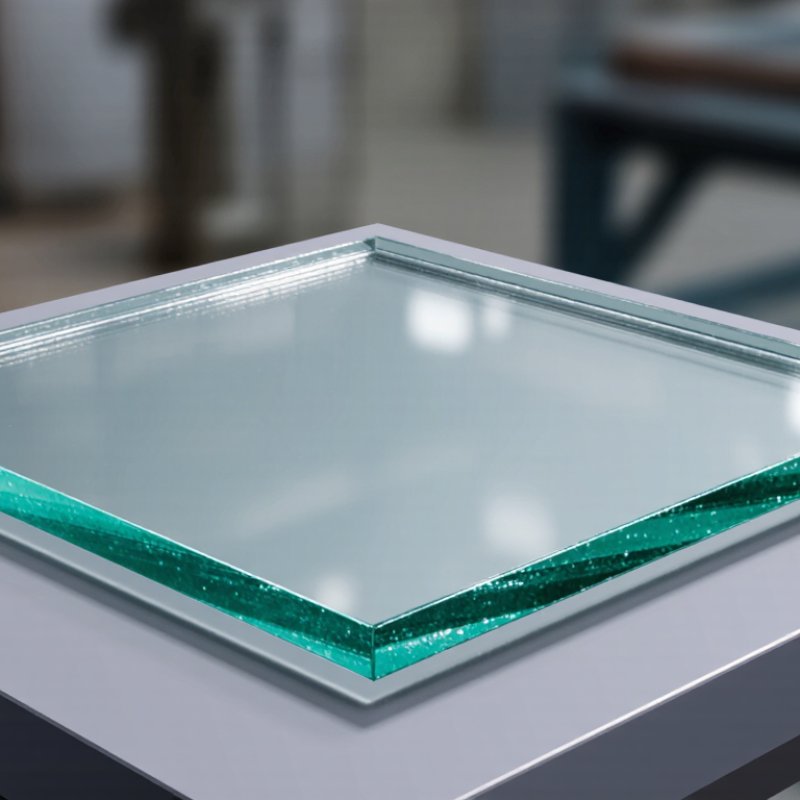
Understanding 4x4 Glass Sheets and Their Specifications
A “4x4” glass sheet may mean four inches by four inches, or four feet by four feet. Confirm the unit before requesting a quote. Ask for the finished dimensions, not only the nominal size, because cutting tolerances can affect fit. A sample or dimensioned drawing helps prevent surprises.
Thickness is usually stated in millimeters, such as 3 mm or 6 mm. The right choice depends on the application, support, and expected handling. Also specify whether the glass should be annealed or tempered, and whether you need clear, tinted, or frosted material. Edgework matters: polished edges feel smooth, while rough-cut edges may chip more easily. One detail is easy to miss: surface clarity and color can vary slightly between batches.
Tips: Request a written specification sheet listing size, thickness, edge finish, and acceptable tolerances. Check a sample under the lighting where it will be used. For large orders, confirm packing and transport protection. Specifications are not exciting, admittedly, but vague descriptions can cost time later.
| Specification | Typical Detail for a 4 × 4 ft Sheet | What to Confirm When Buying |
|---|---|---|
| Meaning of “4x4” | Usually 4 ft × 4 ft, but the notation is not a universal glass-industry standard. | Confirm the unit and finished dimensions in writing before requesting a quotation. |
| Metric dimensions | 4 ft × 4 ft equals 48 × 48 in, or approximately 1,219.2 × 1,219.2 mm. | State whether dimensions are nominal or exact, and specify the permitted dimensional tolerance. |
| Approximate surface area | About 1.486 m² (16 ft²). | Use the confirmed finished size when estimating material requirements and shipping volume. |
| Common thicknesses | Common flat-glass thickness options include 3, 4, 5, 6, 8, 10 and 12 mm; availability depends on the glass type and processing. | Choose thickness based on the application, panel support, loading, safety requirements and applicable local codes. |
| Approximate glass weight | Using a typical glass density of about 2,500 kg/m³, a 4 × 4 ft sheet weighs approximately 3.7 kg per millimetre of thickness. For example, 6 mm is about 22.3 kg and 10 mm about 37.2 kg. | These are estimates for glass only. Packaging, interlayers, coatings and actual dimensions can affect the shipped weight. |
| Annealed float glass | Standard flat glass that has been cooled in a controlled process; it can be cut and edge-worked before installation. | Ask whether the application requires safety glazing. Annealed glass generally breaks into larger, sharper fragments than tempered glass. |
| Tempered glass | Heat-treated safety glass designed to have greater strength than comparable annealed glass and to break into smaller fragments. | Specify all holes, notches, cut-outs and edge finishes before tempering. Tempered glass cannot be cut or drilled afterward. |
| Laminated glass | Two or more glass plies bonded with an interlayer, commonly PVB or ionoplast. A 3 mm + 3 mm build with a 0.38 mm interlayer is approximately 6.38 mm overall. | Confirm the glass-ply thickness, interlayer material and thickness, edge exposure requirements, and any required safety standard. |
| Coated glass | May include Low-E or solar-control coatings for specific thermal or solar-performance needs. | Request the coating type and performance data. Confirm which surface carries the coating and whether the selected product can be tempered or laminated. |
| Edge and corner finish | Available processing may include seamed, ground or polished edges, plus specified corner shapes. | Provide a drawing showing edge finish, corner details, holes and cut-outs; these details affect both production and price. |
| Quality and compliance documents | Documentation may include product specifications, inspection records and test reports relevant to the glass type and destination market. | Identify the destination country and required standard in advance. Check that documents apply to the quoted construction, thickness and processing. |
| Shipping and protection | Flat glass is commonly packed with protective separation and secured in a suitable crate or rack for transport. | Confirm packaging method, crate dimensions, loading arrangements, shipment terms, insurance and responsibility for transit damage. |
| Quotation checklist | Include glass type, exact finished dimensions, thickness, quantity, processing, required documents and delivery destination. | Request a written specification and drawing for approval before production; compare quotations against the same complete requirements. |
Note: Weight figures are approximate calculations based on a glass density of 2,500 kg/m³. Confirm final specifications, safety requirements and tolerances with the supplier for the intended application.
Confirm the unit and whether dimensions are finished size or cutting size. Small differences can affect the frame.
Annealed glass is easier to cut but can break into larger, sharper pieces. Tempered glass breaks into smaller fragments, while laminated glass has layers that help hold pieces together. Each has trade-offs.
Ask for batch-linked inspection results, thickness measurements, dimensional tolerances, and edge-finish details. A polished sample alone proves little.
Check it in daylight for scratches, bubbles, chips, waviness, and uneven edges. Measure several points with a caliper. Keep one approved sample for comparison.
No. Ask how production batches are inspected and how results are shared. Differences can still appear.
Send each supplier the same details: glass type, thickness, size, edge finish, and tolerances. Manufacturers may suit custom processing; distributors may have standard sizes in stock.
Ask about corner guards, separators, crate strength, labels, and loading photos. A panel can be damaged before installation.
Confirm lead time, payment milestones, shipping documents, inspection arrangements, and who responds to damage claims. I once overlooked edgework; I would check it earlier now.
Choosing the best 4x4 Glass Sheet in China starts with understanding the sheet’s dimensions, thickness, intended use, and required performance. Buyers should compare available glass types and quality standards, considering factors such as clarity, strength, finish, and consistency. Defining these requirements early makes it easier to identify products suited to a particular project and avoid paying for specifications that are not needed.
China offers many potential manufacturers and distributors, so supplier selection should go beyond the quoted price. Evaluate communication, production capabilities, sample quality, packaging, and export services, and confirm that product details match your requirements. By comparing samples, delivery schedules, and total costs alongside quality, you can choose a supplier that provides dependable glass and a practical fit for your budget and timeline.

 Jiaerbe Glass