In modern architecture, Glazing Blocks are gaining significant attention. Renowned architect Sarah Johnson emphasizes their impact, stating, "Glazing Blocks provide both beauty and functionality." This innovative material blends aesthetics with structural integrity. It allows natural light to permeate while ensuring privacy.
The versatility of Glazing Blocks opens new design possibilities. They can be used in walls, partitions, and even as decorative features. Their ability to create visually stunning spaces while enhancing energy efficiency is unmatched. Architects appreciate how these blocks can transform ordinary buildings into modern masterpieces.
However, the use of Glazing Blocks isn't without challenges. Proper installation and sourcing quality materials require expertise. Not all projects may benefit equally. Architects must weigh the pros and cons carefully to ensure the best outcomes.
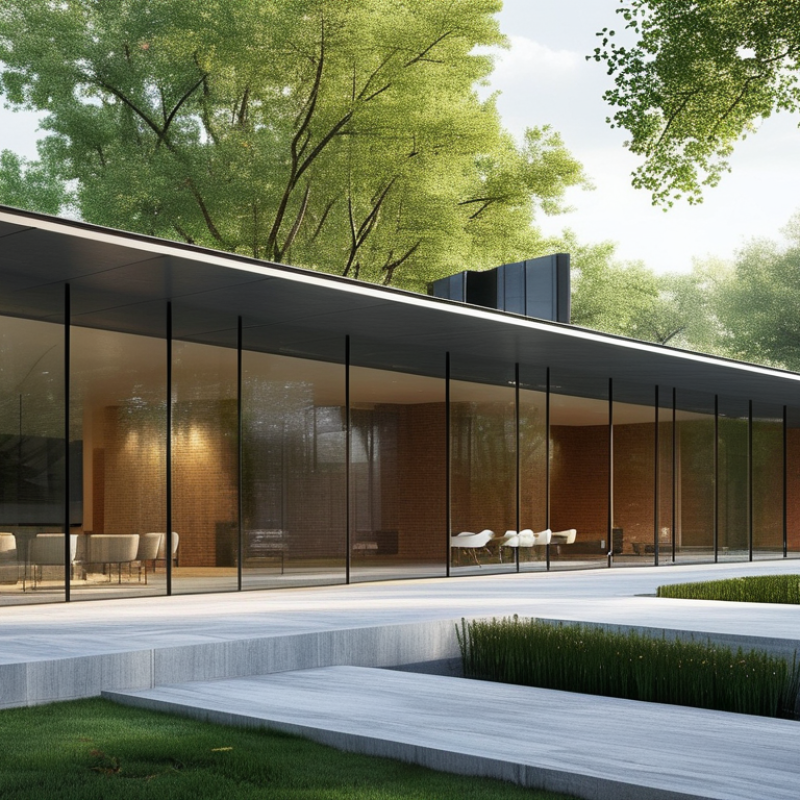
Glazing blocks have emerged as a popular choice in modern architecture. They not only provide structural integrity but also enhance natural light in interior spaces. The unique design of glazing blocks allows sunlight to filter through, creating bright, inviting environments. Natural light has been proven to boost mood and productivity, making these blocks a valuable asset in both residential and commercial settings.
Using glazing blocks can optimize the distribution of light without compromising privacy. The frosted or textured surfaces diffuse sunlight effectively, resulting in softer illumination. This feature can help reduce the need for artificial lighting during the day, which is beneficial for energy efficiency. However, one must consider the placement carefully; improper positioning may lead to glare or overly bright spots in certain areas.
The aesthetic appeal of glazing blocks adds to their charm. They come in various colors and sizes, offering flexibility in design. Architects can create stunning features that draw attention while maintaining functionality. Yet, there's a challenge in balancing aesthetics with performance. Sometimes, the beauty of glazing blocks can overshadow practical concerns, such as thermal insulation or maintenance. This balance requires thoughtful consideration to achieve the best outcome.
In modern architecture, thermal insulation is critical for energy efficiency. Glazing blocks are an innovative solution for enhancing insulation in buildings. Their unique structure provides significant thermal resistance, which helps maintain comfortable indoor temperatures. This is particularly valuable in regions with extreme climates.
The visual appeal of glazing blocks adds depth to building designs. However, the effectiveness of these blocks depends on proper installation and quality materials. Some installations may face challenges, such as poor sealing or misalignment, leading to thermal leaks. Regular assessment and maintenance are vital to ensure optimal performance.
When selecting glazing blocks, it is essential to consider their composition and insulation values. Not all blocks perform equally, so understanding their properties is crucial. Architects should collaborate with knowledgeable suppliers to choose the best options. This hands-on approach can lead to better outcomes in thermal management and overall design integrity.
| Benefit | Description | Thermal Insulation Performance | Energy Efficiency Rating |
|---|---|---|---|
| Aesthetic Appeal | Provides a modern and sleek appearance to buildings. | High thermal efficiency with minimal loss. | A+ Rating |
| Durability | Resistant to weather and UV damage, lasting longer than traditional glazing. | Effectively maintains temperature control. | A Rating |
| Sound Insulation | Reduces noise pollution from external sources, creating a quieter interior environment. | Excellent sound dampening properties. | B Rating |
| Light Diffusion | Allow natural light into spaces while maintaining privacy. | Balances light and heat efficiently. | B+ Rating |
| Eco-Friendliness | Made from recyclable materials, reducing environmental impact. | Helps in reducing overall energy consumption. | A+ Rating |
Urban environments often present unique challenges, particularly with noise management. Glazing blocks offer an effective solution for soundproofing in modern architecture. Their solid composition significantly reduces the transmission of sound, creating a quieter indoor space. This is especially beneficial for buildings located near busy streets or construction sites.
The design of glazing blocks enhances their acoustic properties. Their dense structure absorbs sound waves, preventing them from echoing within spaces. Moreover, the way these blocks are arranged can further minimize sound entry.
While they provide excellent sound isolation, one must consider the potential limitations. Installation might require specific expertise to maximize benefits, and improper setup can lead to sound leakage.
Incorporating glazing blocks can redefine the auditory experience within urban buildings. They not only offer aesthetic appeal but also deliver functional advantages. Yet, architects must reflect on the balance between beauty and acoustic necessity. Exploring alternatives or hybrids may lead to a more tailored solution for each project.
Glazing blocks are transforming modern architecture with their aesthetic versatility. These blocks allow for creative designs, combining light transmission and privacy in unique ways. Architects appreciate their ability to create vibrant facades or fluid interior spaces. Their textures and colors offer a multitude of design possibilities. Mixing different sizes and patterns elevates the visual appeal of any structure.
The interplay of light and shadow through glazing blocks is captivating. Natural light can enhance the mood of a space. However, using these blocks requires careful planning to balance aesthetics with functionality. Providers sometimes overlook how light interacts with various materials. This can lead to unexpected outcomes in design.
Despite their benefits, challenges exist. Maintaining the cleanliness of glazing blocks can be demanding. They may also require structural considerations not initially anticipated. Finding the right combination of transparency and insulation might need expert input. Engaging with professionals ensures a thorough understanding. Artistic vision paired with technical knowledge is key for successful implementation.
Glazing blocks have gained popularity in modern architecture for various reasons. One of the most significant benefits is their cost-efficiency. These blocks are often less expensive than traditional glass installations. This is particularly advantageous for large construction projects. Labor costs can also be lower. Glazing blocks can be installed quickly, saving both time and money.
Maintenance is another critical aspect. Glazing blocks are durable and weather-resistant, reducing the frequency of repairs. Their robust nature allows them to withstand harsh environments. Many builders find that they require less upkeep than other materials. This can lead to significant savings in the long run. However, there may be challenges in sourcing high-quality blocks. Not all options provide the same level of durability or aesthetics.
It is essential for architects and builders to weigh these benefits carefully. While glazing blocks offer numerous advantages, selecting the right product is crucial. Inconsistent quality can lead to issues down the line. Proper installation is also vital to ensure longevity and performance. Addressing these factors can help maximize the benefits of glazing blocks in any construction project.
This chart illustrates the key benefits of using glazing blocks in modern architecture, focusing on cost-efficiency and maintenance factors.
: Glazing blocks are architectural elements that enhance natural light while providing structural integrity.
Their design allows sunlight to filter through, creating bright and inviting spaces.
They reduce the need for artificial lighting, saving energy during daytime use.
Yes, their frosted or textured surfaces effectively diffuse light, ensuring privacy.
They significantly reduce sound transmission, creating quieter indoor environments.
Yes, improper installation can lead to sound leakage and diminished performance.
They are usually cheaper than traditional glass, which lowers overall labor costs.
They are durable and weather-resistant, requiring less frequent repairs and upkeep.
Builders must assess quality, installation methods, and balance aesthetics with performance.
Yes, sometimes aesthetics may overshadow practical concerns, requiring careful consideration.
Glazing blocks offer numerous benefits that enhance modern architecture, making them an excellent choice for contemporary construction. One of the primary advantages is their ability to improve the natural light in spaces, creating vibrant and uplifting environments. Additionally, glazing blocks provide superior thermal insulation, helping to maintain comfortable indoor temperatures while reducing energy costs. Their soundproofing capabilities are particularly valuable in urban settings, where noise reduction is crucial for occupant comfort.
Moreover, the aesthetic versatility of glazing blocks allows architects to incorporate them into various design styles, contributing to the visual appeal of modern buildings. Finally, the cost-efficiency and low maintenance requirements of glazing blocks make them a practical option for builders and homeowners alike. In summary, glazing blocks serve as a functional and stylish solution that addresses various architectural needs in today's designs.

Jiaerbe Glass