Why Choose 6mm Float Glass for Global Projects?

Time:2026-09-22 Author:Mason
0%

Choosing 6mm Float Glass for global projects involves more than selecting a standard thickness. It requires careful evaluation of climate, building use, transport conditions, and local regulations. This glass offers a practical balance between daylight, visual clarity, weight, and fabrication flexibility. Its smooth surface supports consistent cutting, coating, tempering, and lamination. That consistency can simplify quality control across different project locations.

On a real project, small details matter. A 6mm Float Glass panel may travel through humid ports, crowded warehouses, and uneven site conditions. Proper edge protection, dry storage, and vertical handling help reduce scratches, breakage, and installation delays. Reliable suppliers should provide thickness records, batch traceability, test documentation, and clear packing specifications. Independent inspection can add confidence when large quantities cross borders. Local professionals must still confirm wind loads, thermal performance, safety glazing requirements, and applicable building codes.

It is not a universal solution. Large panes, high-impact areas, or extreme temperature differences may require tempered, laminated, coated, or thicker glass. This is where technical judgment becomes important. A lower purchase price may lose its value if replacement costs rise later. Project teams should compare performance, delivery reliability, fabrication capability, and after-sales support together. Product data deserves practical verification. Laboratory results are useful, but site conditions can expose weaknesses. By combining manufacturer expertise, documented testing, and honest project review, buyers can decide whether 6mm Float Glass is suitable for their global application. The best choice is rarely based on thickness alone.
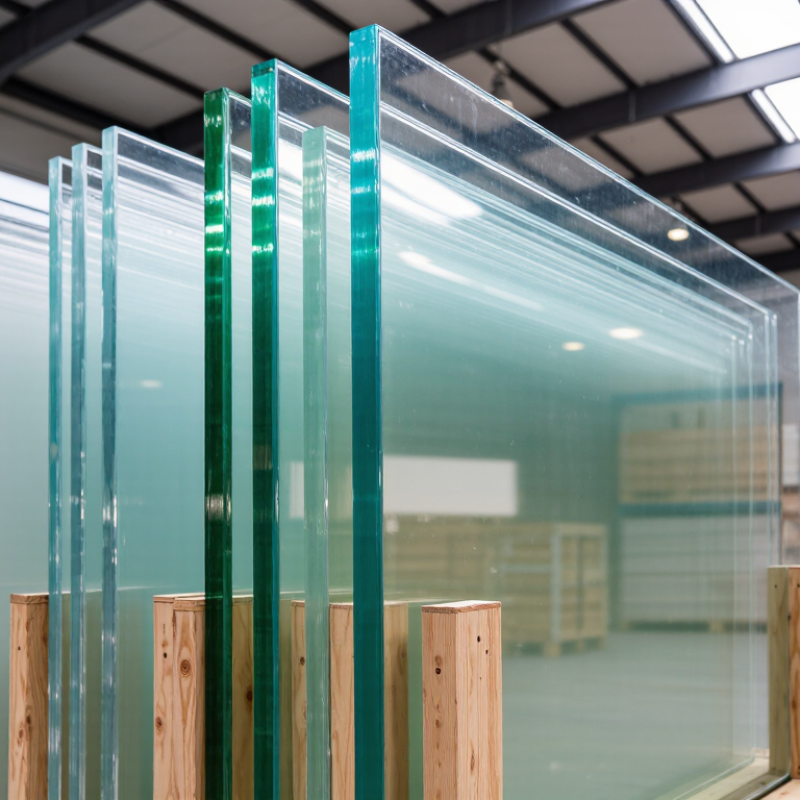
Why Choose 6mm Float Glass for Global Projects?

What Is 6mm Float Glass?

6mm float glass is a flat, transparent soda-lime glass produced by floating molten glass over a bath of molten tin. This process creates smooth, parallel surfaces with consistent optical quality. The “6mm” describes its nominal thickness, not its strength or safety rating.

At approximately 2,500 kg/m³, 6mm glass weighs about 15 kg per square metre. That figure helps engineers estimate frame loads, transport needs, and installation handling. Standards such as EN 572-2 and ASTM C1036 define requirements for basic flat glass, including thickness and quality tolerances. However, tolerances may differ between standards and production regions. That distinction matters.

6mm float glass is normally annealed, so it should not be treated as impact-resistant safety glass. Tempering, laminating, or heat-strengthening may be required for doors, façades, overhead glazing, or areas exposed to human impact. A common mistake is choosing thickness alone. I would not specify it without checking wind pressure, span, edge support, thermal stress, and local building rules. The International Energy Agency identifies buildings as a major global energy-use sector, while the 2023 Global Status Report for Buildings and Construction reports that buildings and construction represented about 34% of global energy demand and 37% of energy-related and process emissions in 2022. Therefore, glazing selection should also consider solar control and thermal performance, not only visible clarity.

How Is 6mm Float Glass Manufactured?

Why Choose 6mm Float Glass for Global Projects?

How Is 6mm Float Glass Manufactured?

Manufacturing 6mm float glass begins with carefully measured silica sand, soda ash, limestone, and recycled cullet. These materials are blended to support consistent melting and optical clarity. The mixture enters a furnace operating near 1,500°C. Heat transforms the batch into a uniform liquid.

The molten glass then flows continuously onto a bath of liquid tin. Because glass is lighter than tin, it spreads across the surface and forms a smooth ribbon. Rollers and temperature controls help maintain the target 6mm thickness. The ribbon moves through an annealing lehr, where controlled cooling relieves internal stress. After cooling, technicians inspect both surfaces under strong lighting. They check thickness, edges, bubbles, scratches, and optical distortion before cutting sheets for transport.

Tips: Ask for measured thickness data, surface inspection records, and suitable packing details before approving a shipment. In practical projects, small edge damage can create installation delays. A clean surface is not the whole story. Even careful production may show minor visual waviness, especially in large panels. This point deserves honest discussion with fabricators and installers. Proper handling, vertical storage, and dry protection also help preserve the glass during long-distance delivery.

What Advantages Does 6mm Float Glass Offer?

For global construction, 6mm float glass offers a practical balance between strength, clarity, and handling. Its thickness provides useful rigidity for windows, partitions, doors, and façade components. A 1.2-by-2.4-meter sheet remains manageable during workshop processing and site installation. The smooth surface also supports consistent daylight transmission and clean visual lines.

Its main advantage is processing flexibility. Fabricators can cut, edge, drill, temper, or laminate the glass for different project requirements. Tempering improves resistance to thermal stress and impact, while lamination helps retain fragments after breakage. In humid coastal locations, the glass performs better with correctly designed seals, drainage paths, and compatible frames. Glass alone does not solve moisture problems. It needs protection.

6mm float glass can also simplify international procurement. It is a widely used thickness, so suppliers in many regions may offer more stable availability and familiar processing methods. That can reduce replacement delays. Still, thickness should never be selected from a catalog alone. Engineers need to review wind loads, panel size, support conditions, thermal exposure, and safety requirements. I would not specify it from thickness alone. Test reports and production tolerances deserve attention, especially when several factories are involved. A lower initial price can hide higher cutting losses, transport damage, or unsuitable performance.

Why Choose 6mm Float Glass for Global Projects?

Area Weight by Float Glass Thickness

At 6mm, float glass weighs approximately 15kg per square metre, based on the standard glass density of about 2,500kg/m³. This provides a practical balance between handling weight, daylight transmission, rigidity, and durability for windows, façades, partitions, and other global building applications. The values shown are calculated from thickness × glass density.

Where Is 6mm Float Glass Used in Global Projects?

Why Choose 6mm Float Glass for Global Projects?

Where Is 6mm Float Glass Used in Global Projects?

6mm float glass appears in commercial façades, office partitions, shopfronts, interior doors, and residential windows. Its balanced thickness supports clear views while allowing cutting, edging, tempering, or lamination. On many projects, it becomes one layer of a larger glazing system. That distinction matters.

In warm regions, designers often use 6mm glass in solar-control or insulated units for façades and windows. In colder climates, it commonly forms part of double-glazed assemblies. The U.S. Department of Energy reports that windows can cause 25–30% of household heating and cooling energy use. Therefore, the full system matters more than thickness alone. Six millimetres is not an energy-saving guarantee.

It is also used for partitions, shower enclosures, furniture panels, and low-rise entrance doors. For safety-critical locations, processors may temper or laminate the glass after cutting. Project teams must check wind loads, human-impact risks, thermal stress, and local building codes. The 2023 Global Status Report for Buildings and Construction states that buildings consumed about 30% of global final energy in 2022. Glass selection therefore affects more than appearance. Sometimes, specifications choose 6mm for convenience, not performance. That deserves a second review.

How Should 6mm Float Glass Be Selected and Handled?

Selecting and handling 6mm float glass requires more than checking price and availability. Its mass is approximately 15 kg per square metre, based on standard glass density. A 2.4 × 3.2 metre sheet can therefore weigh about 115 kg. Plan lifting equipment, access routes, storage frames, and labour before delivery.

Check wind pressure, panel size, edge support, thermal stress, and local building requirements. The International Energy Agency’s 2023 Global Status Report for Buildings and Construction states that buildings consume about 30% of global final energy. Glass selection affects daylight, heat gain, and cooling demand, but 6mm float glass alone may not provide adequate thermal performance. Low-emissivity coatings, laminated construction, or insulated glazing may be more suitable. The wrong specification remains expensive.

Handle each sheet vertically on a stable, slightly inclined rack. Keep surfaces dry, use clean separators, and prevent contact with concrete, metal particles, or trapped moisture. Workers should inspect edges for chips before installation. Suction lifters need clean, dry contact points. According to international glass safety guidance, heat-treated or laminated glass may be required where human impact is possible. Yet project teams sometimes treat 6mm glass as universally safe. It is not. Small deviations in support, storage, or cutting can become visible cracks months later. The International Energy Agency’s data supports better envelope design, but practical site discipline still decides whether the glass performs as intended.

FAQS

How is 6mm float glass manufactured?

Silica sand, soda ash, limestone, and recycled glass are carefully mixed. The batch melts near 1,500°C. Molten glass flows across liquid tin, forming a smooth ribbon. Controlled cooling reduces internal stress. Technicians then inspect thickness, edges, bubbles, scratches, and distortion.

Why is liquid tin used during production?

Glass spreads evenly across liquid tin because it is lighter. This creates smooth, flat surfaces. Temperature controls and rollers help maintain the target thickness. The process is consistent, but slight waviness can still appear in large panels.

Where is 6mm float glass commonly used?

It is used in façades, office partitions, shopfronts, interior doors, furniture panels, and residential windows. It can also become one layer in insulated, laminated, or tempered glazing. Thickness alone does not define the whole system.

Is 6mm float glass suitable for energy-efficient windows?

Not always. Energy performance depends on coatings, air spaces, framing, orientation, and climate. Low-emissivity coatings or insulated units may perform better. Six millimetres is not an energy-saving guarantee.

When should 6mm float glass be tempered or laminated?

Safety processing may be needed near people, doors, shower areas, or impact-prone locations. The decision depends on panel size, support, wind pressure, thermal stress, and local requirements. Standard glass is not universally safe. That assumption is risky.

How heavy is a 6mm glass sheet?

Its mass is approximately 15 kilograms per square metre. A 2.4 by 3.2 metre sheet may weigh about 115 kilograms. Plan lifting equipment and clear access routes before delivery. Manual handling may become unsafe quickly.

How should 6mm float glass be stored?

Store sheets vertically on a stable, slightly inclined rack. Keep them dry and use clean separators. Prevent contact with concrete, metal particles, and trapped moisture. Small chips matter. Inspect every edge before installation.

What should buyers check before approving a shipment?

Request measured thickness data, surface inspection records, and packing details. Check for scratches, bubbles, edge damage, and optical distortion. Confirm transport protection and delivery access. A clean surface is not the whole story. Minor damage can still delay installation.

Conclusion

6mm Float Glass is a clear, flat glass product with a uniform 6-millimeter thickness, manufactured through the float process, in which molten glass is formed smoothly over a bath of molten metal. This method creates an even surface, consistent optical quality, and reliable dimensions, making the glass suitable for further processing such as cutting, tempering, laminating, and coating. Its balance of light transmission, strength, appearance, and cost makes it a practical material for many construction and design requirements.

In global projects, 6mm Float Glass is commonly used for windows, doors, façades, partitions, interior screens, furniture panels, and selected commercial or residential glazing applications. Proper selection should consider size, clarity, edge quality, processing needs, safety requirements, climate, transportation conditions, and applicable local standards. During handling, the glass should be stored upright with suitable protection, kept dry and clean, and moved with appropriate equipment to reduce the risk of scratches, impact, or breakage.


Mason

Mason

Mason is a seasoned marketing professional with a deep expertise in the company's offerings and a passion for driving brand awareness. With a strong background in digital marketing strategies, he has an innate ability to connect with diverse audiences and effectively communicate product benefits.......