In the realm of modern design, the use of 3D Glass Sheets has become a popular choice for creating stunning visuals. Their unique properties allow for innovative applications in architecture and interior design. However, working with 3D Glass Sheets requires both skill and understanding to achieve the best results. Designers must not only focus on aesthetics but also consider durability and functionality.
When considering the incorporation of 3D Glass Sheets, attention to detail is crucial. Each sheet can vary, and this variability can affect the outcome of a project. Mistakes may occur if the wrong thickness or type is chosen. Selecting the ideal glass requires a keen eye and thorough research.
Moreover, maintenance is an often overlooked aspect. While 3D Glass Sheets can be remarkably strong, they can also show wear over time. Regular care can prolong their life, but neglect can lead to costly repairs. Balancing beauty and practicality with 3D Glass Sheets demands thoughtful planning and reflection.
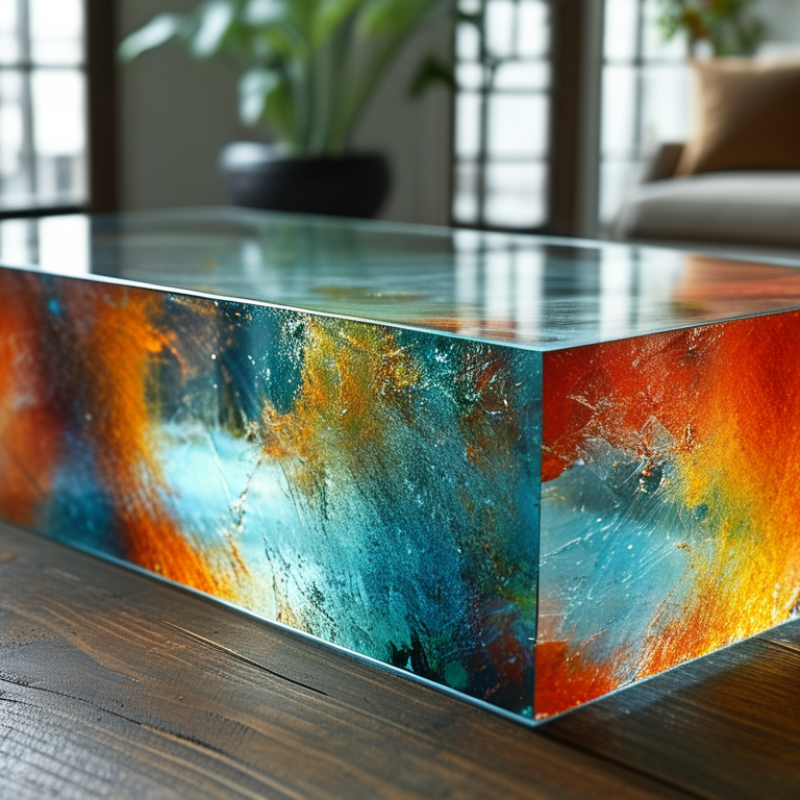
Understanding 3D Glass Sheets: Definition and Applications
3D glass sheets are gaining traction due to their unique aesthetic appeal and functional properties. These sheets are often made from tempered glass and manufactured using advanced technology. Research indicates that the global market for 3D glass is projected to grow at a CAGR of 12.3% through 2025, driven by demand in architecture and interior design.
In terms of applications, 3D glass sheets serve various purposes. They are used in interior partitions, facades, and furniture design. The textured surfaces can reduce glare and enhance privacy. Additionally, their light refraction properties can create vibrant visual effects. However, these sheets may require special handling and installation. This could lead to increased costs and potential challenges during construction.
Understanding the properties of 3D glass is essential. Some manufacturers suggest that the thickness and treatment of the glass affect durability. Heavier sheets may need additional support. Projects can encounter unexpected issues if these conditions are overlooked. Looking ahead, balancing design innovation with practical constraints is crucial for maximizing the potential of 3D glass sheets.
3D Glass Sheet Tips for Superior Design and Durability
| Dimension (mm) |
Thickness (mm) |
Weight (kg) |
Application |
| 200 x 200 |
6 |
1.2 |
Interior Decoration |
| 300 x 300 |
8 |
2.5 |
Tabletops |
| 600 x 400 |
10 |
6.0 |
Display Cases |
| 1200 x 800 |
12 |
15.0 |
Partitions |
| 1500 x 1000 |
15 |
25.0 |
Building Facades |
Key Properties of 3D Glass for Design and Durability
When considering 3D glass in design, key properties contribute to its appeal. The material features a unique blend of aesthetics and functionality. According to recent industry reports, 3D glass sheets can achieve a bending strength of up to 250 MPa. This strength ensures durability against impact and reduces the risk of breakage in various applications.
Transparency is another vital aspect. High optical clarity is essential for architectural and design purposes. Studies show that 3D glass can maintain over 90% light transmission. This property allows natural light to illuminate spaces effectively while offering stunning visual effects. However, achieving the perfect balance between clarity and design can be challenging, as imperfections may affect both structural integrity and aesthetic appeal.
Moreover, the thermal stability of 3D glass is noteworthy. It can withstand temperature changes, which is crucial in high-performance environments. Reports indicate that quality 3D glass can endure temperatures ranging from -40 to 200 degrees Celsius. Nevertheless, designers must consider potential thermal stress. Improper handling during installation might lead to defects. Thus, attention to detail is essential for maximizing the benefits of 3D glass in modern design.
Techniques for Properly Fabricating 3D Glass Sheets
Fabricating 3D glass sheets requires precision and attention to detail. The first step is selecting quality raw materials. High-grade glass ensures durability and clarity, essential for stunning designs. Poor quality glass can lead to bubbles and imperfections, detracting from the final product.
Next, the design phase is critical. Using advanced CAD software helps visualize the final outcome. However, it's easy to overlook the importance of structural integrity. Designs that appear visually appealing might not withstand stress. A balance between aesthetics and functionality is vital. Attention must also be paid during the cutting and shaping process. Sharp tools and the right technique prevent cracks and chips.
Lastly, proper finishing cannot be neglected. Edges must be smoothed to avoid sharpness. Although this may take extra time, it enhances safety and aesthetics. Regular quality checks throughout the process ensure consistency. Yet, even with the best practices, imperfections can still arise. Continuous learning and adjustments in technique are essential for improvement.
Best Practices for Maintaining 3D Glass Designs
Maintaining 3D glass designs requires attention to detail and effective care practices. Regular cleaning is vital. Use a soft cloth and a gentle cleanser. Avoid rough materials that can scratch the surface. For daily maintenance, a simple dusting can prevent buildup.
Consider the environment where the glass is displayed. Humidity and extreme temperatures can affect durability.
Storage and handling are equally important. Store glass sheets flat to prevent warping. When moving pieces, use appropriate protective layers. Even a small drop can cause damage. Reflect on past experiences with fragile materials; it’s easy to overlook these details. Periodic inspections are necessary. Look for any signs of wear or stress. Addressing issues early can save future headaches.
Lastly, consider sunlight exposure. Prolonged exposure can lead to fading or discoloration. Use UV-blocking films if necessary. This can help maintain the integrity of your design.
Balancing care routines and enjoying the beauty of 3D glass is key. See what methods work best for your situations. Learn from your mistakes and improve your approach. The goal is not just beauty, but longevity.
Innovative Trends in 3D Glass Usage Across Industries
The use of 3D glass has revolutionized various industries, from architecture to automotive design. This innovative material offers unique visual effects and heightened durability. It allows designers to create immersive environments, transforming ordinary spaces into extraordinary experiences. However, many creators still grapple with the challenges of working with this medium. Understanding how to manipulate light and texture in 3D glass is crucial. Mastery in this area can lead to stunning results.
In architectural design, 3D glass is gaining popularity for its ability to enhance natural lighting. Incorporating this material can increase energy efficiency and create stunning aesthetics. However, achieving the right balance between beauty and functionality remains an ongoing challenge. Designers often face unexpected issues with installation and maintenance. These hurdles encourage professionals to continuously refine their techniques and approaches. The potential for innovation remains vast.
Other industries, like furniture and consumer electronics, are also exploring 3D glass. This material provides a sleek look while ensuring impact resistance. Nevertheless, misconceptions about its durability can lead to poorly planned usages. Feedback from end-users is essential to bridge the gap between design intentions and practical applications. As with any new trend, there is both excitement and risk associated with these advances in 3D glass technology. The journey towards perfecting its application is just beginning.
3D Glass Sheet Usage Trends Across Industries
FAQS
: 3D glass blends aesthetics with functionality, achieving high bending strength for durability.
It maintains over 90% light transmission, allowing natural light to illuminate spaces beautifully.
Quality 3D glass can endure temperatures from -40 to 200 degrees Celsius without damage.
Regular cleaning with a soft cloth is vital. Avoid rough materials that cause scratches.
Always store glass sheets flat to prevent warping. Use protective layers during transport.
Prolonged exposure can cause fading and discoloration. Consider using UV-blocking films.
Regular checks for wear or stress can prevent future complications and ensure durability.
Balancing beauty with functionality poses challenges during installation and maintenance.
It’s popular in architecture and consumer electronics for its unique visual effects and durability.
They should learn from past experiences, as small oversights can lead to significant issues.
Conclusion
The article titled "3D Glass Sheet Tips for Superior Design and Durability" explores the unique attributes and versatile applications of 3D glass sheets, emphasizing their architectural and artistic potential. It begins by defining 3D glass sheets and outlining their various uses across different sectors, showcasing how they enhance aesthetics and functionality. The key properties of 3D glass, such as high durability, design flexibility, and light transmission, are discussed in detail, highlighting their significance in superior design.
Furthermore, the article provides insights into techniques for properly fabricating 3D glass sheets to maintain their integrity and performance. Best practices for the maintenance of 3D glass designs are also offered, ensuring longevity and visual appeal. Lastly, innovative trends in the use of 3D glass across industries are examined, presenting a forward-looking perspective on how this material is revolutionizing design possibilities. Overall, 3D glass sheets are positioned as a valuable resource for designers seeking to combine durability with creative expression.

 Jiaerbe Glass