As buyers around the globe seek elegance and durability, the demand for stylish "Glass Tabletops" continues to rise. According to industry expert Mark Thompson, "A well-designed glass tabletop can transform any space, offering both beauty and function." Mark has witnessed firsthand how these pieces elevate home décor, making them a favorite choice for modern interiors.
In 2026, diverse styles of glass tabletops are anticipated to captivate buyers. From minimalist designs to intricate patterns, each piece tells a distinct story. However, many consumers struggle to choose the ideal style that fits their personal taste and functional needs. The right glass tabletop can enhance a room's aesthetic, but selecting poorly can lead to mismatched decor.
Understanding the unique properties of glass is essential. It is more than just a surface; it reflects light and creates an illusion of space. While glass tabletops offer unparalleled beauty, they must also be maintained with care. This balance between elegance and responsibility is what makes the glass tabletop market rich and complex. As you explore the best styles for 2026, consider both the artistic and practical aspects of each choice.
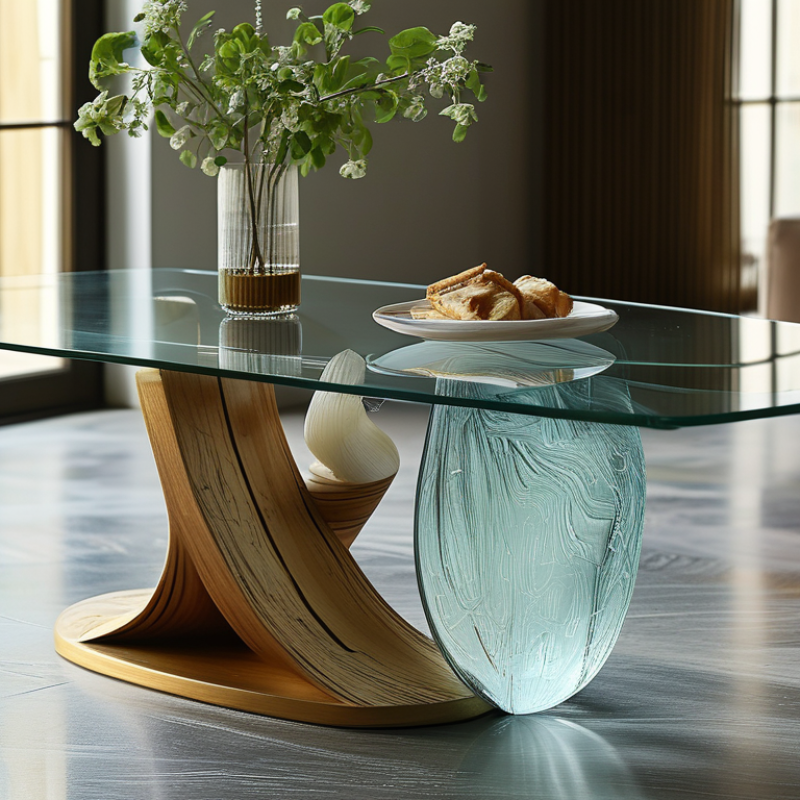
The glass tabletop market is evolving rapidly, reflecting changing consumer preferences and design trends. A recent report indicates that the global glass tabletop market is projected to reach $6.5 billion by 2026. This growth is driven by demand for versatile and aesthetically pleasing surfaces in residential and commercial settings. Designers are increasingly focused on combining utility with artistry, creating unique forms and textures.
Current trends showcase a shift towards sustainable materials and innovative finishes. Textured glass surfaces are gaining popularity. They offer a contrast to polished finishes, adding depth and character. Manufacturers are experimenting with colors and coatings, leading to options that cater to diverse tastes. For example, frosted glass is frequently chosen for its modern appeal, while tinted glass provides a warm ambiance.
Despite these advancements, challenges remain. Not all consumers understand the maintenance requirements of glass tabletops. Scratches and fingerprints can diminish the product's appeal. Further education on care and handling is essential for enhancing customer satisfaction. This highlights the need for more transparent communication between designers and buyers. Fostering awareness around these aspects can improve the overall experience in the glass tabletop market.
In 2026, the appeal of glass tabletops is stronger than ever. Buyers now prefer materials that not only elevate space but also stand the test of time. Tempered glass remains a popular choice due to its durability and safety. Its ability to withstand scratches and heat makes it ideal for various environments, from cafes to homes.
Moreover, the finishes applied to glass tabletops are evolving. Frosted and etched finishes add an artistic touch and ensure privacy. These textures have an elegant look, but they can be challenging to maintain. Frequent cleaning is necessary to keep them aesthetically pleasing. Additionally, clear glass remains a classic option, providing versatility in any space. However, fingerprints and dust can quickly mar its pristine surface.
Some buyers might overlook the importance of frame materials. Wood and metal frames can greatly influence the overall design. While wood brings warmth and a rustic feel, metal adds modernity and strength. Finding the right combination can be tricky. Choices often depend on personal style and functional needs. Balancing these factors is essential for making the best selection. In the world of glass tabletops, aesthetics and functionality go hand in hand.
| Style | Material | Finish | Color | Popularity (%) |
|---|---|---|---|---|
| Modern Minimalist | Tempered Glass | Frosted | Clear | 30% |
| Industrial Chic | Recycled Glass | Polished | Smoke | 25% |
| Classic Elegance | Annealed Glass | Etched | Ivory | 20% |
| Artistic Flair | Colored Glass | Textured | Amber | 15% |
| Eco-Friendly | Bamboo-Infused Glass | Natural Finish | Green | 10% |
The glass tabletop market has seen a surge in innovative designs suitable for diverse buyer needs. According to a recent industry report, the global glass tabletop market is projected to grow at a compound annual growth rate (CAGR) of 5.7% from 2021 to 2026. This growth reflects increasing demand for unique shapes and sizes that cater to both functionality and aesthetic appeal.
Customizable options are becoming more popular. Round, rectangular, and oval shapes provide versatility in various settings. For smaller spaces, compact sizes are ideal, allowing for efficient use without sacrificing style. Innovative thickness variations enhance durability while maintaining a sleek appearance. Notably, tempered glass has gained traction due to its enhanced safety features and resistance to scratches. However, one must consider the trade-offs. Thicker glass can be heavier, making transportation a challenge.
The rising trend of multi-functional furniture highlights the importance of adaptable designs. The versatility of glass tabletops allows for creative arrangements that meet modern needs. Yet, some buyers may struggle with maintenance issues. Fingerprints and dust can easily mar the surface, requiring regular cleaning. Balancing aesthetics with practicality is key as designs evolve to meet an expanding market. Insights from experts indicate that incorporating sustainable practices in production is essential for future growth.
Cultural influences shape glass tabletop styles globally. Different regions bring unique aesthetics to the designs. For instance, Scandinavian minimalism emphasizes simplicity and functionality. This style often uses clear glass to create airy spaces. It attracts modern consumers who value both beauty and practicality.
In contrast, the Mediterranean approach features ornate designs. Here, colored glass and intricate patterns reflect the rich cultural history. According to a recent report from the Global Glass Association, this variance in styles boosts market demand. Research indicates that 62% of buyers prefer tables that resonate with their cultural backgrounds. Such preferences are crucial for manufacturers targeting global markets.
Asia also contributes diverse influences. In Japan, for example, glass tabletops often incorporate natural materials. This blend creates harmony with surrounding environments. Notably, glass usage in traditional tea ceremonies shows deep respect for craftsmanship. However, navigating these varied preferences can be challenging for exporters. Balancing local traditions with contemporary designs remains a key concern. The effort is necessary to cater to a broad spectrum of cultural tastes.
Choosing the right glass tabletop can dramatically enhance your space.
Consider the size of your room. A large tabletop may overwhelm a small area, while a delicate piece can disappear in a vast space.
Glass thickness matters, too. Thicker glass offers durability, while thinner options provide a light, airy feel.
Think about the shape of the tabletop.
Round tables encourage conversation, while rectangular designs can fit neatly in corners.
Also, the edges of the glass should be smooth. Sharp edges can be dangerous, especially in homes with children.
Reflect on your lifestyle. If you entertain often, a resistant surface is essential.
Conversely, if your space is mainly decorative, a unique design can serve as an art piece.
The finish of the glass can also play a role.
Frosted options offer privacy, while clear glass showcases what's beneath.
Choosing a glass tabletop requires careful thought. Balancing aesthetics with functionality is key to finding the perfect piece.
: Tempered glass is highly favored for its durability and safety.
Frosted and etched finishes add artistic appeal and privacy.
Frequent cleaning is necessary to keep frosted glass looking good.
Clear glass often shows fingerprints and dust, requiring regular upkeep.
Wood frames bring warmth, while metal frames add modern strength.
The tabletop size should match the room size to avoid overwhelming or underwhelming the space.
Thicker glass offers more durability, while thinner glass looks lighter and airier.
Round tables encourage conversation, while rectangular tables fit snugly in corners.
Smooth edges are crucial; sharp edges can pose safety hazards.
Frequent entertainers need a durable surface; decorative spaces may favor unique designs.
The article "2026 Best Glass Tabletop Styles for Global Buyers" explores the latest trends in glass tabletop designs that cater to diverse global markets. It highlights the emerging styles and innovative shapes that reflect modern aesthetics, ensuring that glass tabletops not only serve a functional purpose but also enhance the visual appeal of spaces. The discussion includes popular materials and finishes expected to dominate the market in 2026, showcasing the versatility and adaptability of glass as a material.
Cultural influences play a significant role in shaping these designs, with unique styles varying across different regions. Furthermore, the article provides practical tips for selecting the perfect glass tabletop tailored to individual spaces and needs, ensuring that buyers can make informed choices that harmonize with their decor. Overall, the piece serves as a comprehensive guide for global buyers looking to invest in stylish and functional glass tabletops.

Jiaerbe Glass